

Navigating the Path to CyberPeace: Insights and Strategies
Featured #factCheck Blogs

Executive Summary
Social media users are claiming that Indian Army Chief General Dhiraj Seth dances with soldiers’ wives and attended a dance competition organised by the Border Security Force Wives Welfare Association (BWWA). CyberPeace Research found no credible sources to substantiate the viral claim. Our research revealed that the viral image is related to his visit to Nepal. According to reports, he travelled to Nepal on his first foreign visit after taking charge of the Indian Army, where he was welcomed by senior Nepal Army officials. During the visit, he was also scheduled to receive the honorary rank of General of the Nepal Army. However, his photograph is being linked to a dance video from an event organised by the Central Armed Police Forces (CAPF), accompanied by objectionable claims about him. Our research found no credible evidence confirming that General Dhiraj Seth attended the event or was associated with the activities shown in the video. Therefore, linking his photograph from the Nepal visit to the dance video is misleading.
Claim:
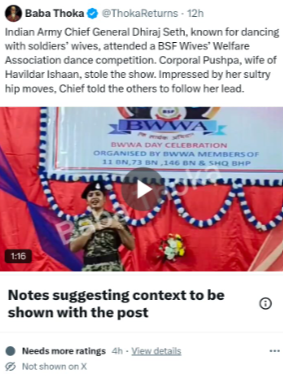
It is being claimed on social media that Indian Army Chief General Dhiraj Seth attended a dance competition organised by the BSF Wives Welfare Association (BWWA), where he was impressed by a woman’s dance performance and asked other participants to follow her lead.
https://x.com/ThokaReturns/status/2110854323760693485
Fact Check
To verify the viral claim, we conducted a reverse image search using keyframes from the video. During this process, we found the video on Instagram. The text “BSF Wives Welfare Association” was visible on the backdrop behind the stage. However, there was no mention of Army Chief General Dhiraj Seth anywhere in the video.
https://www.instagram.com/reels/Ddl7oTEgnf7/
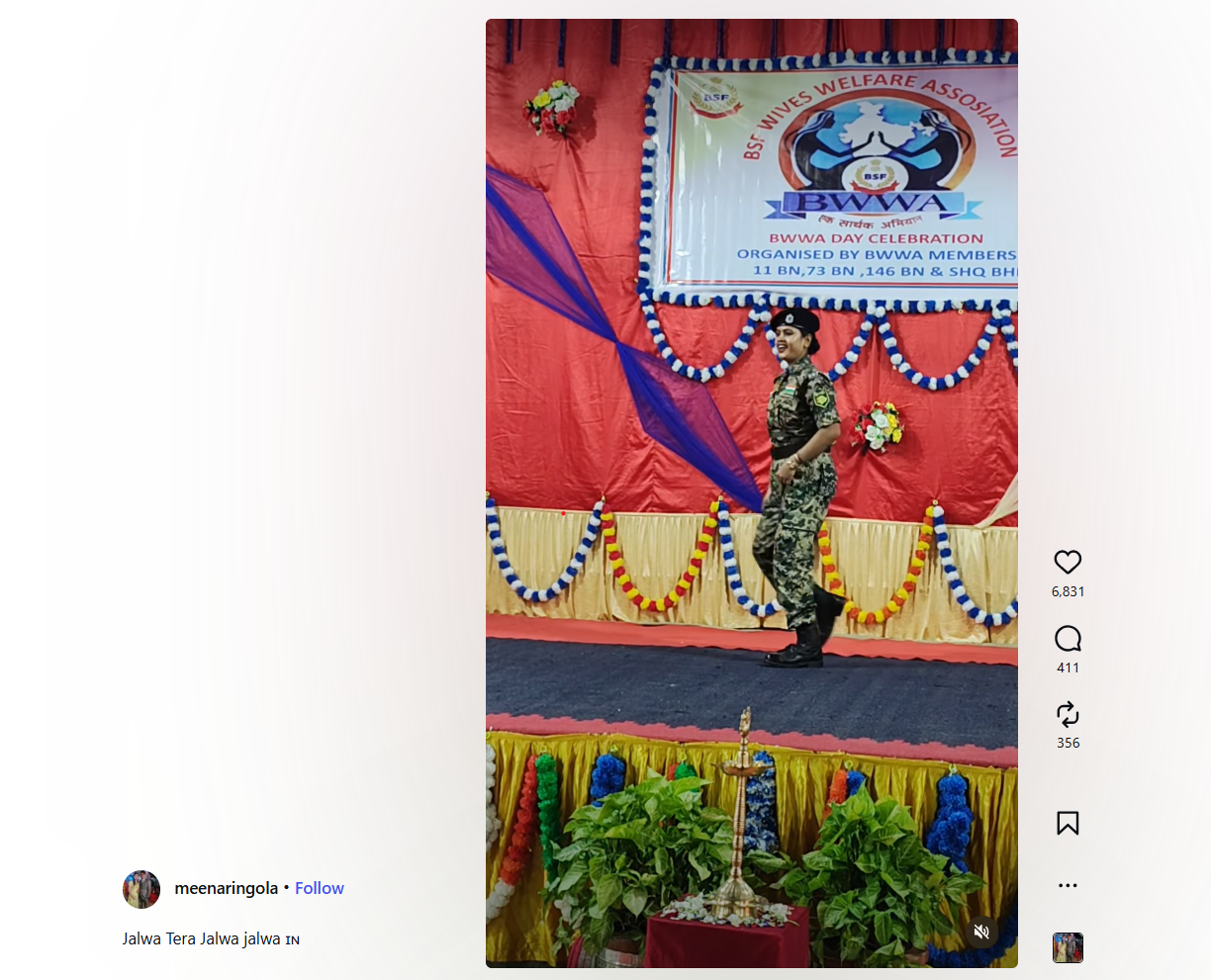
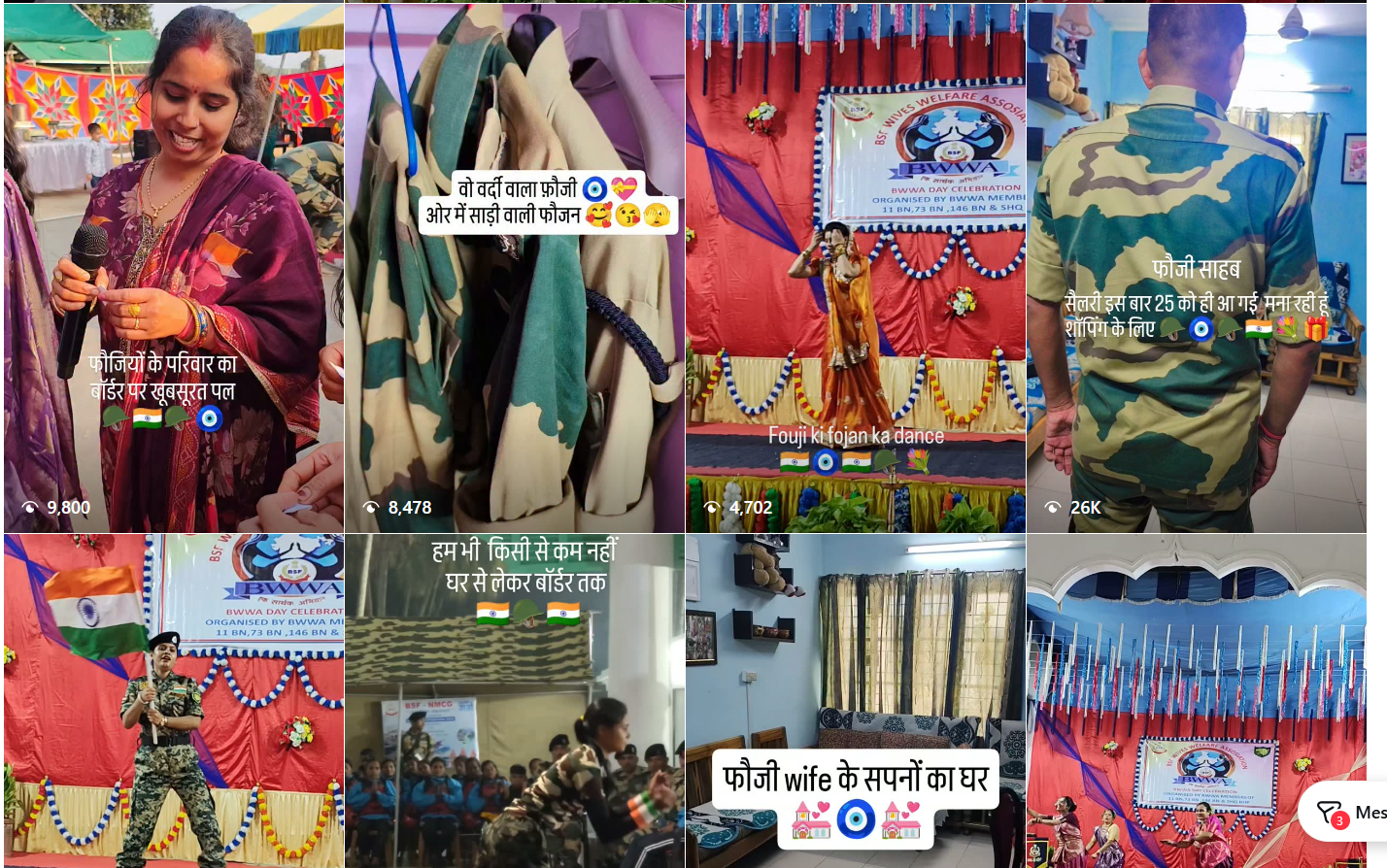
After reviewing these videos, our research found no evidence to substantiate the claim that General Dhiraj Seth attended an event organised by the BSF Wives Welfare Association or danced at the event. His photograph is being linked to the dance video, but no credible evidence supporting this claim was found.
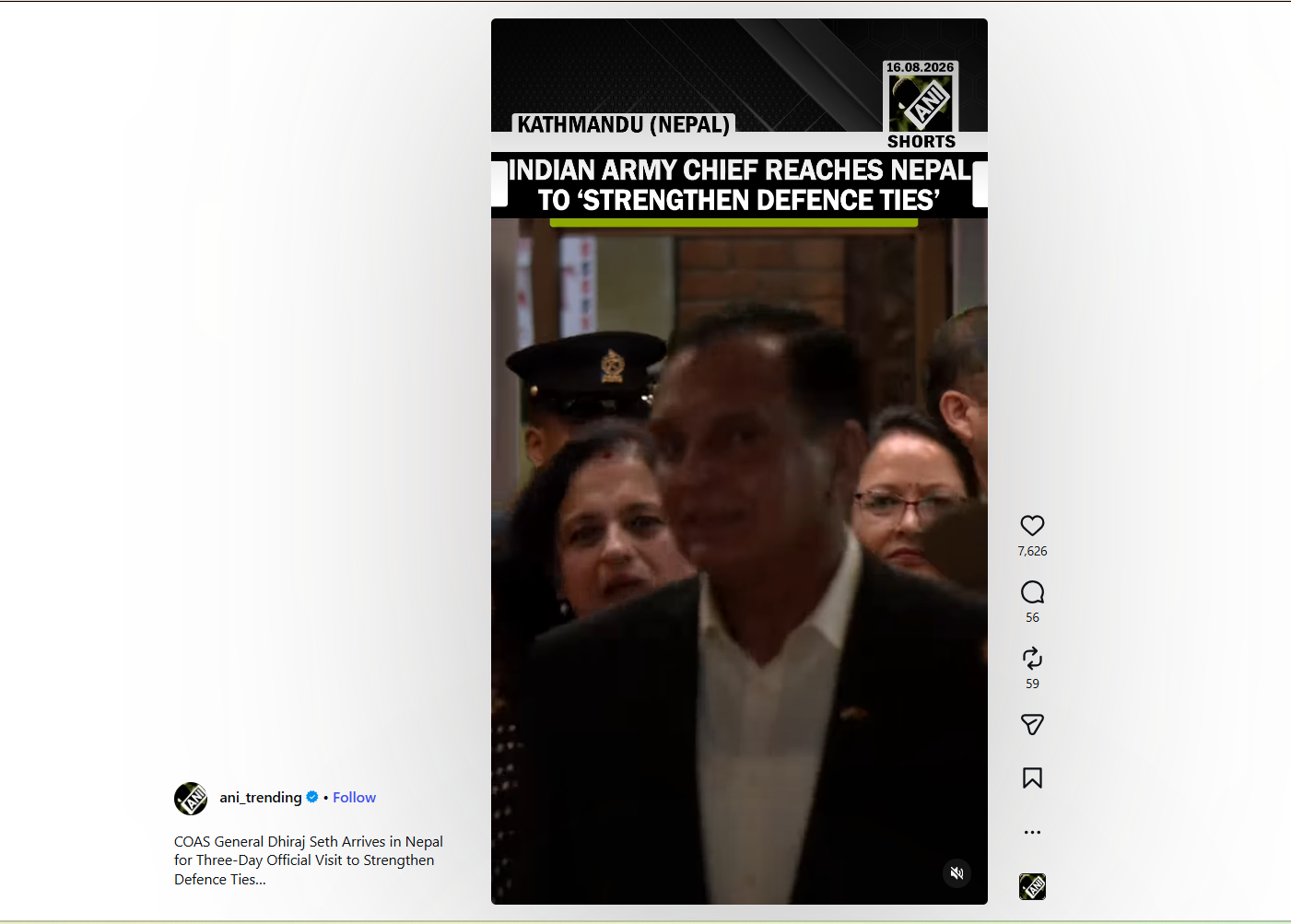
During our research, we found the original video of Army Chief General Dhiraj Seth shared by ANI. According to the report, General Dhiraj Seth arrived in Nepal on a three-day official visit aimed at strengthening defence ties between the two countries.
https://www.instagram.com/reels/DcGxzLPExR5/
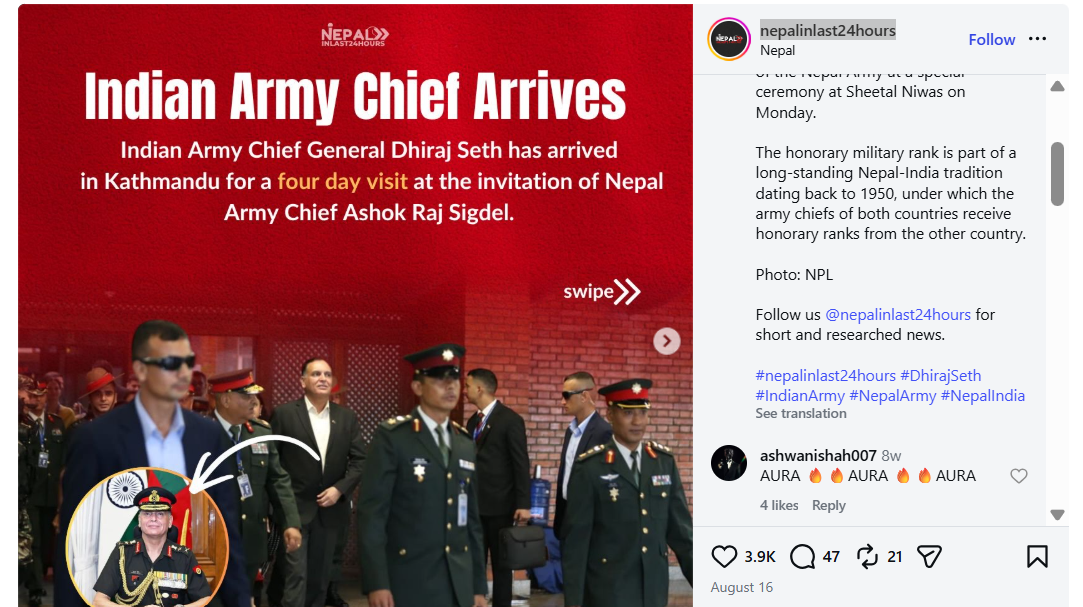
In the final stage of our research, we found a report on an Instagram account named ‘nepalinlast24hours’. According to the report, Indian Army Chief General Dhiraj Seth arrived in Kathmandu on his first foreign visit after taking command of the Indian Army on June 30, 2026. He was welcomed by senior Nepal Army officials at Tribhuvan International Airport.
The report stated that during his four-day visit, General Seth was scheduled to meet Nepal’s Prime Minister Balendra Shah and Nepal Army Chief Ashok Raj Sigdel. Additionally, he was scheduled to be conferred with the honorary rank of General of the Nepal Army at a special ceremony at Sheetal Niwas on Monday.This tradition between India and Nepal dates back to 1950. Under the arrangement, the army chiefs of both countries are conferred with honorary military ranks in each other’s armies.
https://www.instagram.com/p/DcGbgm0jUBH/?dlrf=MXFndzM5dGp4ZTh5OA%3D%3D
Conclusion
Our research found that the viral photograph of Indian Army Chief General Dhiraj Seth is related to his visit to Nepal. According to reports, he travelled to Nepal on his first foreign visit after taking command of the Indian Army, where he was welcomed by senior Nepal Army officials. During the visit, he was also scheduled to be conferred with the honorary rank of General of the Nepal Army.However, his photograph is being linked on social media to a dance video from an event organised by the Central Armed Police Forces (CAPF), accompanied by objectionable claims about him. Our research found no credible evidence confirming General Dhiraj Seth’s presence at the event or his association with the activities shown in the video. Therefore, linking his photograph from his Nepal visit to the dance video is misleading.

Executive Summary
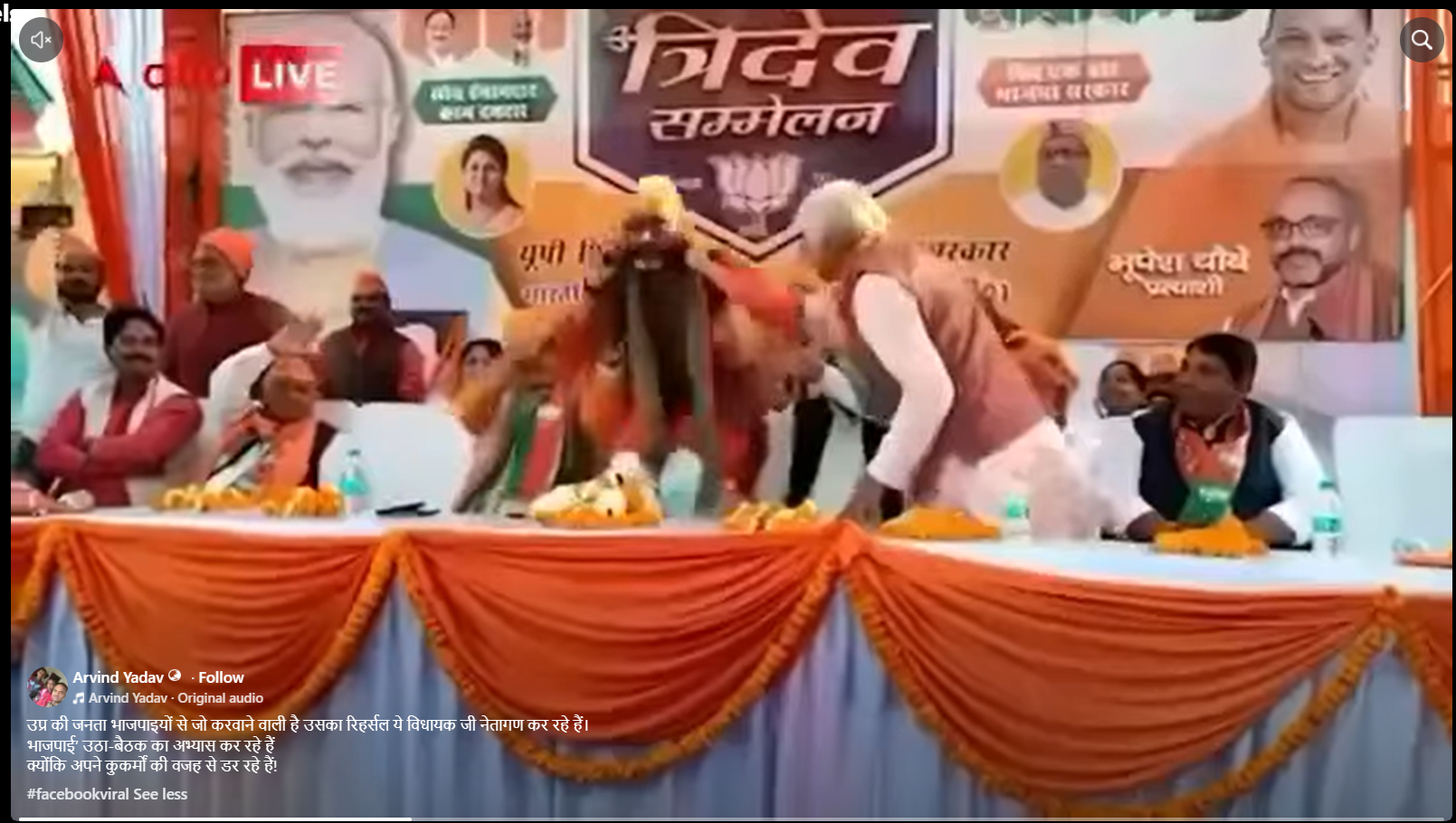
A video is being shared on social media with the claim that a Bharatiya Janata Party (BJP) leader is doing sit-ups in front of the public. Some users are sharing the video as a recent incident, claiming that a BJP MLA performed sit-ups in front of the public. CyberPeace Research found the claim to be misleading. Our research revealed that the viral video is not recent but dates back to February 2022, when Bhupesh Chaubey, the BJP MLA from the Robertsganj Assembly constituency in Sonbhadra, apologised to disgruntled party workers during a party workers' convention.
Claim:
A user on Facebook shared the viral image on October 11, 2026, with the caption: “This is the bond submitted by coward Abhijeet Dipke in court for his release, and he says he will take to the streets again.” The link to the post, its archive link, and a screenshot are provided below.
https://www.facebook.com/reel/1806020163922780
Fact Check
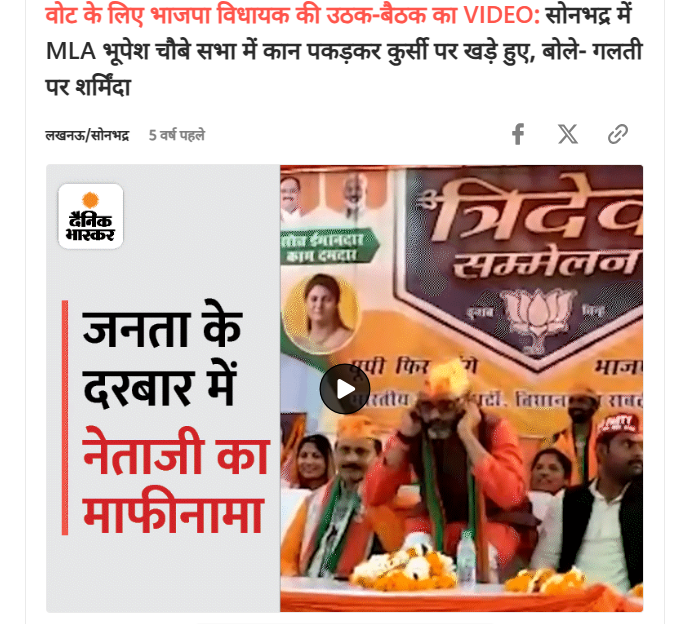
We conducted a reverse image search using keyframes from the viral video. During the search, we found a report published on the Dainik Bhaskar website on February 23, 2022, which featured the same video. According to the report, polling in Sonbhadra was scheduled for March 7 as part of the seventh phase of the Assembly elections. During the election campaign, Bhupesh Chaubey, the BJP MLA and candidate from the Robertsganj Assembly constituency, was seen adopting an unusual approach. He stood on a chair, held his ears and performed sit-ups on the chair, apologising to the public for the mistakes he had made over the previous five years.The link to the report and a screenshot are provided below.
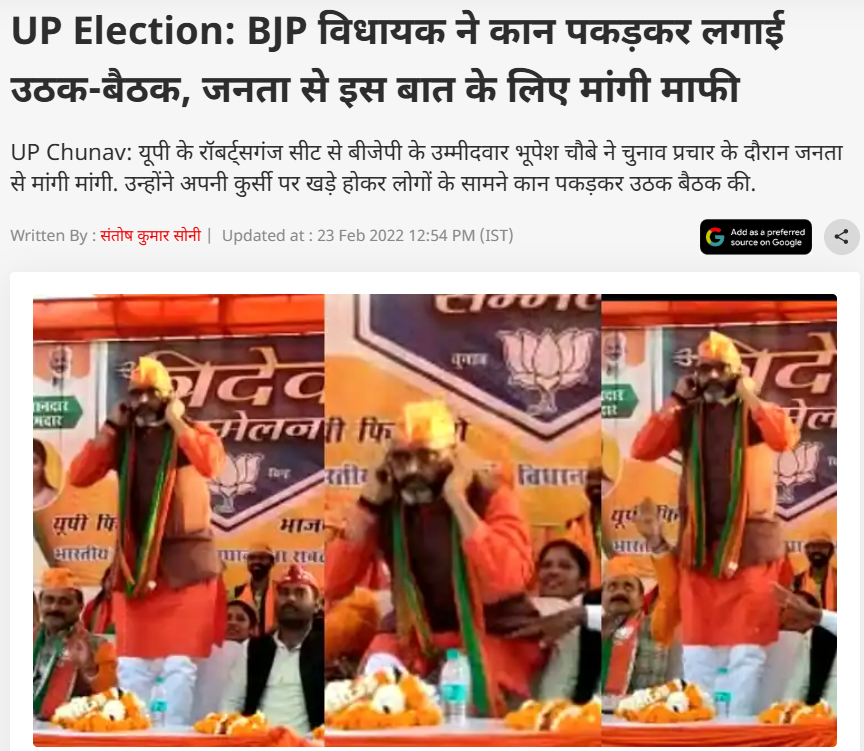
In the next stage of our research, we found a report published on ABP News’ Hindi website on February 25, 2022, which featured the viral video in a general context. We found the same video in this report as well. The link to the report and a screenshot are provided below.
Conclusion
Our research found that the viral video is not recent but dates back to February 2022, when Bhupesh Chaubey, the BJP MLA from the Robertsganj Assembly constituency in Sonbhadra, apologised to disgruntled party workers during a party workers' convention.

Executive Summary
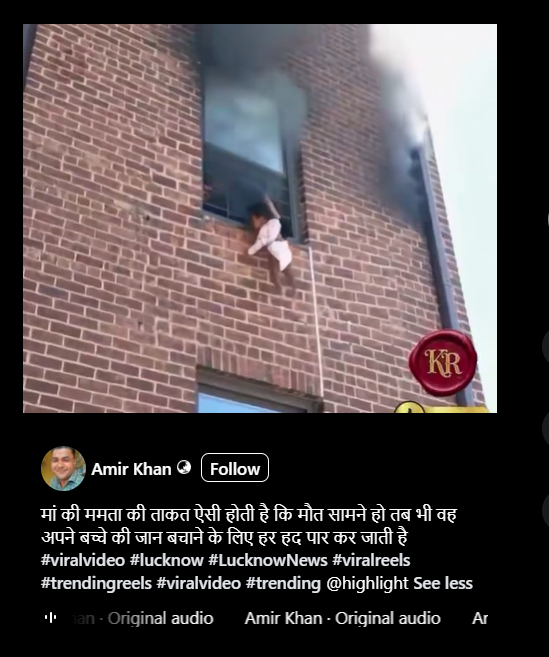
A video is being widely shared on social media after a fire incident in Aliganj, Lucknow. The approximately 15-second clip shows a building engulfed in flames, where a woman is seen hanging her small child outside a window while desperately seeking help. The video is being circulated as if it shows the recent Lucknow fire incident. CyberPeace Research Wing research found the claim to be misleading. The viral video is not related to the Lucknow fire incident. In fact, the clip is around 16 years old and originates from a completely different incident in the United States. It is being falsely shared on social media with a misleading context.
Claim:
A Facebook user shared the viral video on June 22, 2026, claiming: “A mother’s love is so powerful that even in front of death, she goes to any extent to save her child.” The post link, archived link, and screenshots are provided below.
https://www.facebook.com/reel/1168968548755052
Factcheck
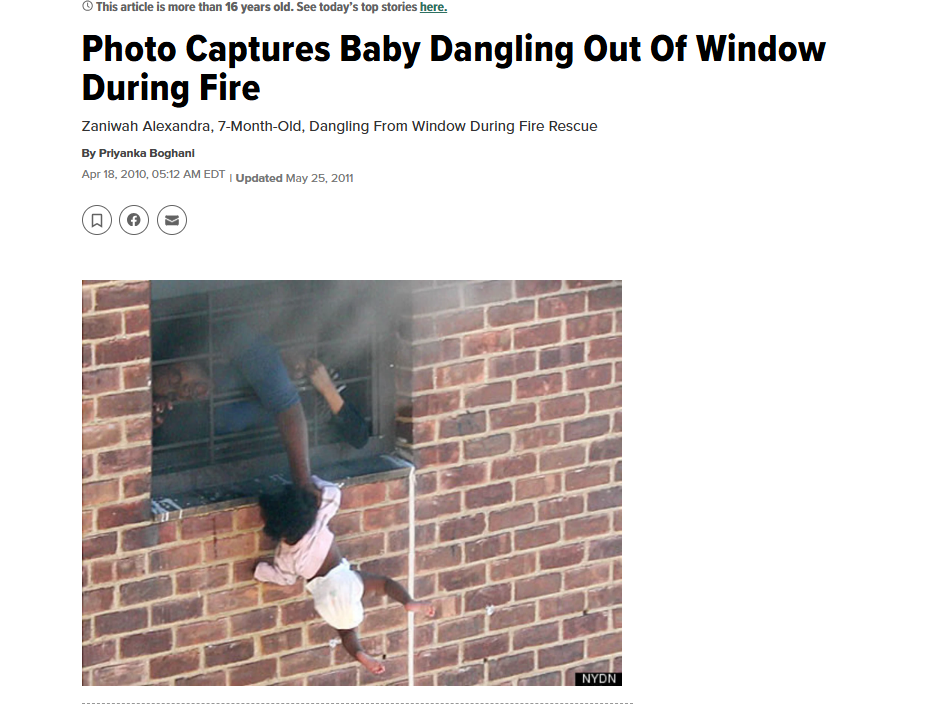
To verify the claim, we conducted a reverse image search of the video keyframes using Google Lens. During the research, we found the same visuals published in a HuffPost report dated 2010. According to the report, the incident shows a fire in an apartment in the Bronx, New York, USA. https://www.huffpost.com/entry/photo-captures-baby-dangl_n_463780
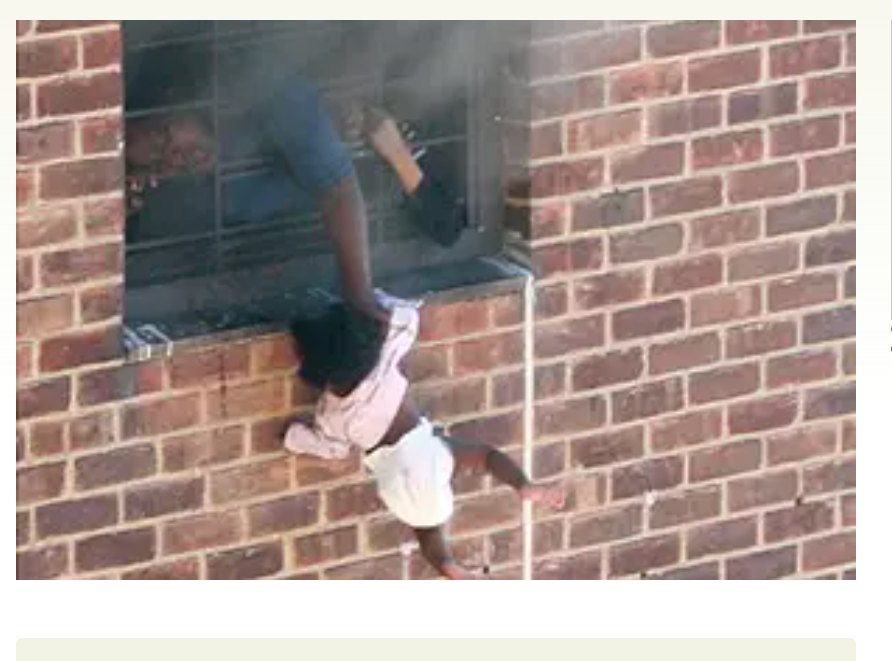
Further research led us to another report published by Gothamist in 2010, which also confirmed that the footage is related to a fire incident in the Bronx apartment building in New York. https://gothamist.com/news/baby-held-out-window-in-bronx-fire-is-healthy-adorable
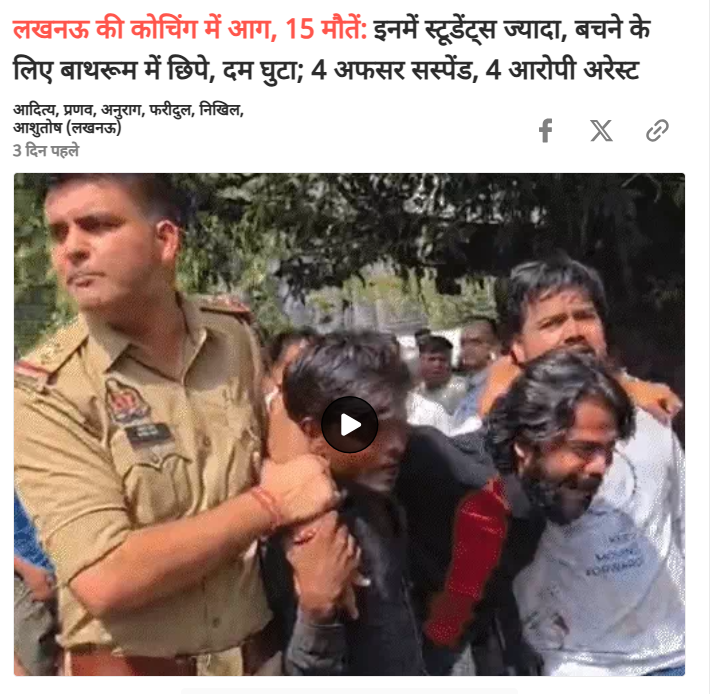
According to a report by Dainik Bhaskar, a fire incident at a coaching center in Aliganj, Lucknow resulted in the death of around 15 people. The government suspended four officials and police arrested four accused in connection with the incident. However, it was confirmed that the actual footage from the Lucknow coaching center fire is different from the viral video and has no relation to it. https://www.bhaskar.com/local/uttar-pradesh/lucknow/news/lucknow-coaching-center-fire-children-rescue-effort-138258629.html
Conclusion:
Our research confirms that the viral video is not related to the Lucknow fire incident. The footage is actually from a 16-year-old fire incident in the Bronx, New York, USA, and is being falsely shared with a misleading context on social media.

Executive Summary
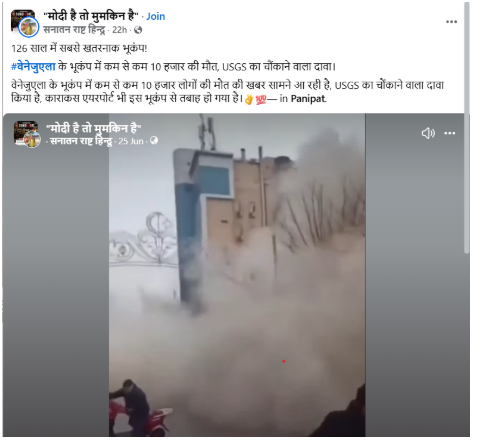
A video is being widely shared on social media, claiming it shows a terrifying scene from a recent earthquake in Venezuela. The 9-second clip shows a multi-storey building collapsing like a house of cards, while people nearby are seen running in panic as chaos unfolds. The video is being widely circulated by users as evidence of massive destruction caused by the alleged earthquake in Venezuela. CyberPeace Research Wing research found the claim to be misleading. The viral video has no connection to any recent earthquake in Venezuela. In fact, the footage is from a completely different event that took place nearly three years ago in Turkey. It is being falsely shared with a wrong context on social media.
Claim:
A Facebook user shared the viral video with the caption: “The most dangerous earthquake in 126 years! At least 10,000 deaths in Venezuela earthquake, shocking claim by USGS. Reports say massive destruction has occurred, Caracas airport has also been destroyed. Statement by Yogi Adityanath after Bharat Tiwari’s encounter.” The post link, archived link, and screenshots are provided below.
https://www.facebook.com/groups/2438255879794217/posts/4830038697282578/
FactCheck
To verify the claim, we performed a reverse image search of the video keyframes using Google Lens. During the search, we found the same video on WION’s Facebook page, where it was published on February 6, 2023. The original post link and screenshots are provided below. https://www.facebook.com/watch/?v=917786002738401
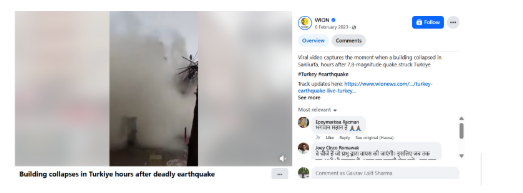
The original caption of the video clearly states that it shows a building collapse in Sanliurfa, Turkey, occurring hours after the 7.8-magnitude earthquake that struck the country. Based on clues from the Facebook post, we further searched using relevant keywords and found a report published by The Guardian on February 6, 2023, which also included the viral footage. https://www.theguardian.com/world/video/2023/feb/06/building-collapses-earthquake-aftershock-turkey-video

The report confirms that the video is from the aftermath of the devastating 2023 Turkey earthquake in Sanliurfa, not Venezuela.
Conclusion:
Our research confirms that the viral video has no connection to any recent earthquake in Venezuela. The footage is actually from the 2023 Turkey earthquake and is being falsely shared with a misleading context on social media.

Executive Summary
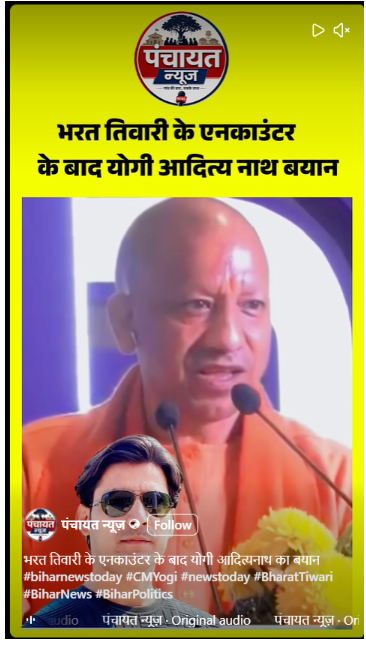
A video of Uttar Pradesh Chief Minister Yogi Adityanath is being widely circulated on social media with the claim that he supported the Bihar police and justified the encounter of Bharat Bhushan Tiwari in Bhojpur district’s Bilouti village on June 17, 2026. CyberPeace Research Wing research found the claim to be misleading. The viral video is not related to the Bihar encounter case. It is an old video from February 2026, in which the Chief Minister was speaking in the context of law and order and police action in Uttar Pradesh.
Claim:
A Facebook user shared the video claiming it shows CM Yogi Adityanath’s reaction supporting the Bihar encounter of Bharat Tiwari. https://www.facebook.com/reel/1712174420025092 ,https://archive.ph/wip/yUsou
Fact Check:
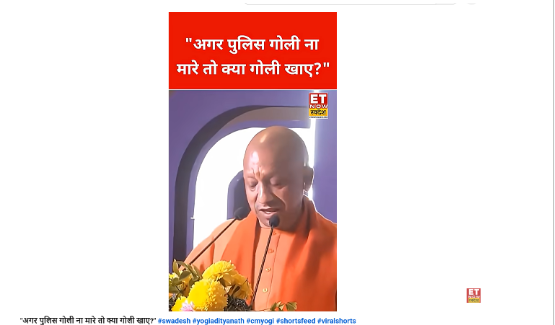
A keyword search led to the same video being found on the ‘ET Now Swadesh’ YouTube channel in the form of a short video, uploaded on February 4, 2026, indicating that it predates the Bihar incident. https://www.youtube.com/watch?v=Dj7ySFsnkqk
Further verification led to a Dainik Jagran report published on February 3, 2026, which carried visuals from the same statement. The report confirmed that the remarks were made in the context of Uttar Pradesh’s law and order situation and police response. https://www.jagran.com/uttar-pradesh/lucknow-city-cm-yogi-on-up-crime-zero-tolerance-and-police-action-justified-40129630.html
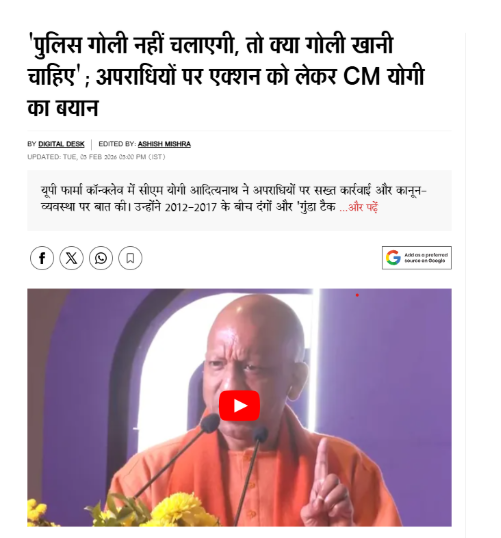
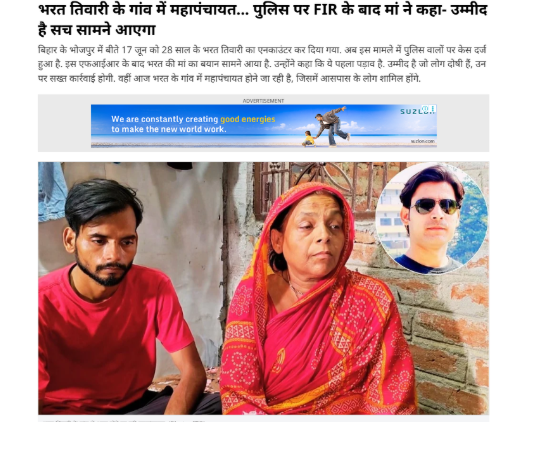
The report quoted CM Yogi Adityanath saying that if police do not act, criminals would dominate the situation, and that police are empowered to respond in the language criminals understand. He also emphasized that police training is designed to ensure effective response to crime. An Aaj Tak report on the Bihar encounter case stated that 28-year-old Bharat Tiwari was killed in an encounter on June 17, 2026, in Bhojpur district. Following the incident, an FIR was registered against police personnel, and the victim’s mother demanded strict action and justice.
Conclusion:
The research confirms that the viral video of CM Yogi Adityanath is old and unrelated to the Bihar encounter case. It is from February 2026 and pertains to a law-and-order statement in Uttar Pradesh. The video is being falsely shared by linking it to the Bihar encounter incident.

Executive Summary
A video showing unusually large hailstones falling from the sky and damaging parked vehicles is being widely circulated on social media. Users are claiming that the video shows a severe hailstorm in Maharashtra amid the ongoing heatwave conditions in several parts of the country. CyberPeace Research Wing research found the claim to be false. The viral clip is not a real weather event and has been identified as AI-generated content.
Claim:
Social media users shared the video claiming it shows heavy hailstorm in Maharashtra, with captions suggesting widespread damage caused by extreme weather. https://www.facebook.com/reel/1741412617041722, https://archive.is/W2QxM

Fact Check:
A reverse image search of keyframes from the viral video did not yield any credible media reports linking the visuals to any real hailstorm in Maharashtra or elsewhere.
https://www.youtube.com/watch?v=ZRsWLRowbao
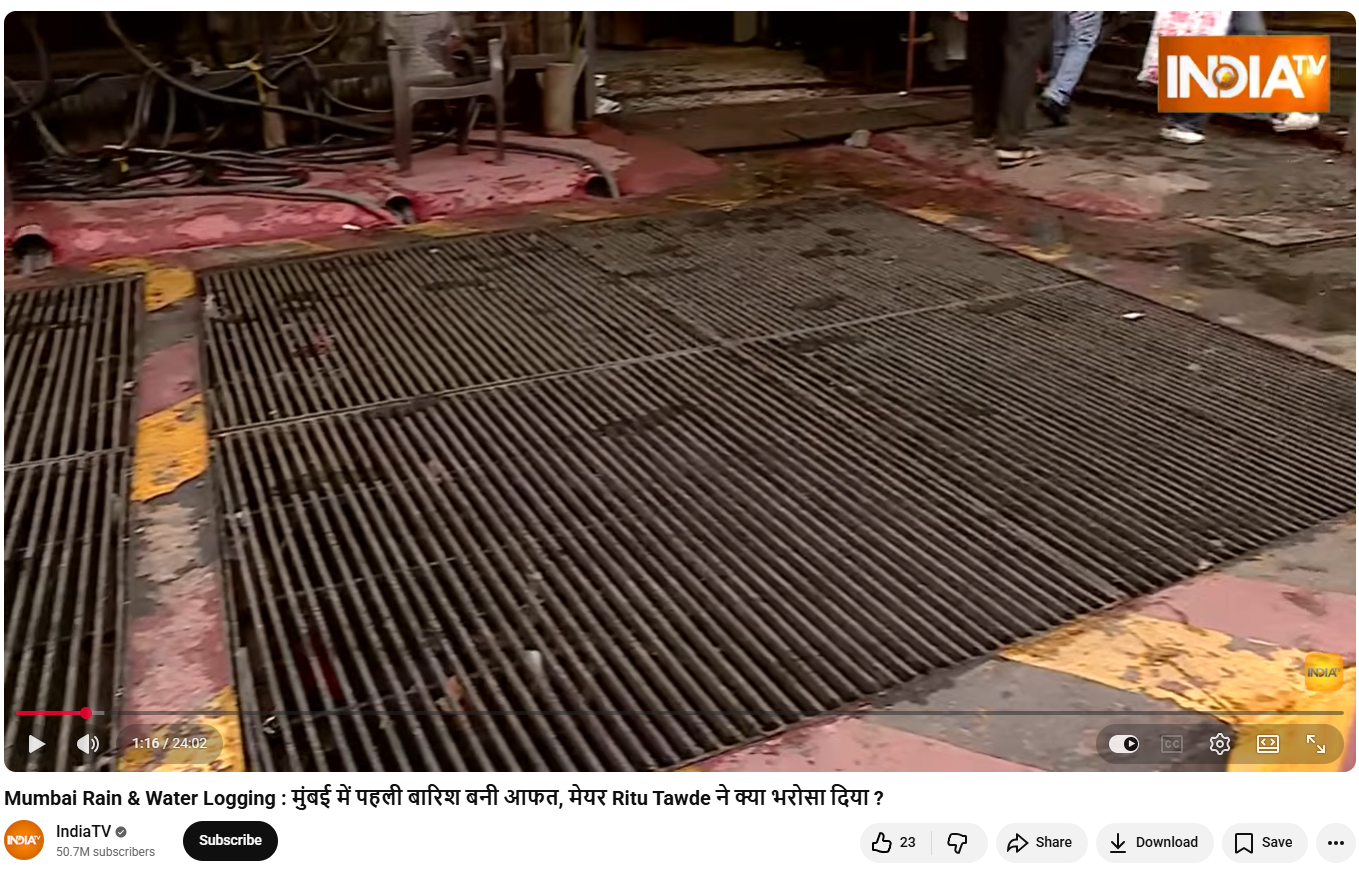
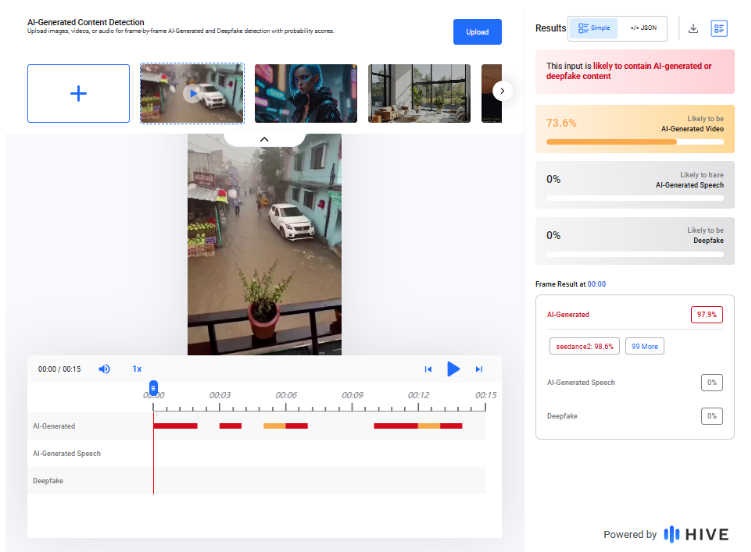
Closer examination of the video revealed multiple inconsistencies, including unnatural movement and unrealistic size and behavior of hailstones, which are commonly associated with AI-generated visuals. The video was further analysed using AI detection tools. Hive Moderation flagged the content as likely AI-generated.
Similarly, Sightengine analysis indicated a 99% probability that the visuals were artificially created.

Conclusion:
The research confirms that the viral video claiming to show a massive hailstorm in Maharashtra is not real. The visuals are AI-generated and do not depict any actual weather event.

Executive Summary
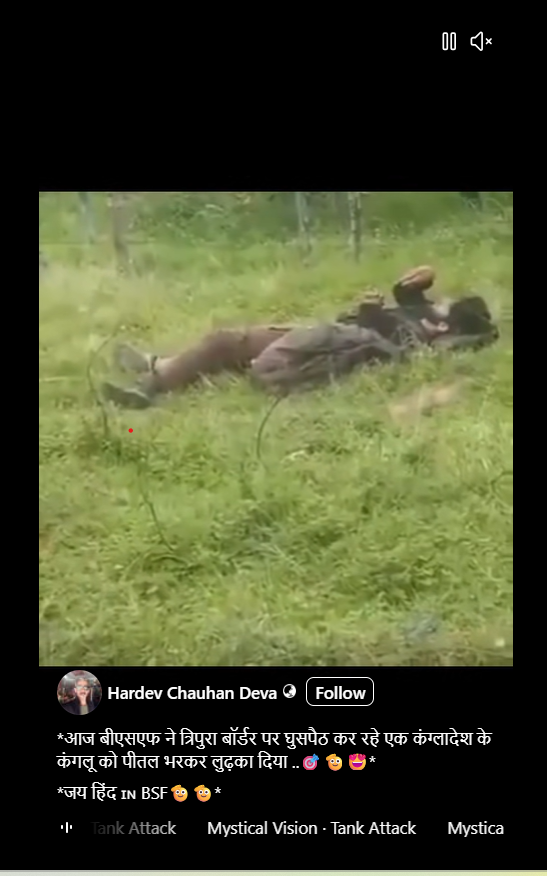
A video showing a body lying on the ground is being widely circulated on social media with the claim that it shows a Bangladeshi infiltrator who was killed by the Border Security Force (BSF) during an infiltration attempt along the Tripura border. CyberPeace Research Wing research found the claim to be misleading. While reports confirm that in June 2026 a Bangladeshi national was killed in BSF firing in Tripura’s Unakoti district, the viral video is unrelated to that incident.
Claim:
A Facebook reel shared the video claiming that BSF recently shot dead a Bangladeshi infiltrator at the Tripura border, and that the visuals depict the same incident. Link: https://www.facebook.com/reel/1561542888951793
Fact Check:
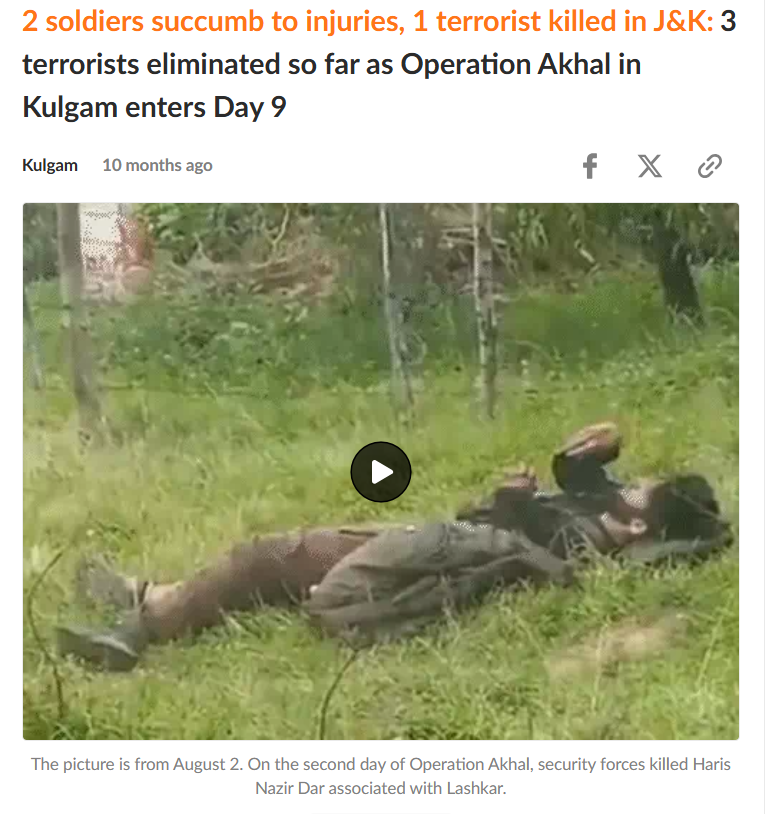
A reverse image search of keyframes from the viral video led to reports published by Bhaskar English, which carried the same visuals. The reports identified the deceased as Haris Nazir Dar, a Lashkar-e-Taiba terrorist, who was killed during Operation Akhal on 2 August 2025 in Jammu and Kashmir. https://www.bhaskarenglish.in/national/news/2-soldiers-martyred-in-jks-kulgam-3-terrorists-killed-135638183.html
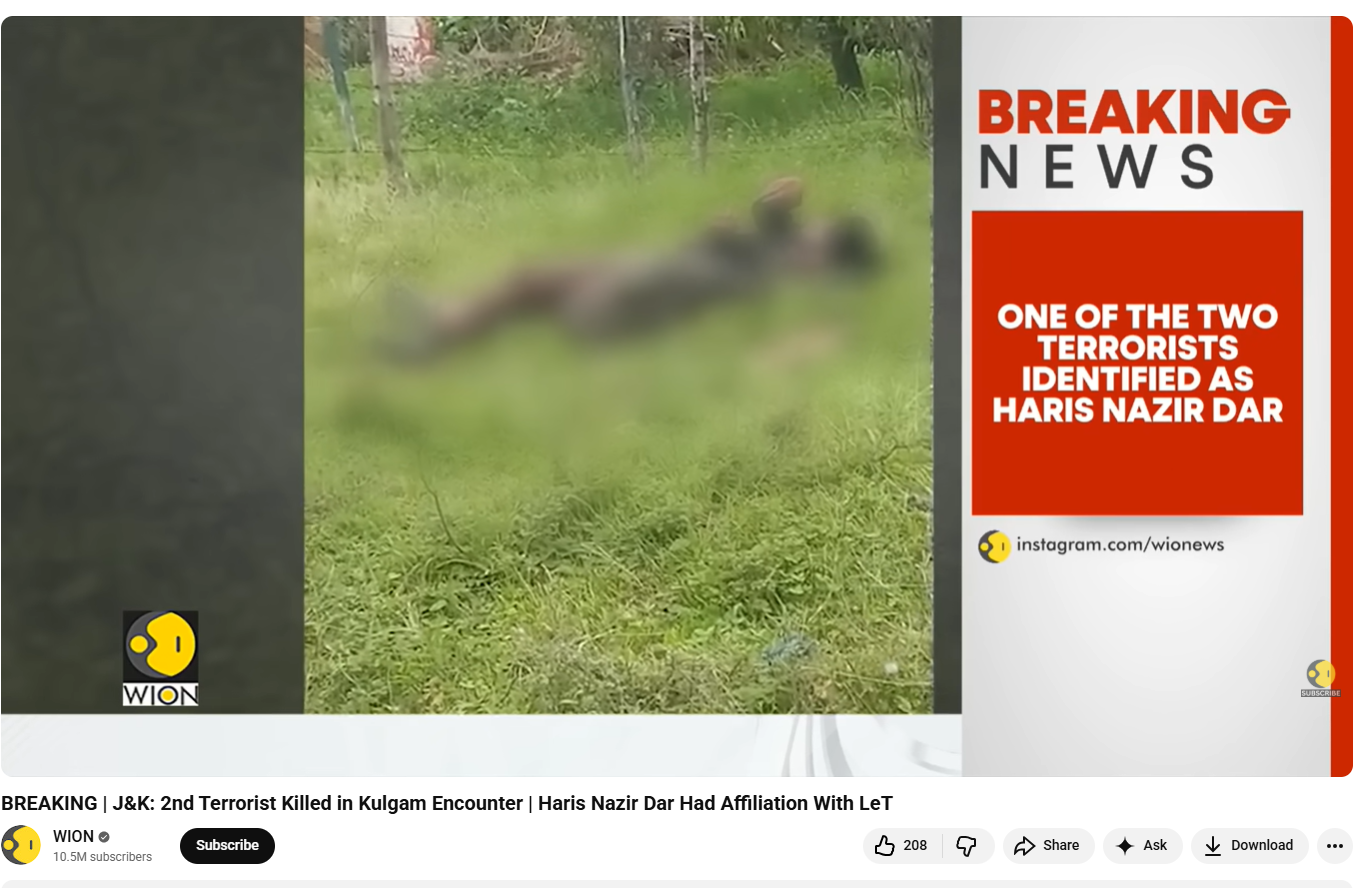
Further verification also found similar coverage on WION, confirming the same context of the incident. https://www.youtube.com/watch?v=Uhk-7QjPKK8
Operation Akhal was a major joint counter-terrorism operation conducted in August 2025 in the Akhal forests of Kulgam district, South Kashmir, by the Indian Army’s Chinar Corps, Jammu and Kashmir Police, and the Special Operations Group (SOG). https://newsonair.gov.in/kulgam-encounter-joint-operation-continues-in-akhal-forests-three-terrorists-killed/
Conclusion:
The research confirms that the viral video claiming to show a Bangladeshi infiltrator killed by the BSF at the Tripura border is misleading. The footage is from an August 2025 counter-terrorism operation in Jammu and Kashmir and shows Lashkar-e-Taiba terrorist Haris Nazir Dar killed during Operation Akhal.

Executive Summary
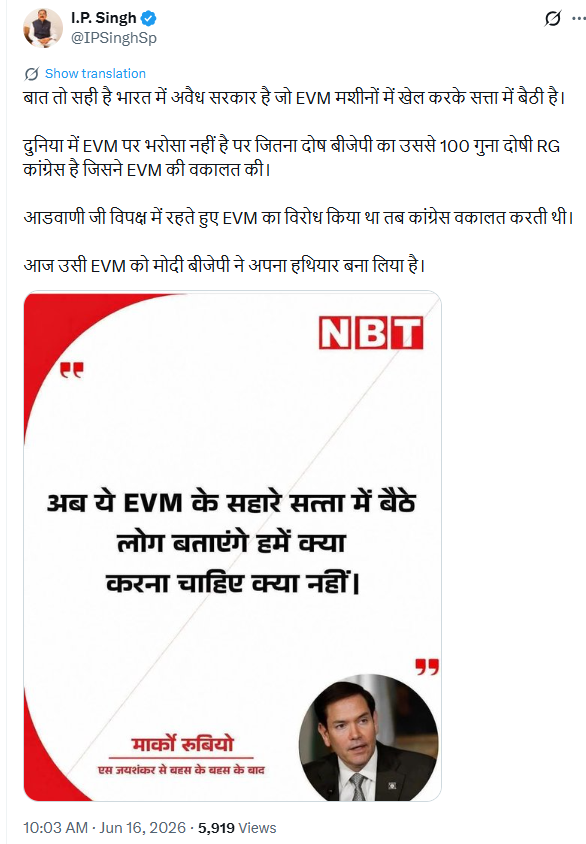
A social media post card featuring a photo of US Secretary of State Marco Rubio, carrying the logo of Navbharat Times, is being widely circulated online. The post claims that Rubio made a remark criticizing the Indian government, allegedly stating that “those in power through EVMs should tell us what to do and what not to do.” CyberPeace Research Wing research found the claim to be false. There is no evidence of Marco Rubio making any such statement, and the viral post card is fabricated.
Claim:
A post shared by SP leader IP Singh alleged that the US Secretary made comments questioning the legitimacy of the Indian government and EVM-based elections, further linking it to broader political criticism of EVMs.
Post link: https://x.com/IPSinghSp/status/2066740933396492706?s=20, https://archive.ph/submit/?url
Fact Check:
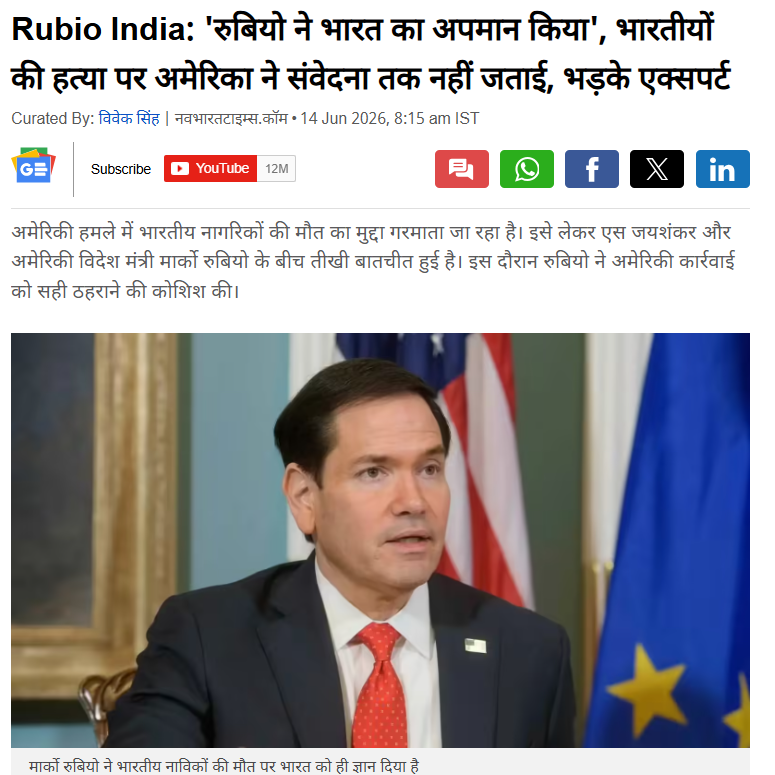
A keyword search of the alleged statement revealed no credible reports or official records of Marco Rubio making any such remark. Additionally, a review of Navbharat Times’ official social media handles did not show any such post card being published, indicating that the viral graphic is not authentic. Further examination of recent statements by Marco Rubio showed no reference to EVMs or the Indian electoral system. Instead, a Navbharat Times report dated June 14 covered a different issue related to tensions in the Hormuz Strait, where Rubio commented on the killing of Indian sailors during a maritime incident and emphasized compliance with US directives for commercial vessels. https://navbharattimes.indiatimes.com/world/america/marco-rubio-remarks-on-killing-of-indian-sailors-in-hormuz-strait-insult-of-india-says
Conclusion:
The research confirms that US Secretary of State Marco Rubio did not make any statement regarding EVMs or the Indian government. The viral post card is fake and misleading.

Executive Summary
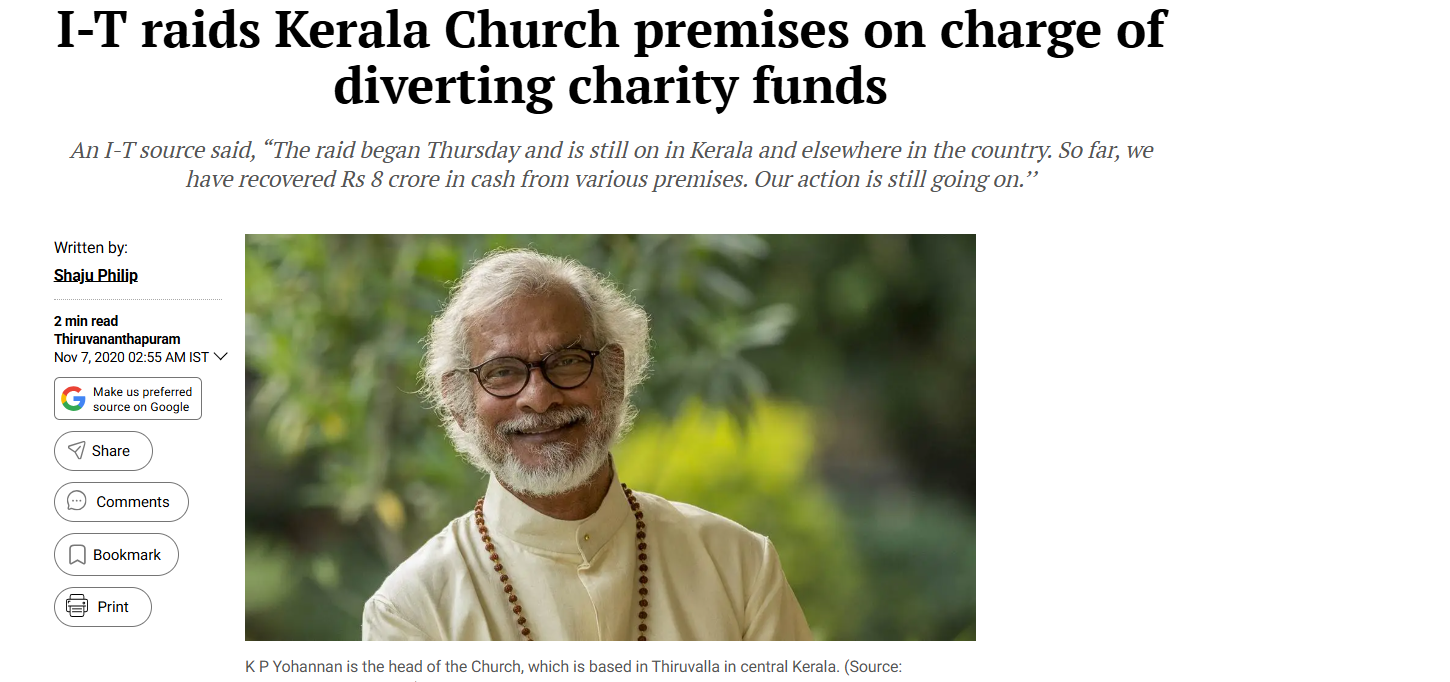
A set of two images is being widely circulated on social media claiming that the Enforcement Directorate (ED) recently raided a church in Kerala and seized ₹7000 crore in black money. The viral post also alleges that the media deliberately suppressed the news. CyberPeace Research Wing research found the claim to be misleading. The visuals are not recent and are linked to an Income Tax Department action conducted in 2020 at the Believers Eastern Church in Kerala.
Claim:
A Facebook user shared the viral post claiming that ₹7000 crore in black money was seized from a Kerala-based church run by a bishop named Yohannan, and alleged that mainstream media ignored the incident.
Post link: https://www.facebook.com/reel/2143680196569943 , https://archive.ph/submit/

Fact Check:
A keyword search related to the alleged raid on Believers Church in Kerala led to several news reports published in November 2020. A report published in The Hindu on November 6, 2020 stated that a crackdown by the Income Tax Department on the Thiruvalla-based Believers Eastern Church had reportedly uncovered several irregularities. https://www.thehindu.com/news/national/kerala/raids-bring-to-light-shady-deals-of-believers-church/article33041420.ece

Further verification from the official Income Tax Department website confirmed details of the search operation. According to the press release, approximately ₹6 crore in unexplained cash was recovered during the raid, including ₹3.85 crore from a place of worship in Delhi. https://www.incometaxindia.gov.in/Lists/Press%20Releases/Attachments/872/PressRelease_ITD_conducts_searches_in_Kerala_6_11_20.pdf
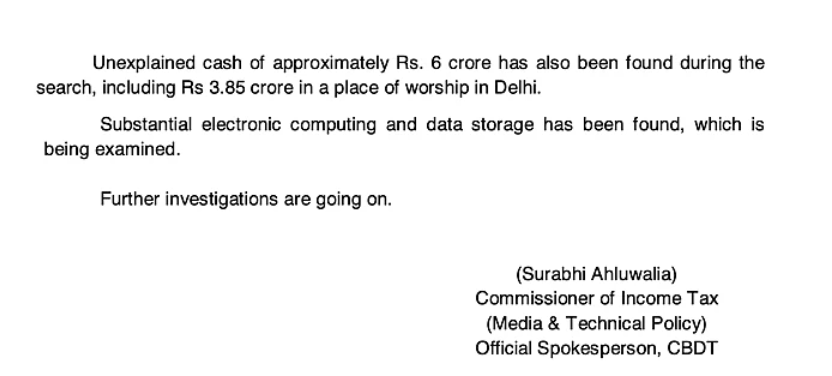
The release also noted that evidence suggested possible cash siphoning running into hundreds of crores of rupees.Additional media reports, including The Indian Express, stated that the total seizure amounted to around ₹14 crore. https://indianexpress.com/article/india/kerala/i-t-raids-kerala-church-premises-on-charge-of-diverting-charity-funds-6984466/
Conclusion:
The research confirms that the viral claim is misleading. The incident is from 2020 and not recent. During the Income Tax Department raid on the Believers Eastern Church in Kerala, around ₹6 crore in cash was recovered, with total seizures reported up to ₹14 crore in media reports. There is no evidence of any ₹7000 crore seizure as claimed in the viral post.

Executive Summary
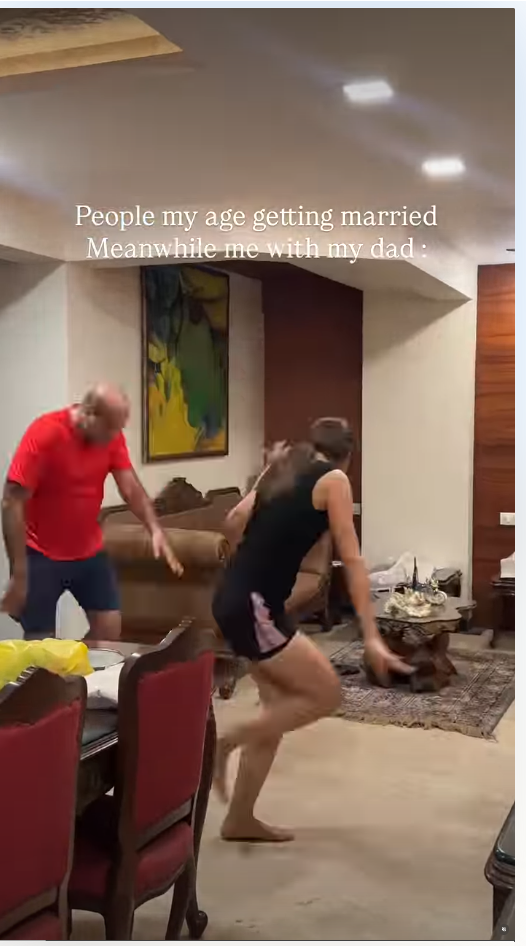
A video circulating on social media claims to show the Deputy Chief of Army Staff and former DGMO of the Indian Army, Lieutenant General Rajiv Ghai, dancing with a young woman at a party. Users sharing the clip further allege that other junior military officers were also present at the event. CyberPeace Research Wing research found the claim to be misleading. The viral video has no connection with the Indian Army, Lt Gen Rajiv Ghai, or any official military function. The person seen in the video is actually the father of content creator Akanksha Sehgal, who has featured him in multiple videos on her social media accounts.
Claim:
A Pakistani handle ‘Baba Thoka’ shared the video on X, alleging that Lt Gen Rajiv Ghai was seen dancing with young women at a party and that junior officers were also present.
- https://x.com/ThokaReturns/status/2068069535715147896?s=20
- https://archive.ph/H9EA0
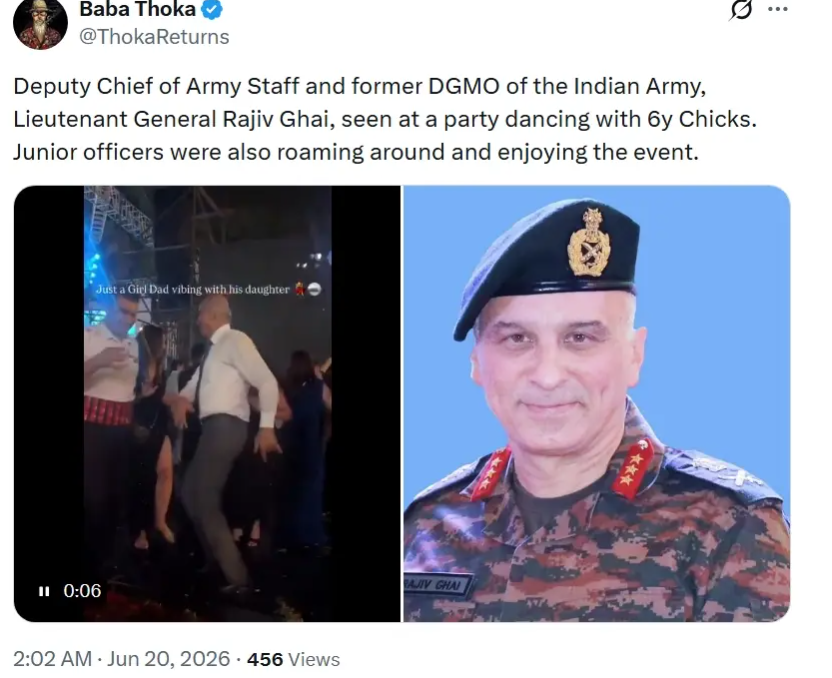
Fact Check:
A reverse image search of keyframes from the viral video led to the same clip being found on Instagram handle ‘akku_sehgal_’, posted on December 14, 2025. The video caption read: “POV – when your dad and your music taste match.”

Further examination of the content creator Akanksha Sehgal’s Instagram profile showed multiple videos featuring the same father-daughter duo, confirming that the man in the viral clip frequently appears in her content.
Conclusion:
The viral video claiming to show Lieutenant General Rajiv Ghai dancing at a party is misleading. The individual seen in the video is not the senior Indian Army officer but the father of content creator Akanksha Sehgal.

Executive Summary
Amid political developments following the 2026 West Bengal Assembly elections, a photo is being widely circulated on social media claiming that former cricketer and Baharampur MP Yusuf Pathan has joined the Bharatiya Janata Party (BJP). The viral image shows Pathan wearing a BJP scarf and standing alongside Union Health Minister JP Nadda. CyberPeace Research Wing research found the claim to be false. The image in circulation is AI-generated and does not depict any real event.
Claim:
A Facebook user ‘Mohd Anwar Dhadoli Khurd’ shared the viral image on June 16, 2026, claiming that Yusuf Pathan has joined the BJP. The post has since been widely shared across platforms.
Post link: https://www.facebook.com/mohd.anwar.dhadoli.khurd/posts/pfbid02WAo4uXhhM1qEVTMbxTjKpTHkoeAbfEztwkX6tWLWpN8WBzNavgtJgKV8JoBGULSul
Archive link: https://perma.cc/4A3H-YTPL
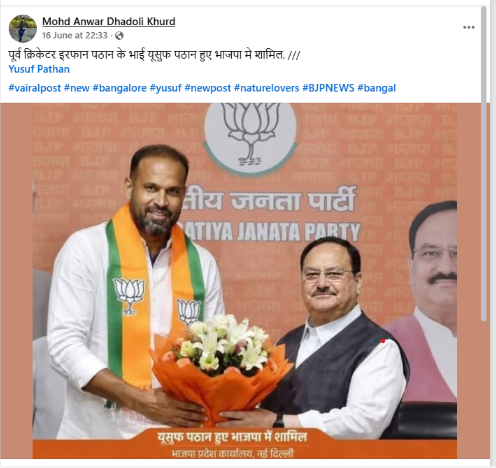
Fact Check:
A reverse image search of the viral photo did not yield any credible news reports or authentic sources linking the image to any such political development. No related information was found on Yusuf Pathan’s official social media accounts either, raising suspicion about the authenticity of the image. The image was then analysed using AI detection tools. Sightengine reported a 99% probability of the image being AI-generated.
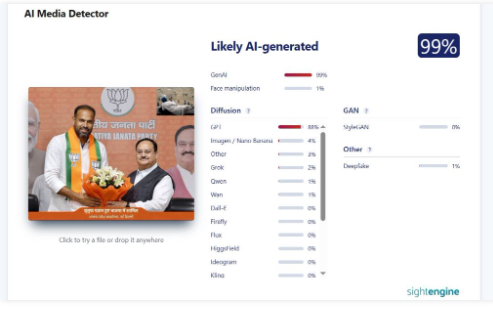
Additionally, analysis using “Undetectable.ai” also indicated a high likelihood of AI manipulation.
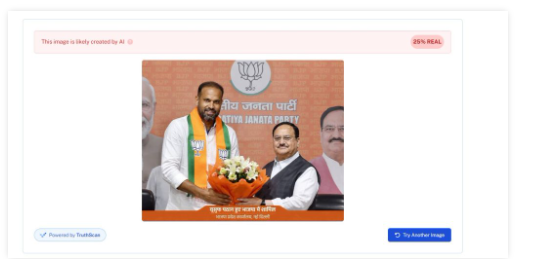
Conclusion:
The research confirms that the viral image claiming Yusuf Pathan’s entry into the BJP is AI-generated and does not reflect any real-world event.

Executive Summary
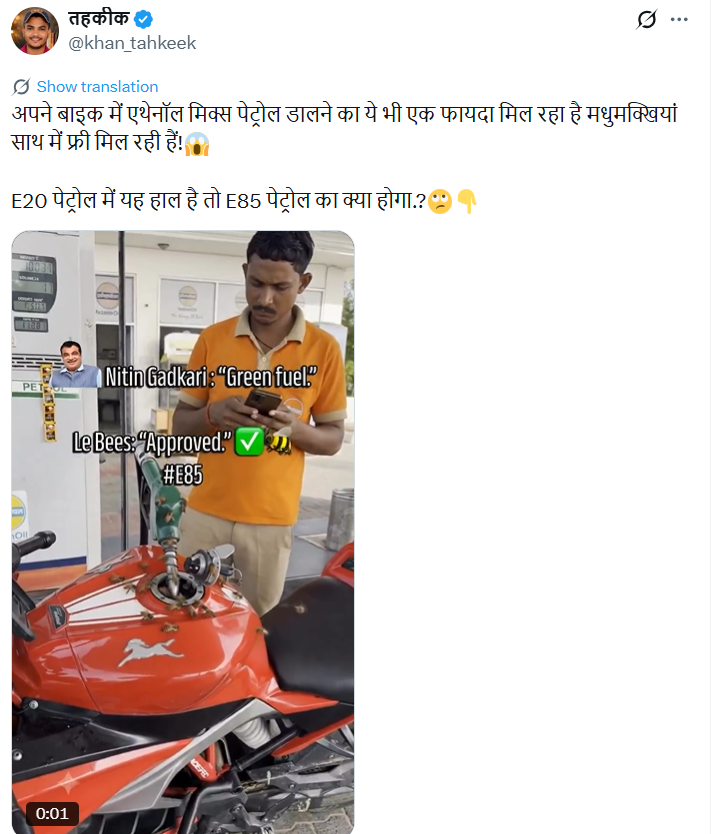
Following the official launch of E85 petrol in India on June 5, 2026, several videos have surfaced on social media claiming unusual side effects of ethanol-blended fuel. One such viral clip alleges that a swarm of bees gathers on a motorcycle fuel tank due to the use of ethanol mixed petrol. CyberPeace Research Wing research found the claim to be false and misleading. The viral video has been identified as AI-generated and does not depict any real-world incident related to ethanol-blended fuel.
Claim:
An X user shared an 11-second video on June 13, 2026, claiming that bees are being attracted to vehicles using ethanol-blended petrol. The post sarcastically suggested that E20 fuel is causing such unusual effects and questioned the impact of E85 petrol. https://x.com/khan_tahkeek/status/2065751435451437185?s=20, https://archive.ph/bMsL7
Fact Check:
A Google search using relevant keywords did not return any credible media reports supporting the claim, raising initial doubts about its authenticity. Closer inspection of the viral video revealed multiple visual inconsistencies suggesting digital manipulation. The video was further analysed using AI detection tools. Hive Moderation flagged the content as having a 98% probability of being AI-generated, indicating strong likelihood of synthetic creation.
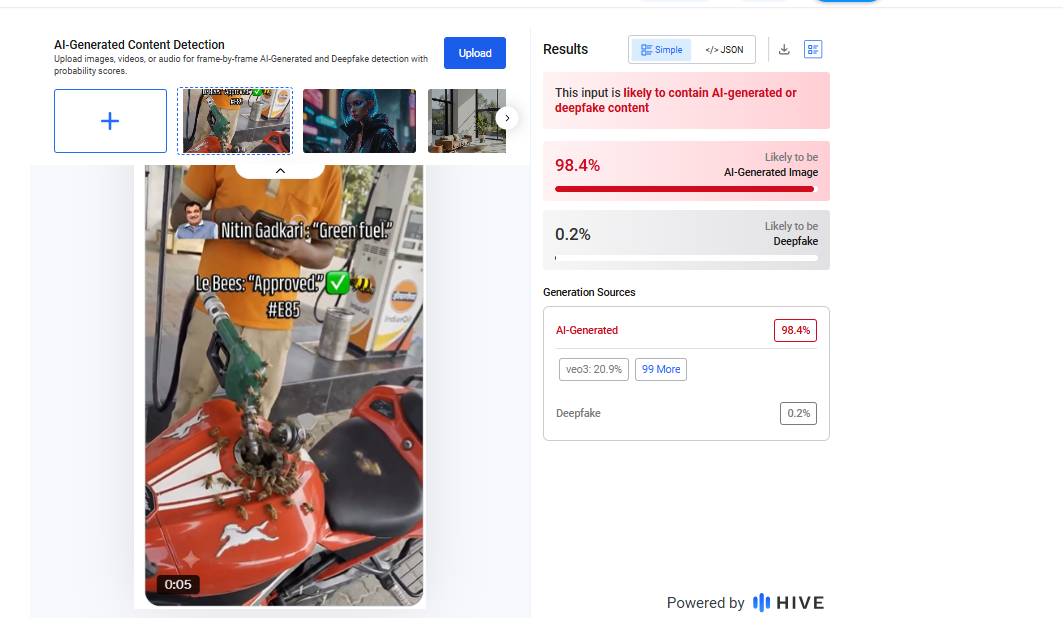
In addition, analysis using the AI detection tool “WasItAI” also confirmed that the video is AI-generated.

Further verification found an official post by Bharat Petroleum Corporation Limited (BPCL) dated June 17, 2026, debunking similar misinformation circulating around ethanol-blended petrol https://x.com/BPCLimited/status/2067167037710020929?s=20

Conclusion:
The research confirms that the viral video showing bees swarming on a motorcycle fuel tank is AI-generated. The claim linking it to ethanol-blended petrol (E85/E20) is false and misleading, with no real-world basis.

Executive Summary
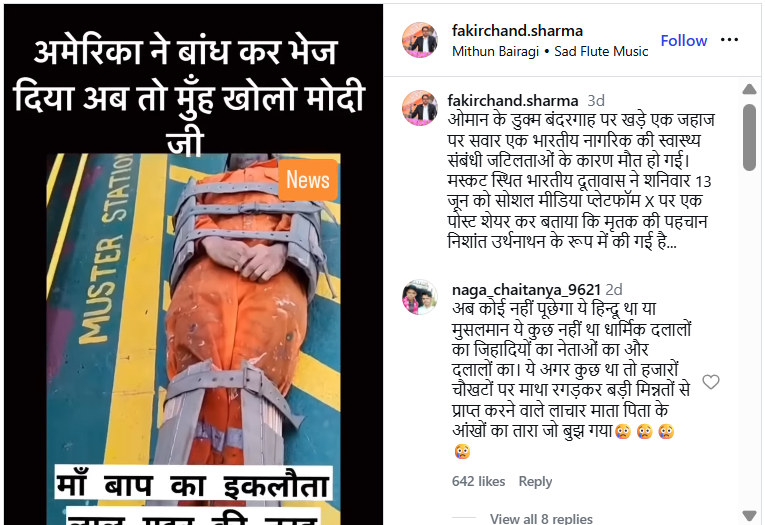
Amid reports of attacks on ships in the Gulf of Oman that led to the death of three Indian nationals, a video showing a person lying injured on a ship is being widely circulated on social media. The clip is being shared with the claim that the United States sent the body of a deceased Indian sailor to India in a “wrapped” condition. CyberPeace Research Wing research found the claim to be misleading. The viral video is unrelated to any recent incident involving Indian nationals and is, in fact, from a mock drill conducted on board a ship.
Claim:
An Instagram user ‘fakirchand.sharma’ shared the video on June 15, 2026, claiming that an Indian sailor, identified as Nishant Urthnathan, died due to health complications on a vessel anchored at Duqm port, Oman. The post further alleged that the United States returned the body in a “wrapped” condition, sparking outrage on social media. https://www.instagram.com/fakirchand.sharma/reel/DZlsxj9TIaS , https://perma.cc/C9SF-J8ZR
Fact Check:
A reverse image search of keyframes from the viral video led to an Instagram account ‘bipul_raja_vlogs’, where the same video was posted on June 10, 2026. The original caption clearly stated that the visuals were from a fire drill conducted on board a ship. https://www.instagram.com/p/DZbnZlGPAlL
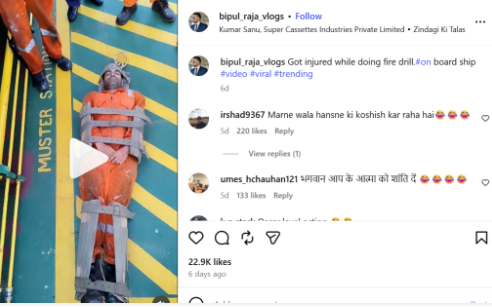
Further posts from the same account on June 15 and June 17, 2026, also show similar mock drill visuals and clarify that the content is being misused online. The account features multiple posts related to routine ship operations and training exercises. https://www.instagram.com/p/DZnEXOzCc2X
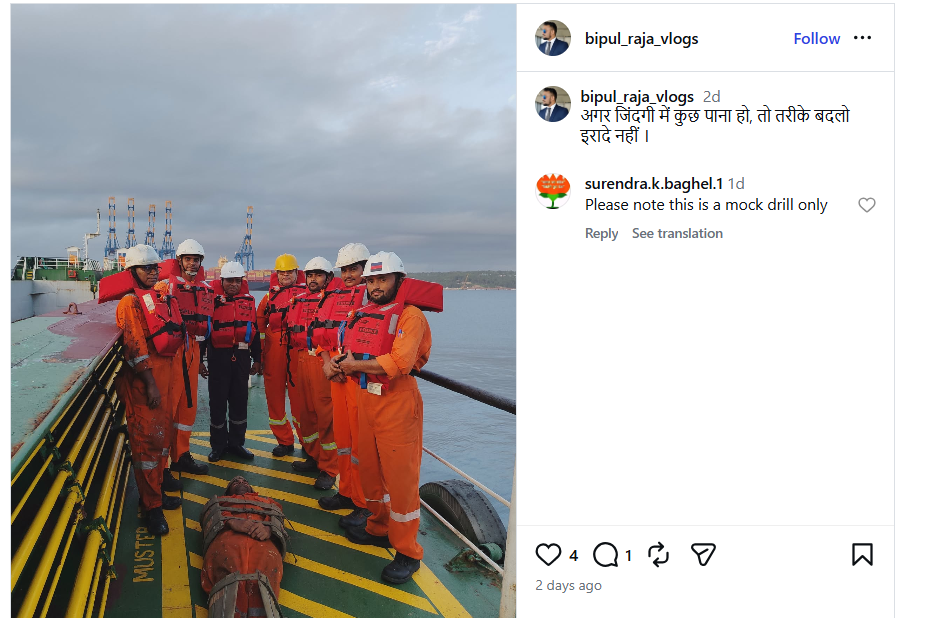
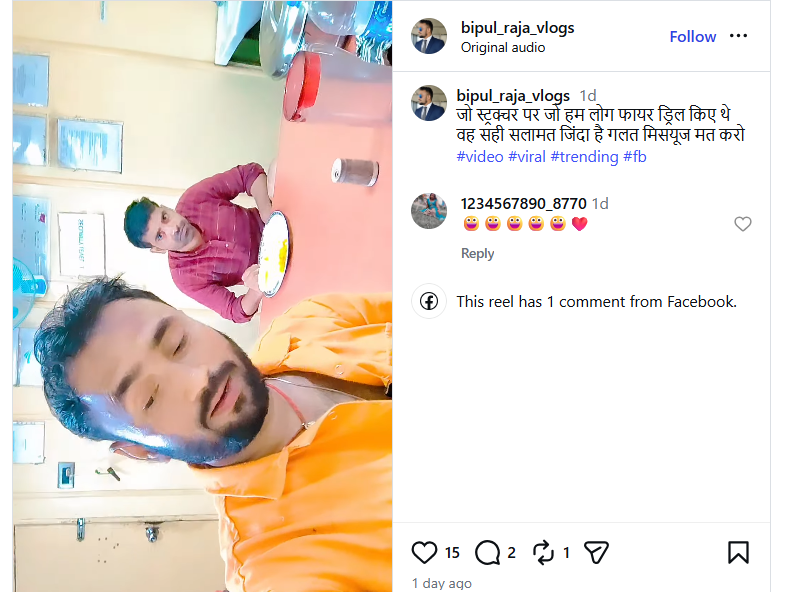
The profile also contains several other photos and videos of crew members working on the ship. We also checked the YouTube channel linked in this profile, “Sunnybabu,” where a mock drill video was uploaded on January 21, 2026. https://www.instagram.com/bipul_raja_vlogs

Conclusion:
The research confirms that the viral video is unrelated to the death of any Indian sailor in the Gulf of Oman. The clip actually shows a mock drill conducted on a ship and is being falsely shared with a misleading narrative.

Executive Summary: A video circulating on social media claims that retired Lieutenant General P.R. Shankar questioned the capability of newly appointed Army Chief Lt Gen Dhiraj Seth, suggesting he may not be able to effectively counter Pakistan or China. The clip further alleges that the appointment involved political influence and favoritism. CyberPeace Research Wing research found the claim to be false and misleading. The original video contains no such remarks regarding the new Army Chief or his appointment.
Claim: An X user shared the viral video on June 16, 2026, alleging that Lt Gen P.R. Shankar raised concerns over the appointment of the new Army Chief and questioned his competence in handling threats from Pakistan and China. https://x.com/indiain24hr/status/2066916021982908502 , https://archive.ph/vAnjo
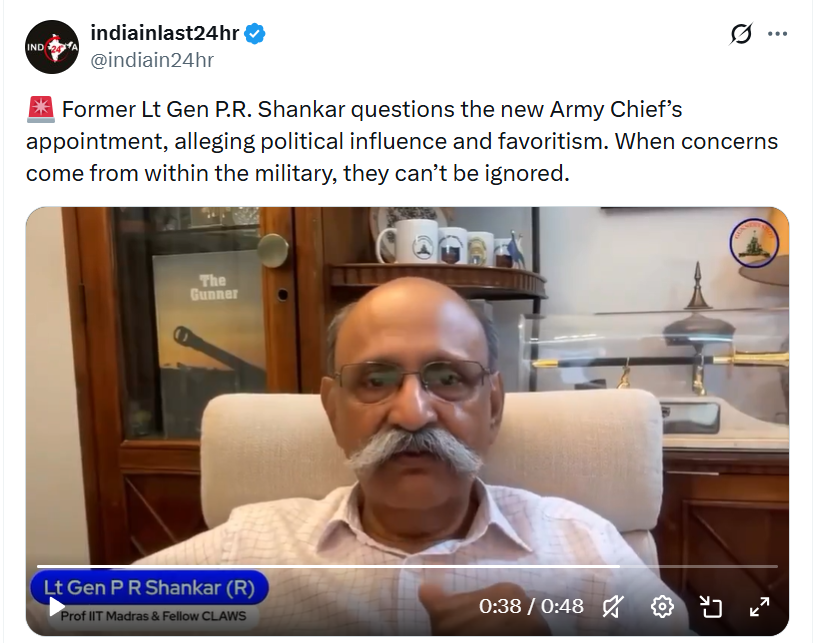
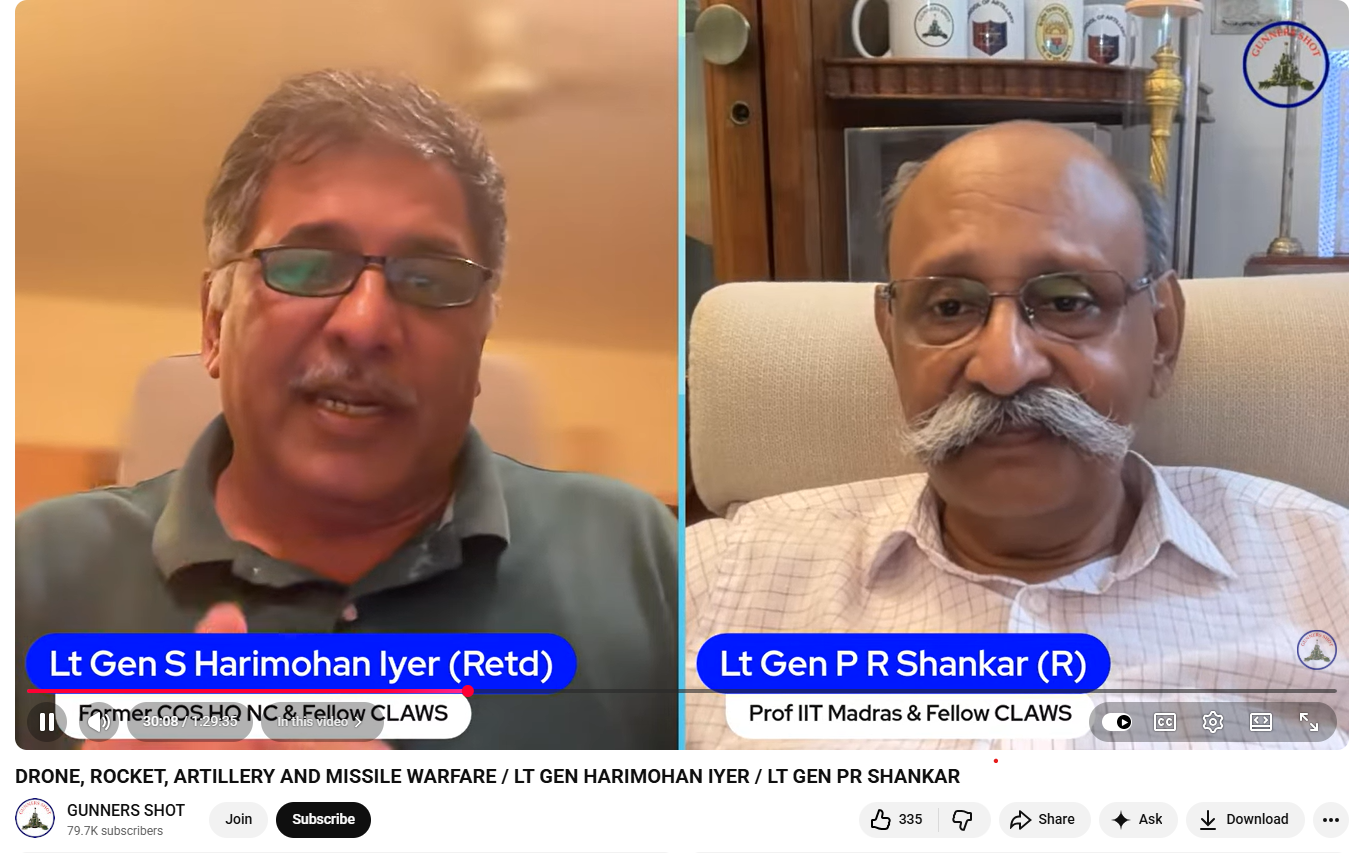
Fact Check: A Google search using relevant keywords did not yield any credible media reports supporting the claim, raising initial doubts about its authenticity. A reverse image search of keyframes from the viral video led to a YouTube livestream uploaded on June 13, 2026. The original video showed Lt Gen P.R. Shankar discussing modern military concepts such as drone warfare, rocket systems, artillery and missile warfare (DRaM Warfare), with no reference to Lt Gen Dhiraj Seth or his appointment.
https://www.youtube.com/live/60JMMlHRmjA
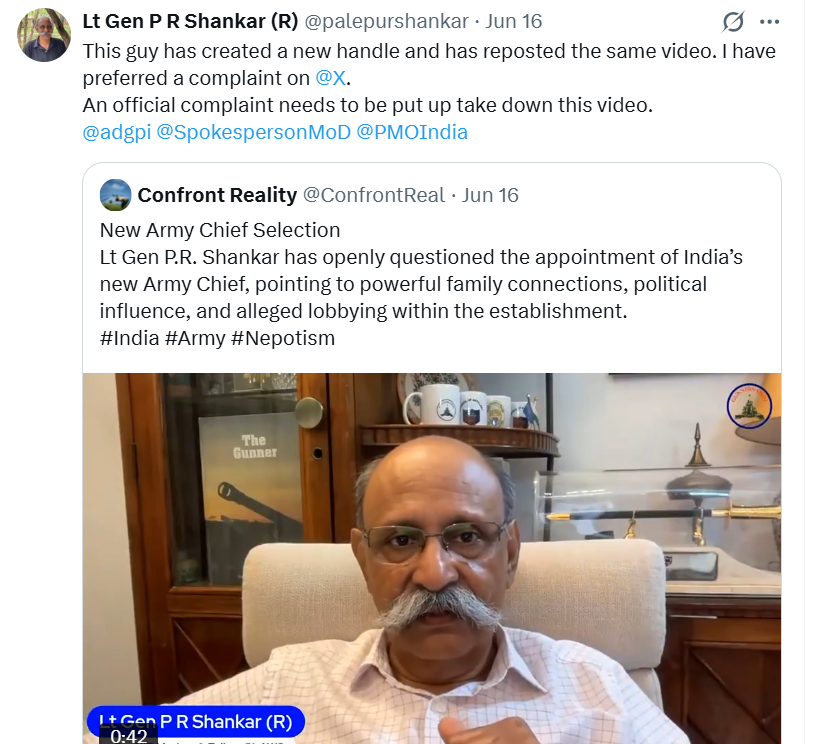
Further verification revealed that Lt Gen P.R. Shankar himself has labelled the circulating clip as fake on his official X account and has stated that a formal complaint has been filed against such manipulated content.
https://x.com/palepurshankar/status/2066826145707024778
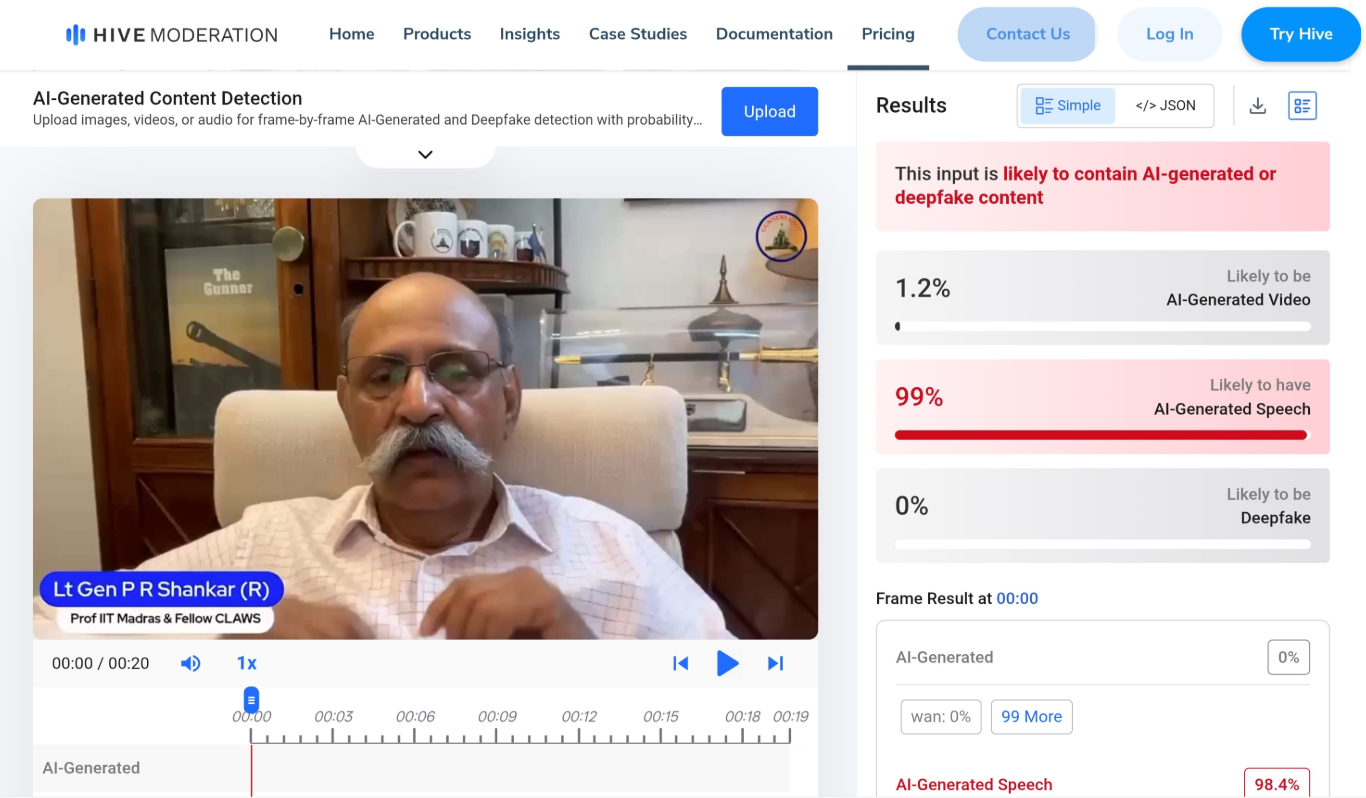
Additionally, AI detection analysis using Hive Moderation indicated that the audio in the viral video has a 99% probability of being AI-generated.
Conclusion: The research confirms that the viral video is an AI-generated deepfake. The original video does not contain any remarks about Lt Gen Dhiraj Seth or his appointment. The content has been digitally manipulated and is being circulated with a misleading narrative.
