
#FactCheck-Protest Video from Nagrota Falsely Linked to Opposition Against Indian Army
Executive Summary
A video is being widely circulated on social media by Pakistani propaganda-linked users, showing a group of people protesting on a road. It is being claimed that protesters in Jammu & Kashmir stopped Indian Army personnel from entering Nagrota, indicating growing public opposition against the forces. Research by CyberPeace Research Wing found that the claim is misleading. The viral video is unrelated to any protest against the Indian Army.
Claim
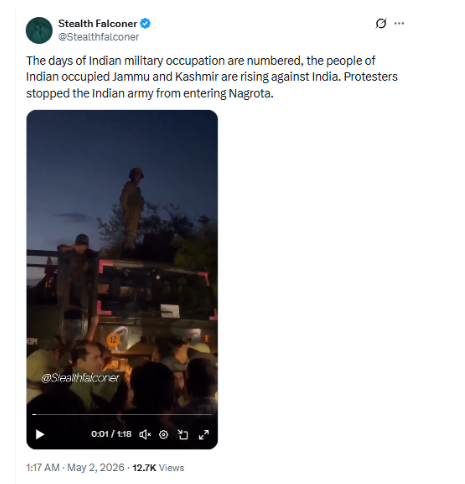
A user posted the video on X, claiming: “The days of Indian military occupation are numbered; people of Jammu & Kashmir have risen against India. Protesters stopped the Indian Army from entering Nagrota.”
- https://x.com/Stealthfalconer/status/2050301106623045758?s=20
Fact Check
During the research, the CyberPeace Research Wing team found no evidence of any such incident where civilians blocked or opposed the Indian Army in Nagrota. Further probe led to a post by an X user “Defence News Of INDIA,” which contained the full version of the viral video. The accompanying information clarified that the protest took place in Dansal’s Badsu Panchayat area of Nagrota and was led by BJP MLA Devayani Rana.
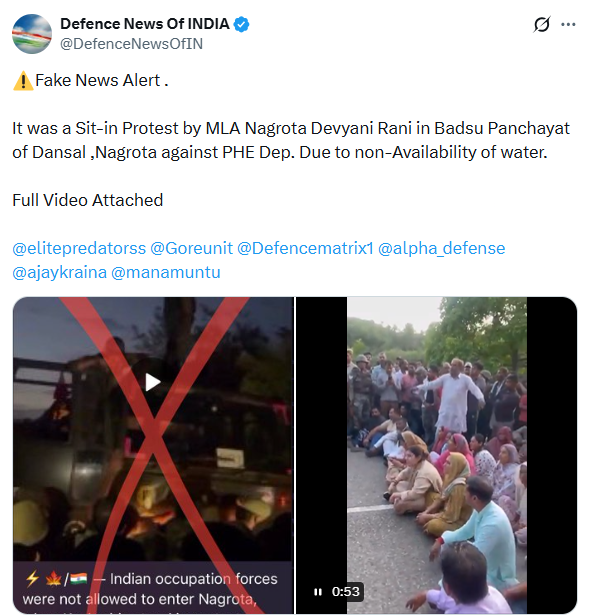
The protest was organized against the Public Health Engineering (PHE) Department over severe water shortage issues in the region. Locals, along with the MLA, staged a sit-in to highlight the lack of water supply.
We also found multiple media reports, including from KBC News – Kashmir and Jammu Links News, confirming that Devayani Rana led a road blockade protest in her constituency over water scarcity and accused the Jal Shakti Department of negligence and administrative failure. Additionally, videos of the same protest were available on social media platforms, including live streams shared from Devayani Rana’s official pages.

Conclusion
Our research confirms that the viral claim is false and misleading. The video does not show any protest against the Indian Army. It is actually from a demonstration led by Devayani Rana and local residents over water shortage issues in Nagrota.

Related Blogs

Executive Summary:
A video of Prime Minister Narendra Modi is going viral across multiple social media platforms. In the clip, PM Modi is purportedly heard praising Christianity and stating that only Jesus Christ can lead people to heaven.Several users are sharing and commenting on the video, believing it to be genuine. The CyberPeace researched the viral claim and found it to be false. The circulating video has been created using artificial intelligence (AI).
Claim:
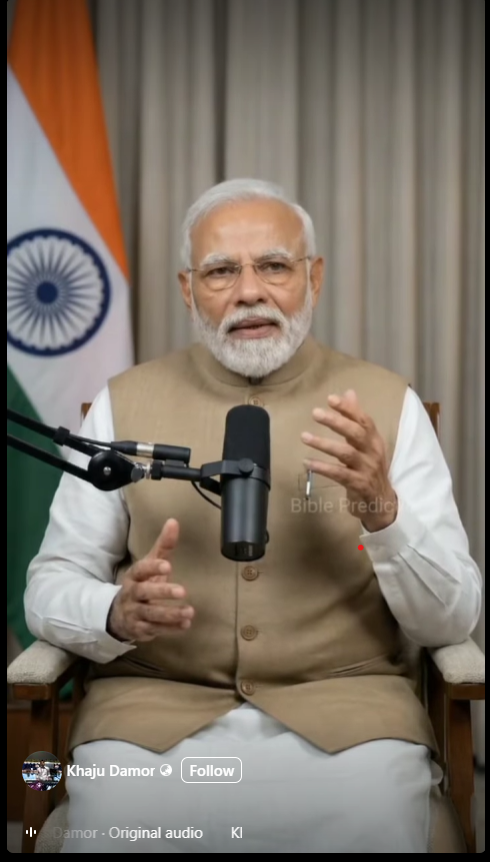
On January 29, 2026, a Facebook user named ‘Khaju Damor’ posted the viral video of PM Modi. The post gained traction, with many users sharing and commenting on it as if it were authentic. (Links and archived versions provided)
Fact Check:
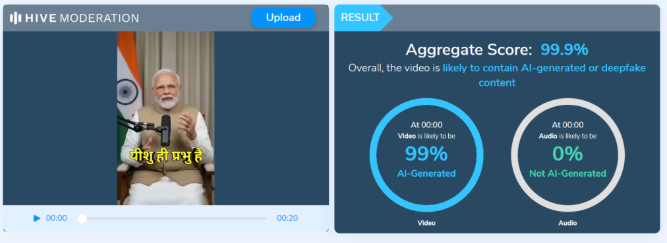
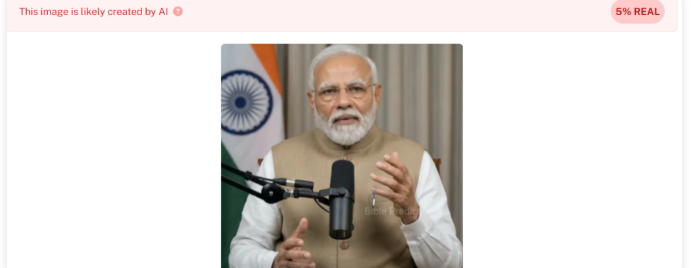
As part of our research , we first closely examined the viral video. Upon careful observation, several inconsistencies were noticed. The Prime Minister’s facial expressions and hand movements appeared unnatural. The lip-sync and overall visual presentation also raised suspicions about the clip being digitally manipulated. To verify this further, we analyzed the video using the AI detection tool Hive Moderation. The tool’s analysis indicated a 99% probability that the video was AI-generated.
To independently confirm the findings, we also ran the clip through another detection platform, Undetectable.ai. Its analysis likewise indicated a very high likelihood that the video was created using artificial intelligence.
Conclusion:
Our research confirms that the viral video of Prime Minister Narendra Modi praising Christianity and making the alleged statement about heaven is fake. The clip has been generated using AI tools and does not depict a real statement made by the Prime Minister.

Executive Summary
Assembly election results for West Bengal, Assam, Kerala, Tamil Nadu and the Union Territory of Puducherry have been declared, with the Bharatiya Janata Party (BJP) set to form the government in West Bengal after defeating the Trinamool Congress (TMC). Amid celebrations and reports of violence in the state, several misleading videos and images are also circulating on social media. One such viral clip shows people waving the Indian tricolour and saffron flags during a street celebration. Social media users are claiming that the video captures people celebrating a political change and BJP’s victory in West Bengal. Research by CyberPeace Research Wing found that the claim is false. The viral video is not from West Bengal but from Prayagraj and actually shows celebrations after India’s victory in the ICC Men's T20 World Cup 2026.
Claim
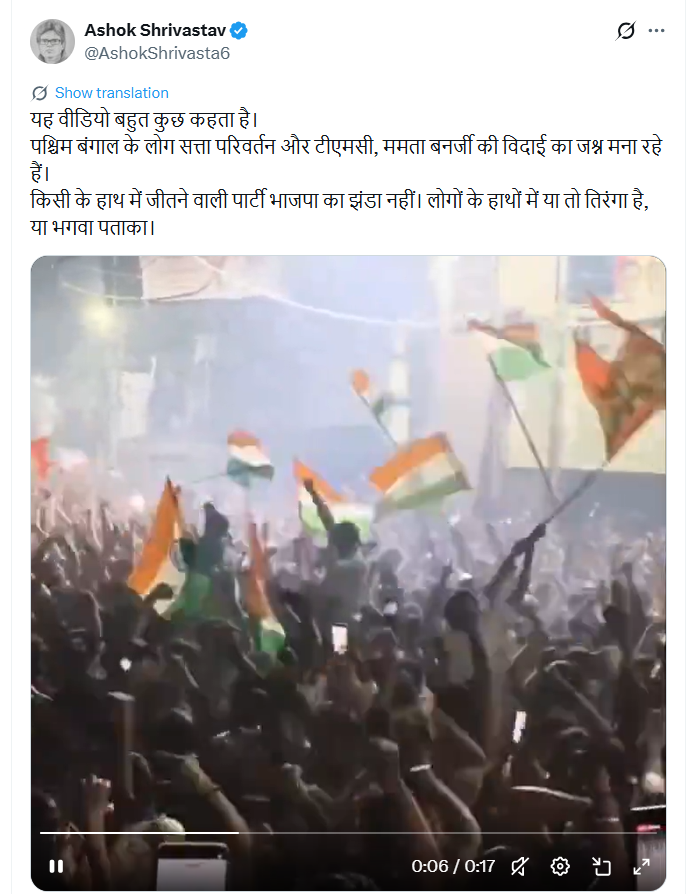
An X user named “Ashok Shrivastav” shared the video on May 6, 2026, claiming that people in West Bengal were celebrating the departure of Mamata Banerjee and the TMC government. The user further claimed that people were waving only the national flag and saffron flags, not BJP flags.
Fact Check
To verify the claim, we extracted several keyframes from the viral video and conducted a reverse image search using Google Lens. The clip was found on multiple social media handles falsely linked to West Bengal.

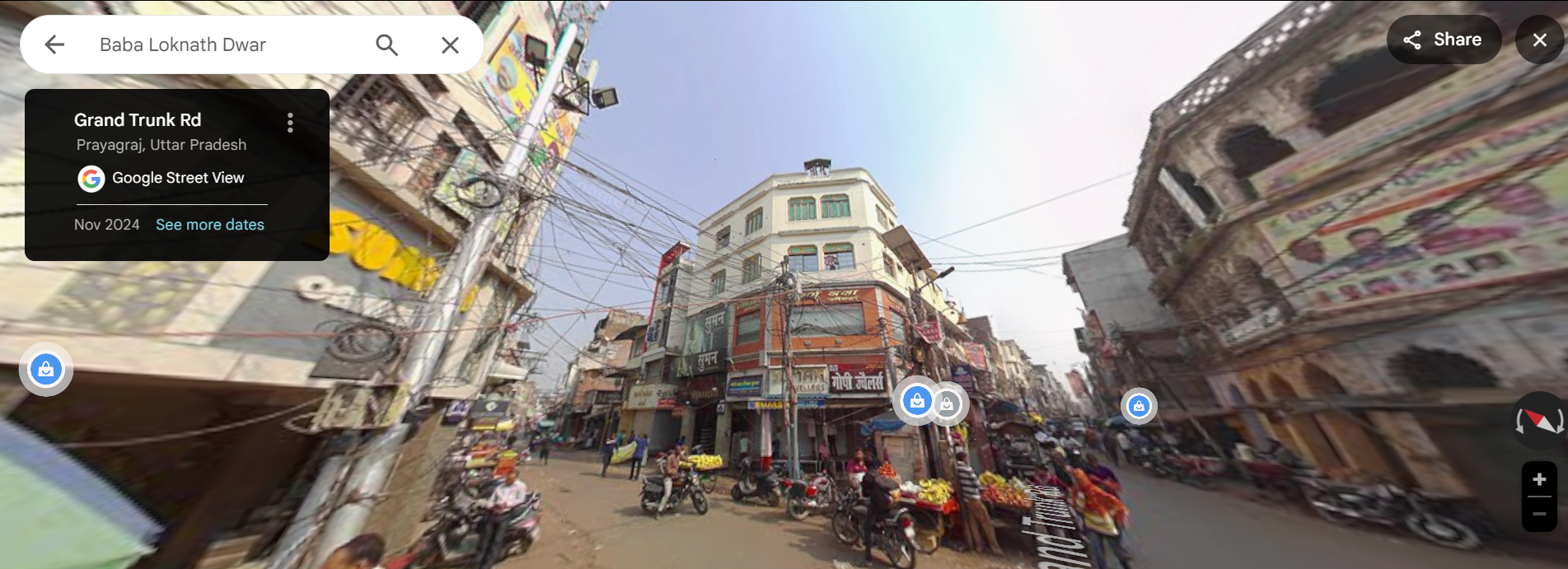
However, the oldest version of the video was uploaded on March 8, 2026, by an Instagram page named “Streets of Sangam.” The caption identified the location as Prayagraj and included hashtags related to the World Cup and Loknath. During the comparison of the viral and original videos, we noticed a shop sign reading “Suman Ornaments.” Using Google Street View, we traced the location to Baba Loknath area in Prayagraj, where the same shop could be identified near Loknath Gate.
Conclusion
Our research confirms that the viral claim is fake. The video being shared as BJP victory celebrations in West Bengal is actually from Prayagraj, Uttar Pradesh, and dates back to March 2026, when locals celebrated Team India’s T20 World Cup victory. The old clip is now being misleadingly circulated with a false political narrative.

Introduction
In an alarming event, one of India’s premier healthcare institutes, AIIMS Delhi, has fallen victim to a malicious cyberattack for the second time in the year. The Incident serves as a clear-cut reminder of the escalating threat landscape faced by the healthcare organisation in this digital age. In the attack, which unfolded with grave implications, the attackers not only explored the vulnerabilities present in the healthcare sector, but this also raised the concern about the security of patient data and the uninterrupted delivery of critical healthcare services. In this blog post, we will explore the incident, what happened, and what safety measures can be taken.
Backdrop
The cyber-security systems deployed in AIIMS, New Delhi, recently detected a malware attack. The nature and scope of the attack were both sophisticated and targeted. This second hack acts as a wake-up call for healthcare organisations nationwide. As the healthcare business increasingly depends on digital technology to improve patient care and operational efficiency, cybersecurity must be prioritised to protect sensitive data. To minimise cyber-attack dangers, healthcare organisations must invest in robust defences such as multi-factor authentication, network security, frequent system upgrades, and employee training.
The attempt was successfully prevented, and the deployed cyber-security systems neutralised the threat. The e-Hospital services remain to be fully secure and are functioning normally.
Impact on AIIMS
Healthcare services have been under hackers’ radar worldwide, and the healthcare sector has been impacted badly. The attack on AIIMS Delhi’s effects has been both immediate and far-reaching. The organisation, which is recognised for delivering excellent healthcare services and performing breakthrough medical research, faced significant interruptions in its everyday operations. Patient care and treatment processes were considerably impeded, resulting in delays, cancellations, and the inability to access essential medical documents. The stolen data raises serious concerns about patient privacy and confidentiality, raising doubts about the institution’s capacity to protect sensitive information. Furthermore, the financial ramifications of the assault, such as the cost of recovery, deploying more robust cybersecurity measures, and potential legal penalties and forensic analyses, contribute to the scale of the effect. The event has also generated public concerns about the institution’s ability to preserve personal information, undermining confidence and degrading AIIMS Delhi’s image.
Impact on Patients: The attacks not only impact the institutes but also have serious implications for the patients and here are some key highlights:
Healthcare Service Disruption: The hack has affected the seamless delivery of healthcare services at AIIMS Delhi. Appointments, surgeries, and other medical treatments may be delayed, cancelled, or rescheduled. This disturbance can result in longer wait times, longer treatment periods, and potential problems from delayed or interrupted therapy.

Patient Privacy and Confidentiality are jeopardised because of the breach of sensitive patient data. Medical data, test findings, and treatment plans may have been compromised. This breach may diminish patient faith in the institution’s capacity to safeguard their personal information, discouraging them from seeking care or submitting sensitive information in the future.
As a result of the cyberattack, patients may endure mental anguish and worry. Fear of possible exploitation of personal health information, confusion about the scope of the breach, and concerns about the security of their healthcare data can all have a negative impact on their mental health. This stress might aggravate pre-existing medical issues and impede total recovery.
Trust at stake: A data breach may harm patients’ faith and confidence in AIIMS Delhi and the healthcare system. Patients rely on healthcare facilities to keep their information secure and confidential while providing safe, high-quality care. A hack can doubt the institution’s ability to safeguard patient data, affecting patients’ overall faith in the organisation and potentially leading to patients seeking care elsewhere.
Cybersecurity Measures
To avoid future hacks and protect patient data, AIIMS Delhi must prioritize enhancing its cybersecurity procedures. The institution can strengthen its resistance to changing threats by establishing strong security practices. The following steps can be considered.
Using Multi-factor Authentication: By forcing users to submit several forms of identity to access systems and data, multi-factor authentication offers an extra layer of protection. AIIMS Delhi may considerably lower the danger of unauthorised access by applying this precaution, even in the case of leaked passwords or credentials. Biometrics and one-time passwords, for example, should be integrated into the institution’s authentication systems.
Improving Network Security and Firewalls: AIIMS Delhi should improve network security by implementing strong firewalls, intrusion detection and prevention systems, and network segmentation. These techniques serve to construct barriers between internal systems and external threats, reducing attackers’ lateral movement within the network. Regular network traffic monitoring and analysis can assist in recognising and mitigating any security breaches.
Risk Assessment: Regular penetration testing and vulnerability assessments are required to uncover possible flaws and vulnerabilities in AIIMS Delhi’s systems and infrastructure. Security professionals can detect vulnerabilities and offer remedial solutions by carrying out controlled simulated assaults. This proactive strategy assists in identifying and addressing any security flaws before attackers exploit them.
Educating and training Healthcare Professionals: Education and training have a crucial role in enhancing cybersecurity practices in healthcare facilities. Healthcare workers, including physicians, nurses, administrators, and support staff, must be well-informed about the importance of cybersecurity and trained in risk-mitigation best practices. This will empower healthcare professionals to actively contribute to protecting the patient’s data and maintaining the trust and confidence of patients.
Learnings from Incidents
AIIMS Delhi should embrace cyber-attacks as learning opportunities to strengthen its security posture. Following each event, a detailed post-incident study should be performed to identify areas for improvement, update security policies and procedures, and improve employee training programs. This iterative strategy contributes to the institution’s overall resilience and preparation for future cyber-attacks. AIIMS Delhi can effectively respond to cyber incidents, minimise the impact on operations, and protect patient data by establishing an effective incident response and recovery plan, implementing data backup and recovery mechanisms, conducting forensic analysis, and promoting open communication. Proactive measures, constant review, and regular revisions to incident response plans are critical for staying ahead of developing cyber threats and ensuring the institution’s resilience in the face of potential future assaults.

Conclusion
To summarise, developing robust healthcare systems in the digital era is a key challenge that healthcare organisations must prioritise. Healthcare organisations can secure patient data, assure the continuation of key services, and maintain patients’ trust and confidence by adopting comprehensive cybersecurity measures, building incident response plans, training healthcare personnel, and cultivating a security culture. Adopting a proactive and holistic strategy for cybersecurity is critical to developing a healthcare system capable of withstanding and successfully responding to digital-age problems.
