
False News -WhatsApp records voice and video calls
Introduction
A message has recently circulated on WhatsApp alleging that voice and video chats made through the app will be recorded, and devices will be linked to the Ministry of Electronics and Information Technology’s system from now on. WhatsApp from now, record the chat activities and forward the details to the Government. The Anti-Government News has been shared on social media.
Message claims
- The fake WhatsApp message claims that an 11-point new communication guideline has been established and that voice and video calls will be recorded and saved. It goes on to say that WhatsApp devices will be linked to the Ministry’s system and that Facebook, Twitter, Instagram, and all other social media platforms will be monitored in the future.
- The fake WhatsApp message further advises individuals not to transmit ‘any nasty post or video against the government or the Prime Minister regarding politics or the current situation’. The bogus message goes on to say that it is a “crime” to write or transmit a negative message on any political or religious subject and that doing so could result in “arrest without a warrant.”
- The false message claims that any message in a WhatsApp group with three blue ticks indicates that the message has been noted by the government. It also notifies Group members that if a message has 1 Blue tick and 2 Red ticks, the government is checking their information, and if a member has 3 Red ticks, the government has begun procedures against the user, and they will receive a court summons shortly.
WhatsApp does not record voice and video calls
There has been news which is spreading that WhatsApp records voice calls and video calls of the users. the news is spread through a message that has been recently shared on social media. As per the Government, the news is fake, that WhatsApp cannot record voice and video calls. Only third-party apps can record voice and video calls. Usually, users use third-party Apps to record voice and video calls.
Third-party apps used for recording voice and video calls
- App Call recorder
- Call recorder- Cube ACR
- Video Call Screen recorder for WhatsApp FB
- AZ Screen Recorder
- Video Call Recorder for WhatsApp
Case Study
In 2022 there was a fake message spreading on social media, suggesting that the government might monitor WhatsApp talks and act against users. According to this fake message, a new WhatsApp policy has been released, and it claims that from now on, every message that is regarded as suspicious will have three 3 Blue ticks, indicating that the government has taken note of that message. And the same fake news is spreading nowadays.
WhatsApp Privacy policies against recording voice and video chats
The WhatsApp privacy policies say that voice calls, video calls, and even chats cannot be recorded through WhatsApp because of end-to-end encryption settings. End-to-end encryption ensures that the communication between two people will be kept private and safe.
WhatsApp Brand New Features
- Chat lock feature: WhatsApp Chat Lock allows you to store chats in a folder that can only be viewed using your device’s password or biometrics such as a fingerprint. When you lock a chat, the details of the conversation are automatically hidden in notifications. The motive of WhatsApp behind the cha lock feature is to discover new methods to keep your messages private and safe. The feature allows the protection of most private conversations with an extra degree of security
- Edit chats feature: WhatsApp can now edit your WhatsApp messages up to 15 minutes after they have been sent. With this feature, the users can make the correction in the chat or can add some extra points, users want to add.
Conclusion
The spread of misinformation and fake news is a significant problem in the age of the internet. It can have serious consequences for individuals, communities, and even nations. The news is fake as per the government, as neither WhatsApp nor the government could have access to WhatsApp chats, voice, and video calls on WhatsApp because of end-to-end encryption. End-to-end encryption ensures to protect of the communications of the users. The government previous year blocked 60 social media platforms because of the spreading of Anti India News. There is a fact check unit which identifies misleading and false online content.

Related Blogs
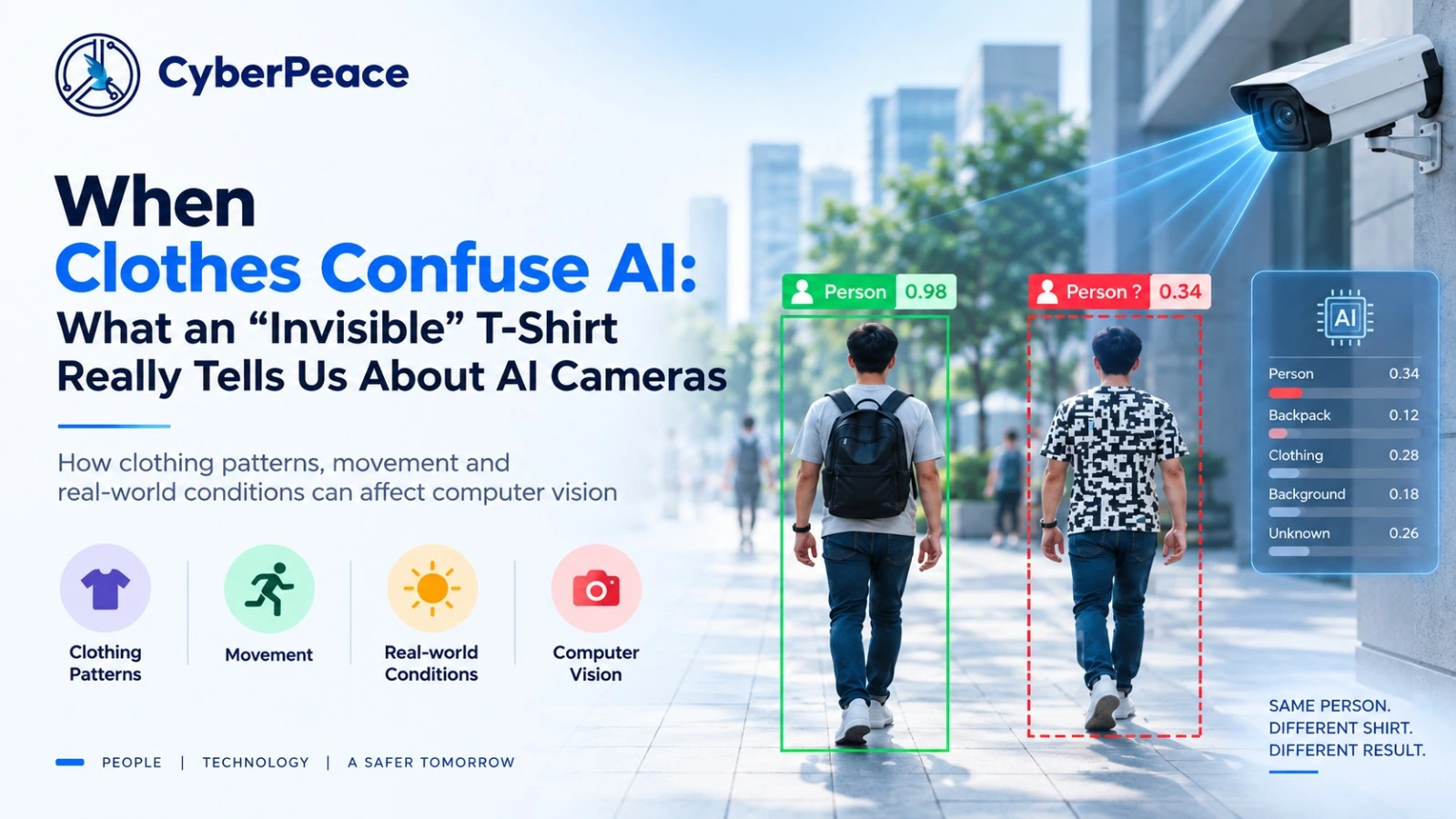
How clothing patterns, movement and real-world conditions can affect computer vision
Introduction
A person walks in front of an AI camera. The person is clearly visible to us, yet the system may not always identify the person with the same confidence. This sounds strange until we understand one basic fact: a camera records an image, while an AI model interprets that image through patterns learned during training.
This idea became popular through demonstrations such as “The T-Shirt Invisibility Cloak,” where specially designed clothing was shown as a way to interfere with person-detection systems. The wearer does not become physically invisible. The camera still captures the person. Instead, the visual pattern can make a particular AI model less confident or cause an incorrect prediction.
So, how can a piece of clothing affect machine vision? And what does this tell us about the strengths and limitations of AI surveillance?
How Does an AI Camera See?
A normal CCTV camera mainly captures and records video. An AI camera adds software that analyses the video for a specific task, such as detecting a person, vehicle, face or event.
A simple way to understand the process is:
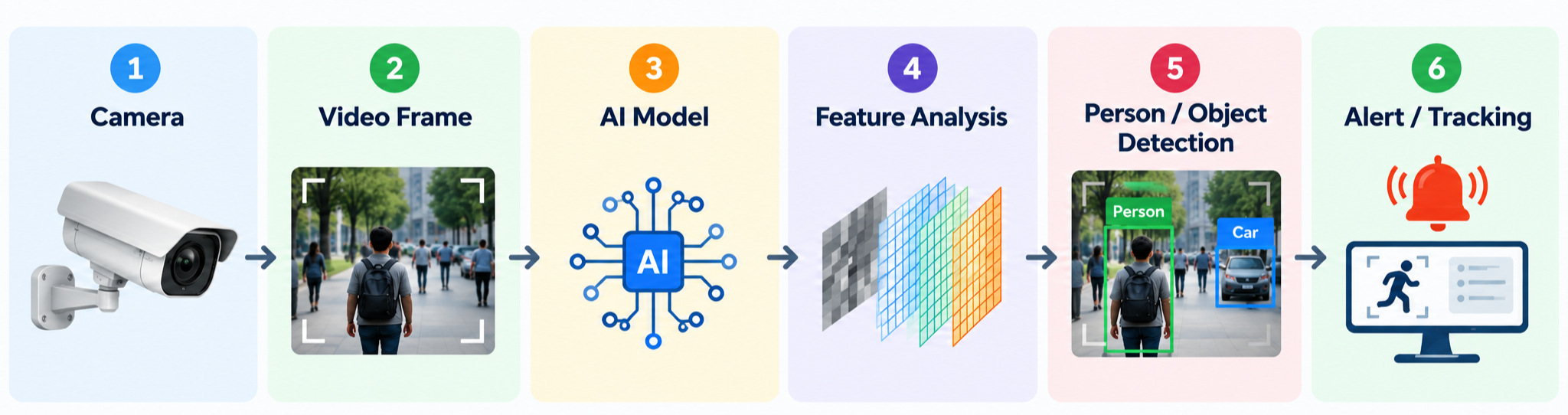
The model does not understand a person exactly as a human does. It processes numerical representations learned from training data. For a person detector, the question is closer to “Do these visual patterns match the class ‘person’?” than “I know this is a human.”
Think About It
A human sees a person wearing a complex shirt and easily separates the shirt design from the person. An AI model must decide what the visual patterns in the image mean for its particular task.
When Clothing Becomes Difficult
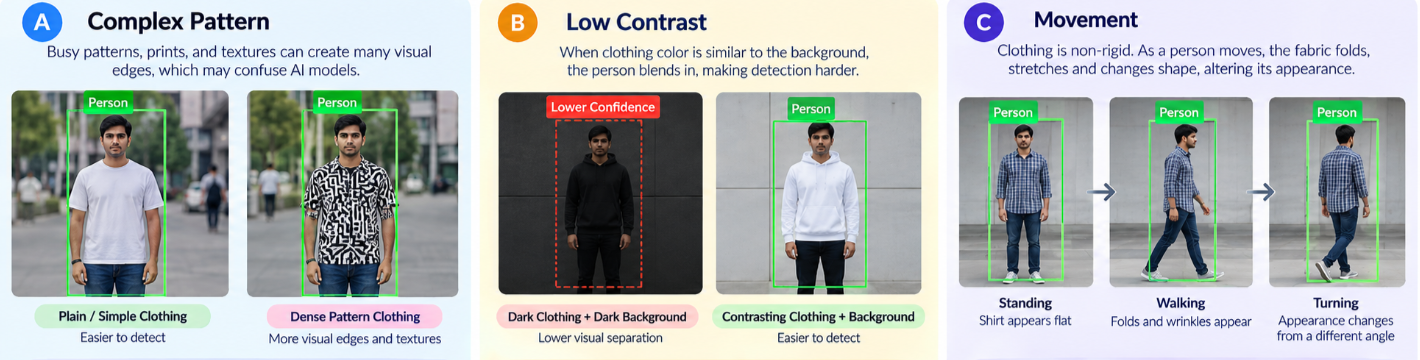
Clothing can become challenging when it changes the visual information available to a model.
Complex patterns can add many edges, repeated shapes and textures to an image. These do not automatically confuse an AI camera, but they can influence the features a detector uses.
Low contrast can create another problem. If clothing is close in colour or brightness to the background, the boundary between the person and the environment may be harder to separate, especially in poor lighting or low-resolution footage.
Movement creates another challenge. A loose jacket, flowing fabric or layered clothing changes shape as the person walks or turns. Researchers designing adversarial T-shirts have had to account for these non-rigid changes because a printed pattern does not stay flat on a moving body.
The T-Shirt Invisibility Cloak
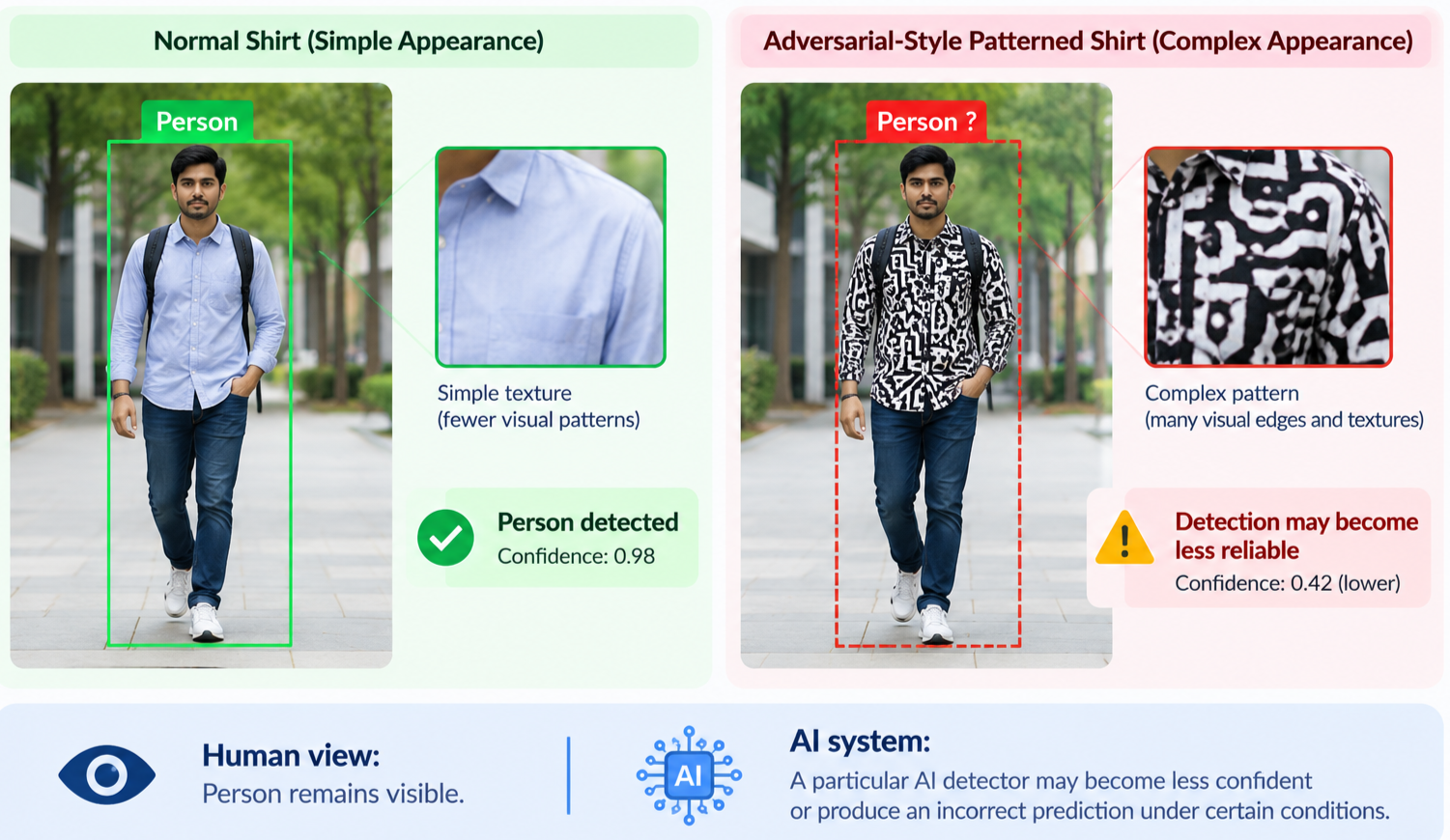
The video “The T-Shirt Invisibility Cloak” is a simple introduction to a larger research area called physical adversarial examples.
In adversarial machine learning, researchers study inputs deliberately designed to make a model produce an incorrect prediction. With clothing, the visual pattern is physically printed on a garment and then captured by a camera.
A 2019 study by Xu and colleagues demonstrated an adversarial T-shirt designed to interfere with person detectors in the physical world. Under their test conditions, the reported physical attack success rate against YOLOv2 was 57%. The work also modelled cloth deformation caused by movement.
A 2022 CVPR study on adversarial texture extended the idea to different viewing angles and tested physical clothing such as T-shirts, skirts and dresses.
But there is an important limitation: an adversarial garment is not a universal invisibility cloak. Different cameras and AI systems use different models, training data and processing pipelines. A pattern that affects one detector may have little effect on another.
Why Does the AI Get It Wrong?
Clothing may be only one part of the problem. A model can receive features different from what it learned during training. Camera angle, distance, movement, lighting, motion blur, compression and occlusion can also change the image.
Imagine the same person in four situations:
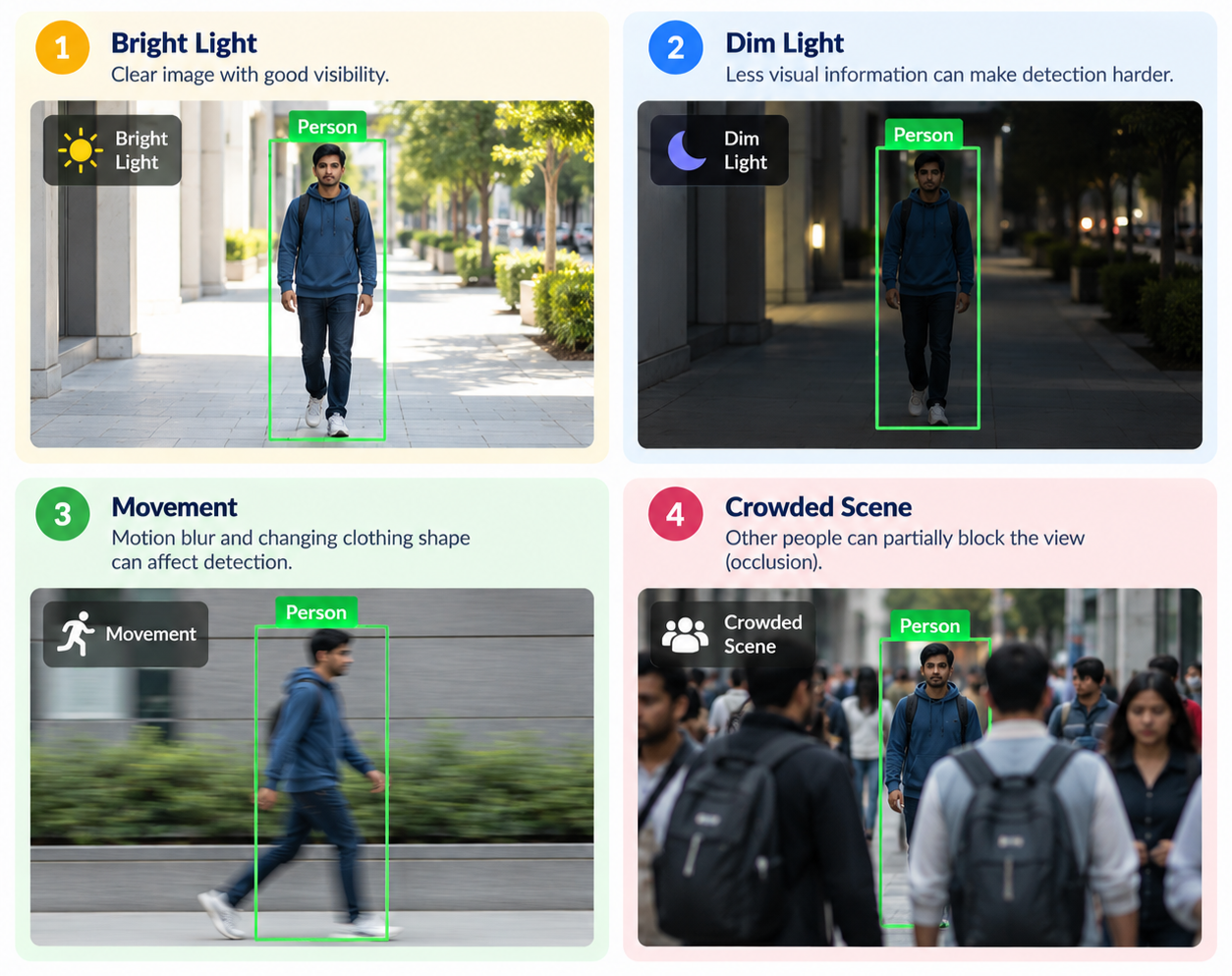
There may not be one fixed answer. AI performance depends on the combination of conditions.
AI Camera vs Human Vision
Humans use context. We understand that clothes wrinkle, people turn, shadows change and objects may temporarily block part of a body. An AI detector is more task-specific and can become less reliable when input conditions differ from the data used to train or evaluate it.
This does not make AI useless. It makes realistic testing important.
Building More Reliable AI Surveillance
The lesson is not that AI cameras should be abandoned. They should be tested under difficult, realistic conditions.
Testing can include different clothing patterns, colours, body positions, distances, camera angles, lighting conditions and crowded scenes. Security teams should also distinguish between person detection, facial recognition, tracking and behaviour analysis because these are different tasks. [6]
Most importantly, an automated alert should be treated as a prediction, not unquestionable truth. Important decisions should include appropriate human review.
A New Research Direction
Research is also moving beyond ordinary visible-light cameras. A 2026 CVPR paper explored adversarial clothing designed to affect both visible and infrared surveillance systems. At the same time, researchers continue to study ways of making models more robust against physical adversarial attacks.
This creates a continuing security cycle:
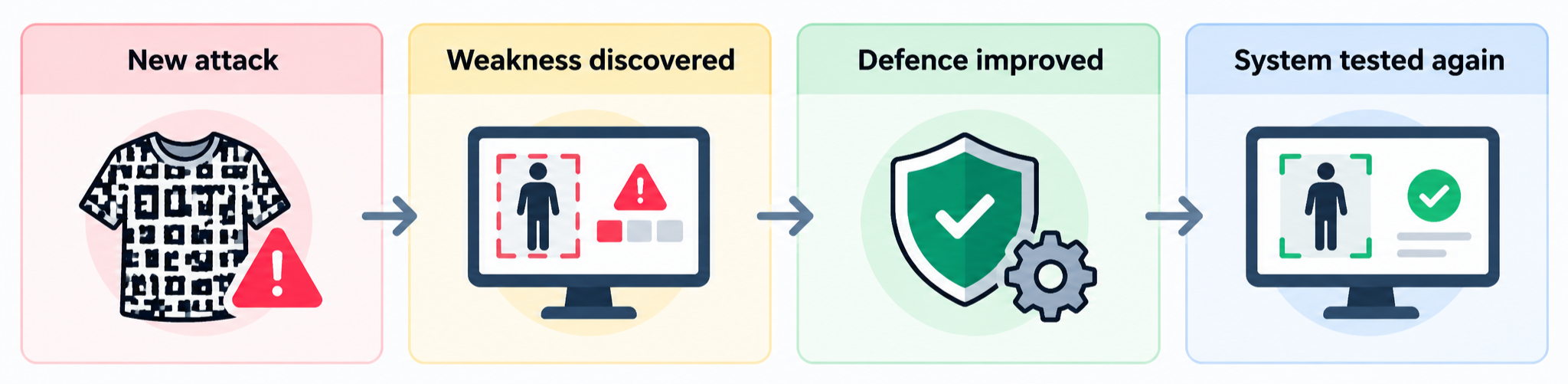
That cycle is a normal part of security research.

At a Glance: Human Vision vs AI Detection
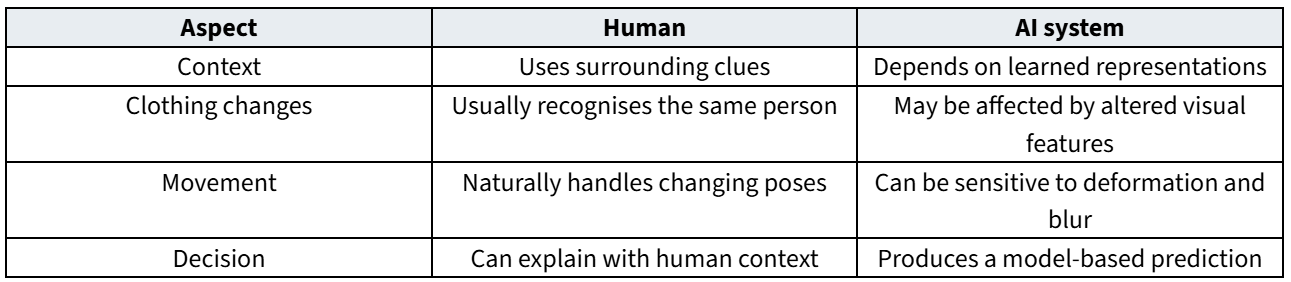
Conclusion
The idea of an “invisible T-shirt” is fascinating because it challenges a common assumption about AI: if a machine can see an image, we expect it to understand that image correctly.
A person can remain completely visible while a particular AI detector becomes less confident or makes a wrong prediction. Clothing patterns, texture, folds, movement, lighting, camera angle and other factors can interact with a model in unexpected ways. Research has demonstrated physical adversarial clothing against person detectors, while newer work is exploring more complex surveillance conditions.
The real lesson is not that a shirt can make someone invisible. AI vision is a prediction system with strengths and weaknesses. Understanding those weaknesses helps researchers build better defences, helps security teams evaluate systems realistically, and reminds us that automated surveillance should be deployed with technical care, human oversight and respect for privacy.
References
- The T-Shirt Invisibility Cloak
- YouTube video referenced for the article’s introductory example: https://www.youtube.com/watch?v=NyofHyRm5CQ
- Xu, K., Zhang, G., Liu, S., Fan, Q., Sun, M., Chen, H., Chen, P.-Y., Wang, Y., & Lin, X. (2020). Adversarial T-shirt! Evading Person Detectors in a Physical World. Computer Vision – ECCV 2020, 665–681. https://doi.org/10.1007/978-3-030-58558-7_39
- Study demonstrating a physical adversarial T-shirt against person detection and modelling non-rigid cloth deformation during movement. https://arxiv.org/abs/1910.11099
- Thys, S., Van Ranst, W., & Goedemé, T. (2019). Fooling Automated Surveillance Cameras: Adversarial Patches to Attack Person Detection. CVPR Workshops.
- Earlier work showing physical adversarial patches can reduce the accuracy of person detectors. https://openaccess.thecvf.com/content_CVPRW_2019/html/CV-COPS/Thys_Fooling_Automated_Surveillance_Cameras_Adversarial_Patches_to_Attack_Person_Detection_CVPRW_2019_paper.html
- Hu, Z., Huang, S., Zhu, X., Sun, F., Zhang, B., & Hu, X. (2022). Adversarial Texture for Fooling Person Detectors in the Physical World. Proceedings of the IEEE/CVF Conference on Computer Vision and Pattern Recognition (CVPR), 13307–13316.
- Study extending physical adversarial clothing to multiple viewing angles and garments including T-shirts, skirts and dresses. https://openaccess.thecvf.com/content/CVPR2022/html/Hu_Adversarial_Texture_for_Fooling_Person_Detectors_in_the_Physical_World_CVPR_2022_paper.html
- Long, J., Jiang, T., Liu, H., Ma, C., Zhou, W., Yang, Y., & Yao, W. (2026). Thermally Activated Dual-Modal Adversarial Clothing against AI Surveillance Systems. CVPR 2026.
- Recent work exploring adversarial clothing against visible and infrared surveillance systems. https://openaccess.thecvf.com/content/CVPR2026/html/Long_Thermally_Activated_Dual-Modal_Adversarial_Clothing_against_AI_Surveillance_Systems_CVPR_2026_paper.html
- Li, S., Zhang, S., Chen, G., Wang, D., Feng, P., Wang, J., Liu, A., Yi, X., & Liu, X. (2023). Towards Benchmarking and Assessing Visual Naturalness of Physical World Adversarial Attacks. Proceedings of the IEEE/CVF Conference on Computer Vision and Pattern Recognition (CVPR), 12324–12333.
- Useful context on physical adversarial attacks and the challenge of making them visually natural. https://openaccess.thecvf.com/content/CVPR2023/papers/Li_Towards_Benchmarking_and_Assessing_Visual_Naturalness_of_Physical_World_Adversarial_CVPR_2023_paper.pdf [6]

Introduction
In an era when misinformation spreads like wildfire across the digital landscape, the need for effective strategies to counteract these challenges has grown exponentially in a very short period. Prebunking and Debunking are two approaches for countering the growing spread of misinformation online. Prebunking empowers individuals by teaching them to discern between true and false information and acts as a protective layer that comes into play even before people encounter malicious content. Debunking is the correction of false or misleading claims after exposure, aiming to undo or reverse the effects of a particular piece of misinformation. Debunking includes methods such as fact-checking, algorithmic correction on a platform, social correction by an individual or group of online peers, or fact-checking reports by expert organisations or journalists. An integrated approach which involves both strategies can be effective in countering the rapid spread of misinformation online.
Brief Analysis of Prebunking
Prebunking is a proactive practice that seeks to rebut erroneous information before it spreads. The goal is to train people to critically analyse information and develop ‘cognitive immunity’ so that they are less likely to be misled when they do encounter misinformation.
The Prebunking approach, grounded in Inoculation theory, teaches people to recognise, analyse and avoid manipulation and misleading content so that they build resilience against the same. Inoculation theory, a social psychology framework, suggests that pre-emptively conferring psychological resistance against malicious persuasion attempts can reduce susceptibility to misinformation across cultures. As the term suggests, the MO is to help the mind in the present develop resistance to influence that it may encounter in the future. Just as medical vaccines or inoculations help the body build resistance to future infections by administering weakened doses of the harm agent, inoculation theory seeks to teach people fact from fiction through exposure to examples of weak, dichotomous arguments, manipulation tactics like emotionally charged language, case studies that draw parallels between truths and distortions, and so on. In showing people the difference, inoculation theory teaches them to be on the lookout for misinformation and manipulation even, or especially, when they least expect it.
The core difference between Prebunking and Debunking is that while the former is preventative and seeks to provide a broad-spectrum cover against misinformation, the latter is reactive and focuses on specific instances of misinformation. While Debunking is closely tied to fact-checking, Prebunking is tied to a wider range of specific interventions, some of which increase motivation to be vigilant against misinformation and others increase the ability to engage in vigilance with success.
There is much to be said in favour of the Prebunking approach because these interventions build the capacity to identify misinformation and recognise red flags However, their success in practice may vary. It might be difficult to scale up Prebunking efforts and ensure their reach to a larger audience. Sustainability is critical in ensuring that Prebunking measures maintain their impact over time. Continuous reinforcement and reminders may be required to ensure that individuals retain the skills and information they gained from the Prebunking training activities. Misinformation tactics and strategies are always evolving, so it is critical that Prebunking interventions are also flexible and agile and respond promptly to developing challenges. This may be easier said than done, but with new misinformation and cyber threats developing frequently, it is a challenge that has to be addressed for Prebunking to be a successful long-term solution.
Encouraging people to be actively cautious while interacting with information, acquire critical thinking abilities, and reject the effect of misinformation requires a significant behavioural change over a relatively short period of time. Overcoming ingrained habits and prejudices, and countering a natural reluctance to change is no mean feat. Developing a widespread culture of information literacy requires years of social conditioning and unlearning and may pose a significant challenge to the effectiveness of Prebunking interventions.
Brief Analysis of Debunking
Debunking is a technique for identifying and informing people that certain news items or information are incorrect or misleading. It seeks to lessen the impact of misinformation that has already spread. The most popular kind of Debunking occurs through collaboration between fact-checking organisations and social media businesses. Journalists or other fact-checkers discover inaccurate or misleading material, and social media platforms flag or label it. Debunking is an important strategy for curtailing the spread of misinformation and promoting accuracy in the digital information ecosystem.
Debunking interventions are crucial in combating misinformation. However, there are certain challenges associated with the same. Debunking misinformation entails critically verifying facts and promoting corrected information. However, this is difficult owing to the rising complexity of modern tools used to generate narratives that combine truth and untruth, views and facts. These advanced approaches, which include emotional spectrum elements, deepfakes, audiovisual material, and pervasive trolling, necessitate a sophisticated reaction at all levels: technological, organisational, and cultural.
Furthermore, It is impossible to debunk all misinformation at any given time, which effectively means that it is impossible to protect everyone at all times, which means that at least some innocent netizens will fall victim to manipulation despite our best efforts. Debunking is inherently reactive in nature, addressing misinformation after it has grown extensively. This reactionary method may be less successful than proactive strategies such as Prebunking from the perspective of total harm done. Misinformation producers operate swiftly and unexpectedly, making it difficult for fact-checkers to keep up with the rapid dissemination of erroneous or misleading information. Debunking may need continuous exposure to fact-check to prevent erroneous beliefs from forming, implying that a single Debunking may not be enough to rectify misinformation. Debunking requires time and resources, and it is not possible to disprove every piece of misinformation that circulates at any particular moment. This constraint may cause certain misinformation to go unchecked, perhaps leading to unexpected effects. The misinformation on social media can be quickly spread and may become viral faster than Debunking pieces or articles. This leads to a situation in which misinformation spreads like a virus, while the antidote to debunked facts struggles to catch up.
Prebunking vs Debunking: Comparative Analysis
Prebunking interventions seek to educate people to recognise and reject misinformation before they are exposed to actual manipulation. Prebunking offers tactics for critical examination, lessening the individuals' susceptibility to misinformation in a variety of contexts. On the other hand, Debunking interventions involve correcting specific false claims after they have been circulated. While Debunking can address individual instances of misinformation, its impact on reducing overall reliance on misinformation may be limited by the reactive nature of the approach.

CyberPeace Policy Recommendations for Tech/Social Media Platforms
With the rising threat of online misinformation, tech/social media platforms can adopt an integrated strategy that includes both Prebunking and Debunking initiatives to be deployed and supported on all platforms to empower users to recognise the manipulative messaging through Prebunking and be aware of the accuracy of misinformation through Debunking interventions.
- Gamified Inoculation: Tech/social media companies can encourage gamified inoculation campaigns, which is a competence-oriented approach to Prebunking misinformation. This can be effective in helping people immunise the receiver against subsequent exposures. It can empower people to build competencies to detect misinformation through gamified interventions.
- Promotion of Prebunking and Debunking Campaigns through Algorithm Mechanisms: Tech/social media platforms may promote and guarantee that algorithms prioritise the distribution of Prebunking materials to users, boosting educational content that strengthens resistance to misinformation. Platform operators should incorporate algorithms that prioritise the visibility of Debunking content in order to combat the spread of erroneous information and deliver proper corrections; this can eventually address and aid in Prebunking and Debunking methods to reach a bigger or targeted audience.
- User Empowerment to Counter Misinformation: Tech/social media platforms can design user-friendly interfaces that allow people to access Prebunking materials, quizzes, and instructional information to help them improve their critical thinking abilities. Furthermore, they can incorporate simple reporting tools for flagging misinformation, as well as links to fact-checking resources and corrections.
- Partnership with Fact-Checking/Expert Organizations: Tech/social media platforms can facilitate Prebunking and Debunking initiatives/campaigns by collaborating with fact-checking/expert organisations and promoting such initiatives at a larger scale and ultimately fighting misinformation with joint hands initiatives.
Conclusion
The threat of online misinformation is only growing with every passing day and so, deploying effective countermeasures is essential. Prebunking and Debunking are the two such interventions. To sum up: Prebunking interventions try to increase resilience to misinformation, proactively lowering susceptibility to erroneous or misleading information and addressing broader patterns of misinformation consumption, while Debunking is effective in correcting a particular piece of misinformation and having a targeted impact on belief in individual false claims. An integrated approach involving both the methods and joint initiatives by tech/social media platforms and expert organizations can ultimately help in fighting the rising tide of online misinformation and establishing a resilient online information landscape.
References
- https://mark-hurlstone.github.io/THKE.22.BJP.pdf
- https://futurefreespeech.org/wp-content/uploads/2024/01/Empowering-Audiences-Through-%E2%80%98Prebunking-Michael-Bang-Petersen-Background-Report_formatted.pdf
- https://newsreel.pte.hu/news/unprecedented_challenges_Debunking_disinformation
- https://misinforeview.hks.harvard.edu/article/global-vaccination-badnews/
Executive Summary
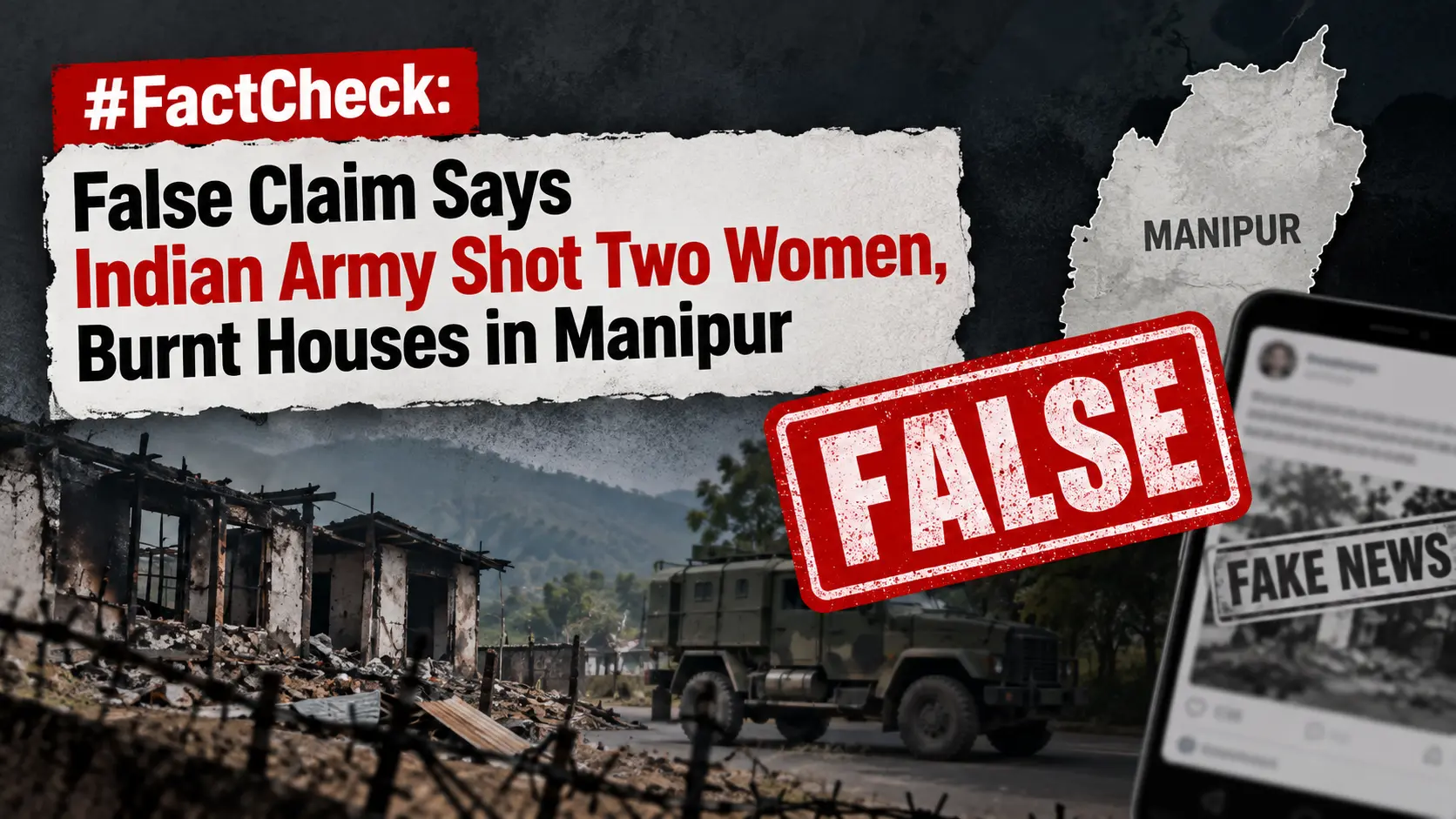
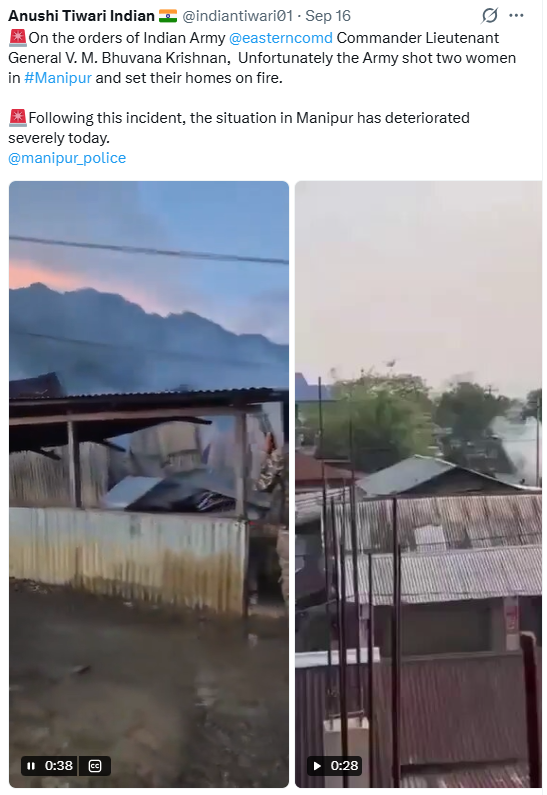
A claim is being shared on social media alleging that two women were shot dead and their homes were set on fire in Manipur. The post alleges that the Indian Army carried out the attack on the orders of Lieutenant General V. M. Bhuvana Krishnan, Commander of the Eastern Command. CyberPeace Research found the claim to be false. According to available reports, suspected militants attacked a hill village in Manipur’s Kangpokpi district. During an exchange of fire with security forces, the attackers set at least two houses on fire.
Claim:
The Indian Army, on the orders of Eastern Command Commander Lieutenant General V. M. Bhuvana Krishnan, shot two women in Manipur and set their homes on fire, following which the situation in the state deteriorated severely.
https://x.com/indiantiwari01/status/2100204995425743103?s=20
https://archive.ph/SOm7I
Fact Check
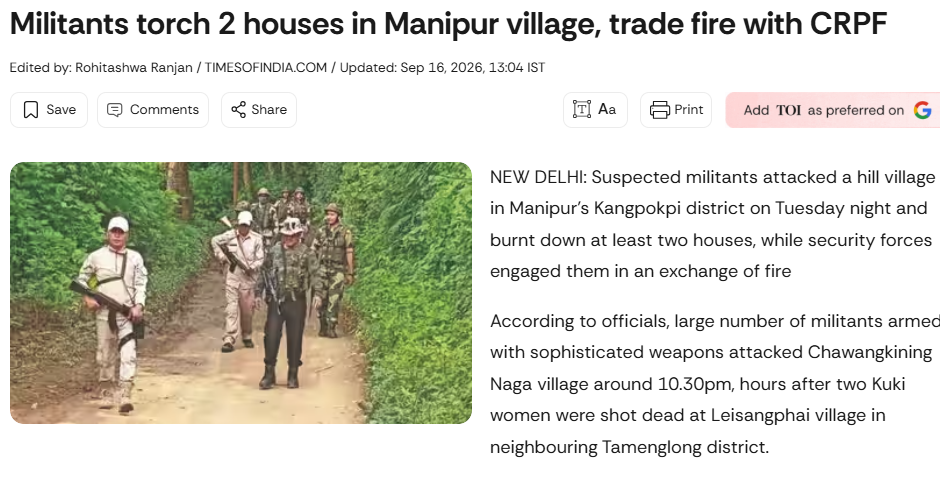
To verify the viral claim, we conducted a Google search using relevant keywords. During the search, we found a report published on The Times of India website on September 16, 2026. According to the report, suspected militants attacked a hill village in Manipur’s Kangpokpi district on Tuesday night and set at least two houses on fire. Security forces engaged the attackers in an exchange of fire during the incident.According to officials, a large number of militants armed with sophisticated weapons attacked Chawangkining Naga village at around 10:30 p.m. on Tuesday. The attack took place hours after two Kuki women were shot dead at Leisangphai village in neighbouring Tamenglong district.CRPF personnel deployed in the nearby area returned fire, triggering intermittent firing that continued for nearly six hours until around 4:30 a.m. on Wednesday.An official said, “Intermittent firing was reported for nearly six hours till 4:30 a.m. on Wednesday. The CRPF returned fire, preventing the militants from entering the village.” He added that two wooden houses on the outskirts of the village were nevertheless set ablaze.
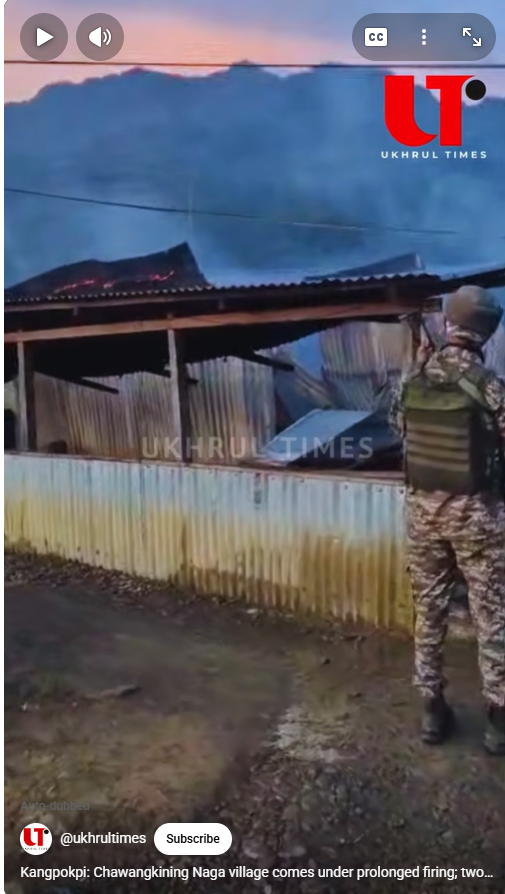
As part of our further investigation, we conducted a reverse image search of keyframes from the video. During the search, we found the visuals from the viral video on the YouTube channel of @ukhrultimes. According to the accompanying information, intermittent firing continued for nearly six hours in Chawangkining Naga village in Manipur’s Kangpokpi district on the night of September 15, 2026. During the incident, two houses on the outskirts of the village were completely burnt down, while several others were damaged.According to local reports, suspected militants targeted the village despite the deployment of CRPF personnel in the area and engaged in an exchange of fire with security forces. Meanwhile, the Liangmai Naga Council, Manipur (LNC-M), condemned the attack and alleged that suspected Kuki militants operating from the Songtung Suspension of Operations (SoO) camp were behind the firing. However, these allegations regarding the identity of the attackers should be reported as allegations and should not be presented as independently verified facts.
https://www.youtube.com/shorts/QuZ2FoLyA5A
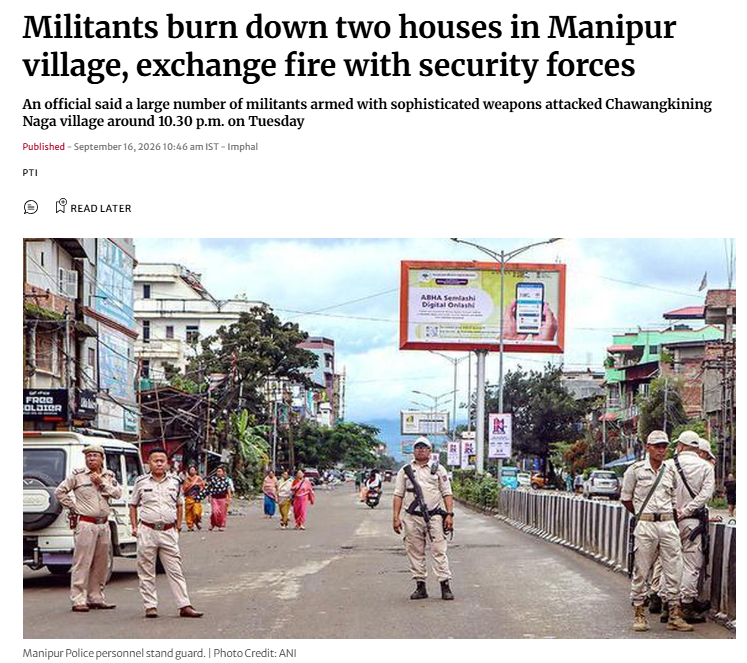
At the end of our investigation, we found a report published on The Hindu website on September 16, 2026. According to the report, officials said that suspected militants had attacked Chawangkining Naga village in Manipur’s Kangpokpi district. During the attack, they engaged in an exchange of fire with security forces and set at least two houses on the outskirts of the village on fire. The report quoted an official as saying that a large number of militants armed with sophisticated weapons attacked the village at around 10:30 p.m. on September 15. The incident took place hours after two Kuki women were shot dead in Leisangphai village in neighbouring Tamenglong district.
Conclusion
Our investigation revealed that separate incidents of the killing of two women and the burning of their houses in Manipur are being falsely shared on social media, claiming them to be actions taken by the Indian Army. According to available reports, on September 15, 2026, two Kuki women were shot dead by unidentified armed assailants in Leisangphai village, Tamenglong district. On the same night, suspected militants attacked Chawangkining Naga village, Kangpokpi district. Security forces exchanged fire, and two houses on the outskirts of the village were set on fire. No credible report has confirmed the links between these incidents and the orders of the Indian Army or Eastern Command Commander Lieutenant General V.M. Bhuvana Krishnan. Therefore, the claim that the Indian Army shot two women and set their houses on fire by linking the two incidents is false and misleading.
