
#FactCheck : Edited video falsely claims Dr. Vikas Divyakirti targeted Narendra Modi
Executive Summary
A video circulating on social media shows Dr. Vikas Divyakirti speaking during a podcast, where he is heard saying, “Those who cannot even memorise and speak four sentences are considered the greatest in India.” Several users are sharing the clip claiming that the remark was aimed at Narendra Modi. However, a research by CyberPeace found the claim to be misleading. The research revealed that the viral clip has been edited and shared out of context. In the original video, Divyakirti made the remarks in reference to film stars, not the Prime Minister.
Claim
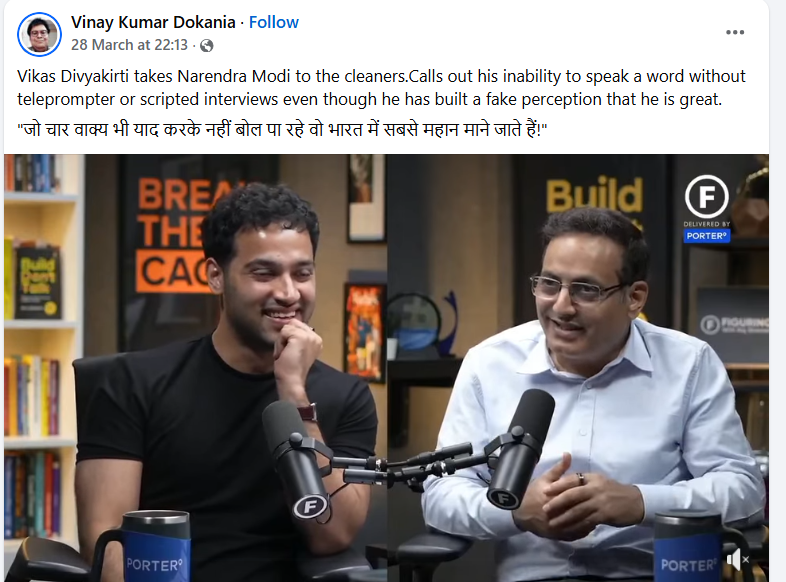
On Facebook, a user shared the viral clip with an English caption alleging that Divyakirti criticised Modi, saying he cannot speak without a teleprompter or scripted interviews and has built a false image of greatness.
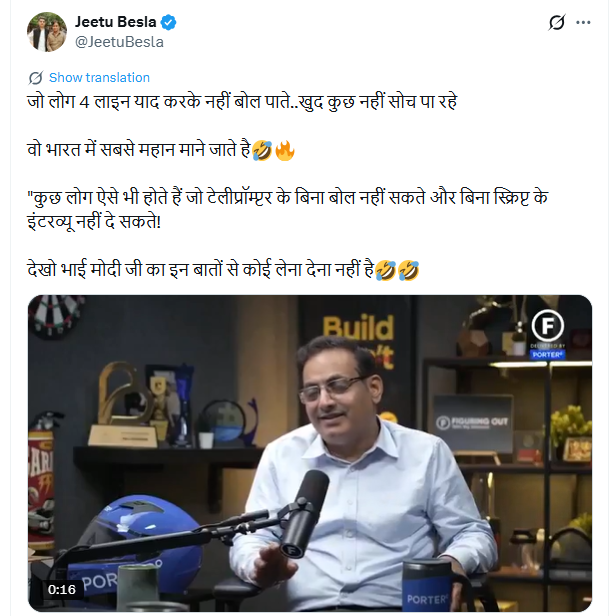
Similarly, another user shared the video on X, suggesting that people who cannot speak without a teleprompter are still considered great in India, indirectly linking the remark to Modi.
Fact Check
To verify the claim, we extracted keyframes from the viral video and conducted a reverse image search using Google Lens. This led us to the original video uploaded on the official YouTube channel of Raj Shamani.
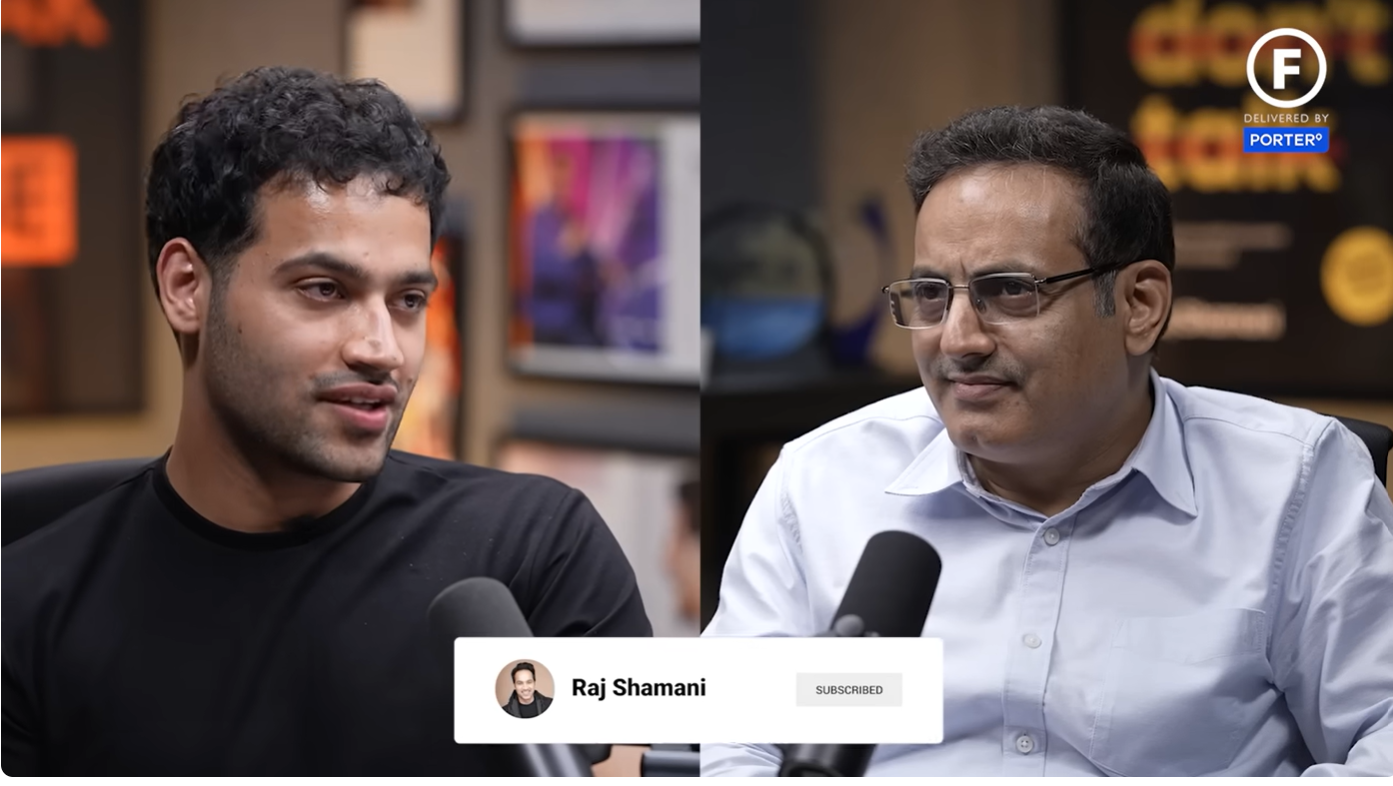
At around the 3:55 mark, the same clip can be seen. During the conversation, Shamani asks whether building a larger-than-life perception actually benefits an individual. Responding to this, Dr. Vikas Divyakirti explains that film stars often have an exaggerated public image. He notes that many of the dialogues they are praised for are not written by them, but by others, and some even rely on teleprompters while speaking. He further adds that there are individuals who cannot even memorise and deliver four sentences or think independently, yet are regarded as great in India. He also mentions that many social media personalities use teleprompters, but audiences remain unaware and assume they possess exceptional knowledge.
Conclusion
The viral claim is misleading. The video has been edited and shared out of context. Dr. Vikas Divyakirti was referring to film stars and social media personalities, not Narendra Modi.

Related Blogs

Executive Summary:
Amid the ongoing war involving the United States, Israel, and Iran, a video clip circulating on social media claims to show Iran unveiling a drone resembling the US B-2 stealth bomber. In the viral clip, an aircraft-like object can be seen emerging from a cave before taking off. Several users are sharing the video with the claim that Iran has deployed a B-2-style drone in the conflict.
However, research by the CyberPeace found that the viral video is not real and was generated using artificial intelligence. While the United States has reportedly used B-2 stealth bombers in strikes against Iran during the conflict, the viral clip does not show an actual Iranian drone.
Claim
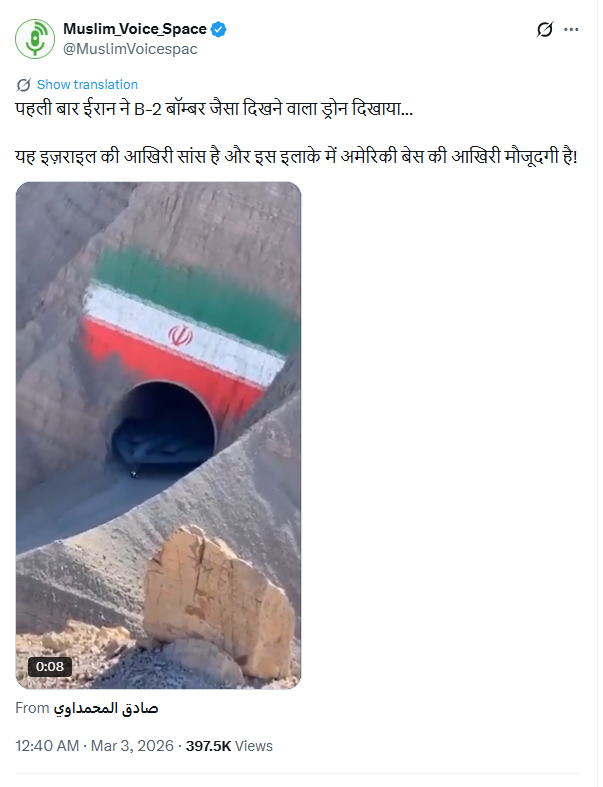
X user “Muslim_Voice_Space” posted the video on March 3, 2026, claiming that Iran had rolled out a drone resembling the B-2 bomber for use in the war.
Fact Check
To verify the claim, we first closely examined the viral video. In the opening moments of the clip, the wing of the alleged drone appears to hit the side of the cave while exiting. Despite the apparent collision, the aircraft continues flying smoothly without any visible damage. This unusual detail raised doubts about the authenticity of the footage.
We then analyzed the video using the AI detection tool Hive Moderation, which flagged the clip as likely AI-generated.

Further analysis using the Sightengine AI detection tool also suggested that the video was artificially created. The tool estimated a 75% probability that the footage was generated using AI. It also indicated a 70% likelihood that the clip may have been created using Sora, an AI video-generation tool.

Conclusion
The viral video claiming to show an Iranian drone resembling the US B-2 stealth bomber emerging from a cave is not authentic. Analysis indicates that the clip was created using AI tools and is being misleadingly shared in the context of the ongoing conflict.
Executive Summary
A picture allegedly showing Sunrisers Hyderabad (SRH) owner Kavya Maran emotionally hugging young cricketer Vaibhav Suryavanshi has gone viral on social media. The image is being shared as a genuine photograph from a cricket-related event, with users claiming that Kavya Maran was seen embracing Vaibhav Suryavanshi. However, CyberPeace Research Wing research found the claim to be false. No credible news reports, official statements, or authentic photographs support the incident depicted in the viral image.
Claim
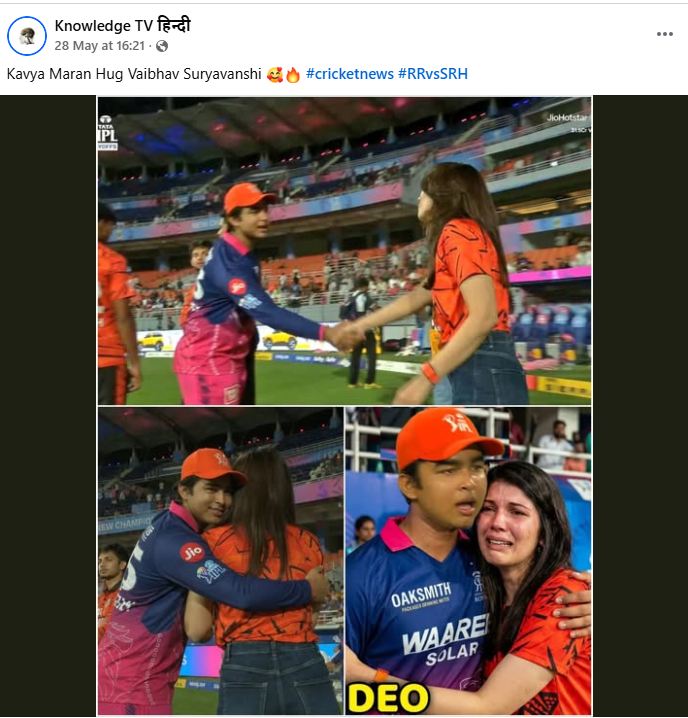
A Facebook user shared the viral image with the caption: “Kavya Maran Hug Vaibhav Suryavanshi 🥰🔥 #cricketnews #RRvsSRH” The link to the post and its screenshot are provided below.
Fact Check
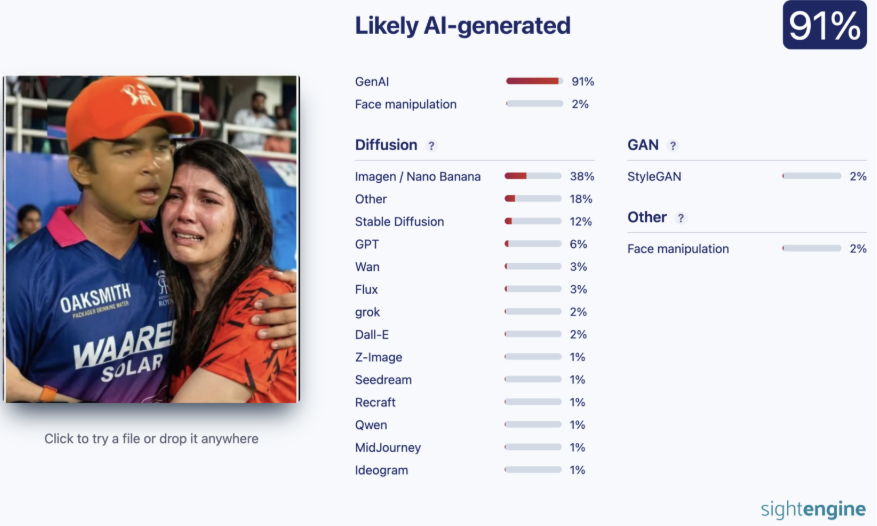
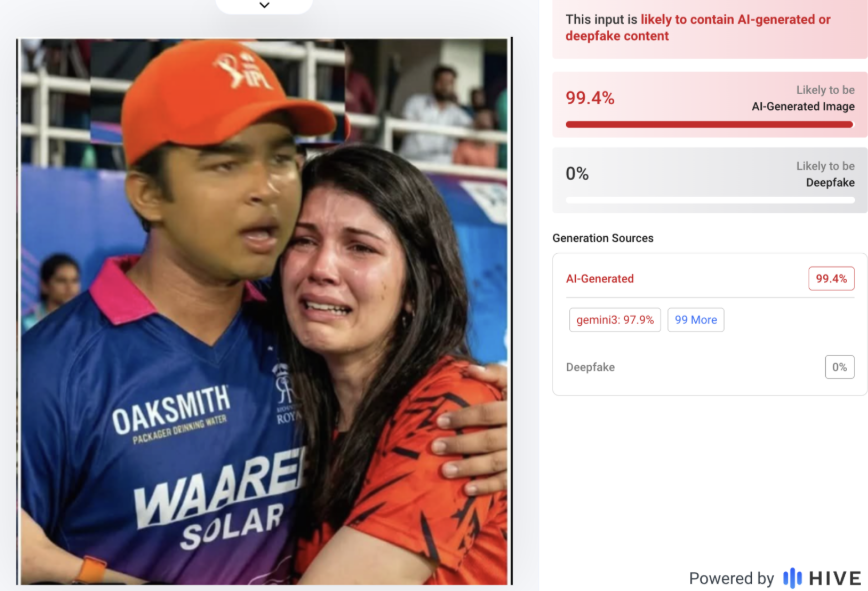
During the research, we found no credible news reports, official statements, or authentic images confirming that Kavya Maran hugged Vaibhav Suryavanshi as shown in the viral picture. To further verify the image, it was analysed using AI detection tools, including Sightengine and Hive Moderation. Both tools indicated a high probability that the image was generated using Artificial Intelligence. The findings suggest that the viral photograph is not a genuine image captured at a real event but a digitally created visual.
Conclusion
Our research found that the viral image showing Kavya Maran emotionally hugging Vaibhav Suryavanshi is not authentic. The picture was generated using AI and does not depict a real incident.
Executive Summery
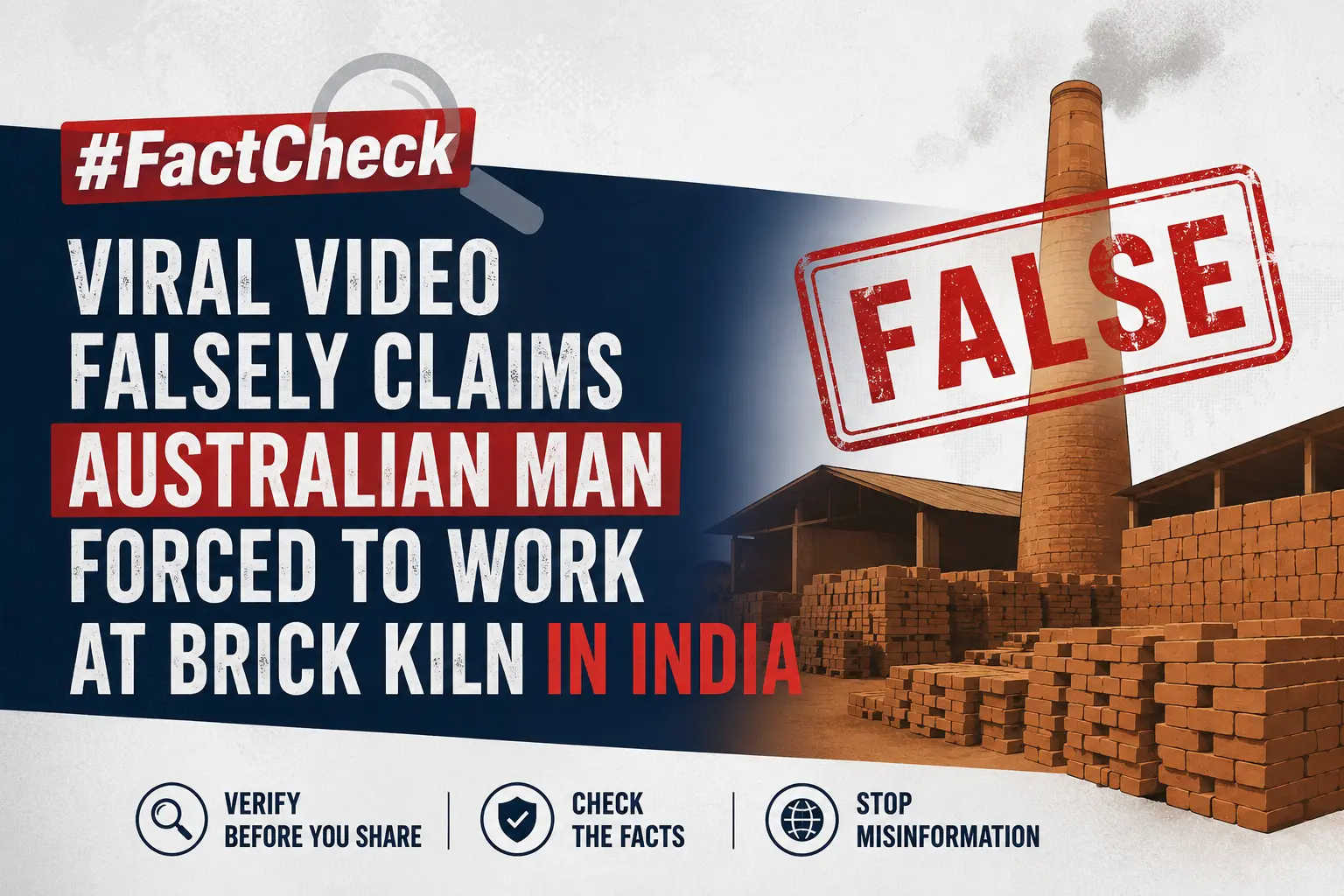
A video is being widely shared on social media claiming that a man seen working at a brick kiln is an Australian citizen named “Anderson.” The claim states that he lost his passport and all his belongings after a theft in Agra, following which he was forced to work at a brick kiln for survival. Social media users are circulating the video as a shameful incident and are also appealing for the return of his stolen passport and belongings so that he can safely return to his country. CyberPeace Research Wing research found that the viral story is completely false and fabricated. For verification, we first conducted a keyword-based search on Google, but did not find any credible news report or media coverage supporting such an incident. Had this event been true, it would have certainly been reported by mainstream media outlets.
Claim
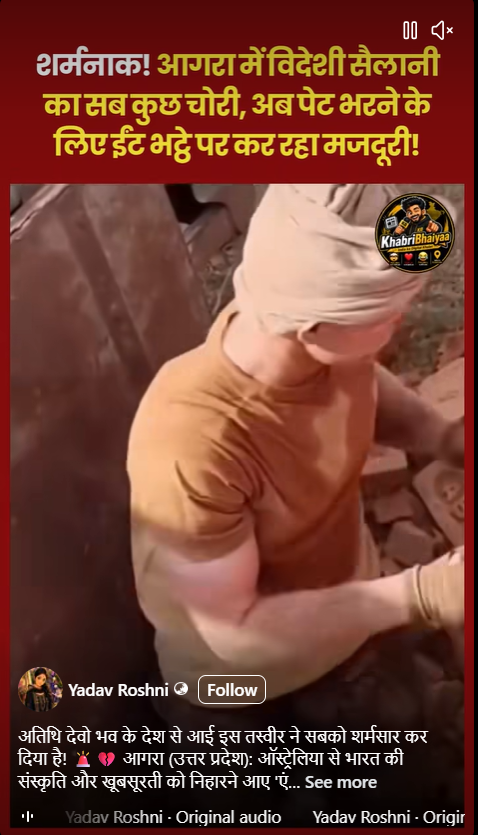
Facebook user ‘Yadav Roshni’ posted a video on June 23, 2026 (archive link) along with a caption claiming that an Australian tourist named “Anderson” visited Agra (Uttar Pradesh) to explore India’s culture and heritage, but was allegedly robbed during his visit. The post claims that thieves stole his passport, money, and all his belongings, leaving him helpless in a foreign country It further alleges that after losing everything, the tourist was forced to work as a labourer at a brick kiln to survive. The post describes the incident as shameful and appeals to users to widely share the video so that it reaches authorities, and requests that whoever stole his belongings return them so that he can safely return to his home country.
https://www.facebook.com/reel/1001213176107998 , https://perma.cc/MB8S-ZD24?type=standard
Fact Check
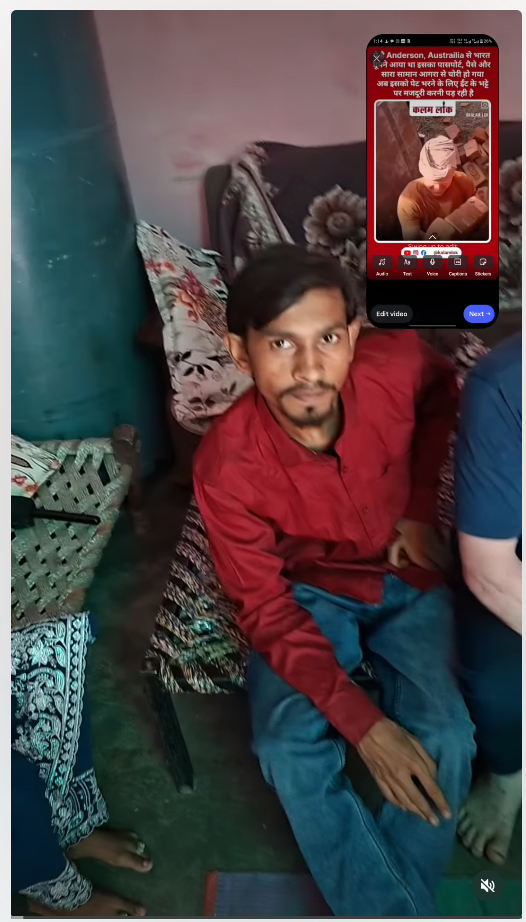
We then extracted keyframes from the viral video and performed a Google Lens search. This led us to an Instagram video posted by user sahildeshwal7500 on June 25, 2026. In this video, the person seen in the viral clip is identified as a resident of Katha village in Baghpat, Uttar Pradesh, named Sahil Deshwal. He himself clarifies in the video that the viral claim is false and that his footage was misused and shared with a fake narrative.
https://www.instagram.com/reels/DaAEB7wJkG-/
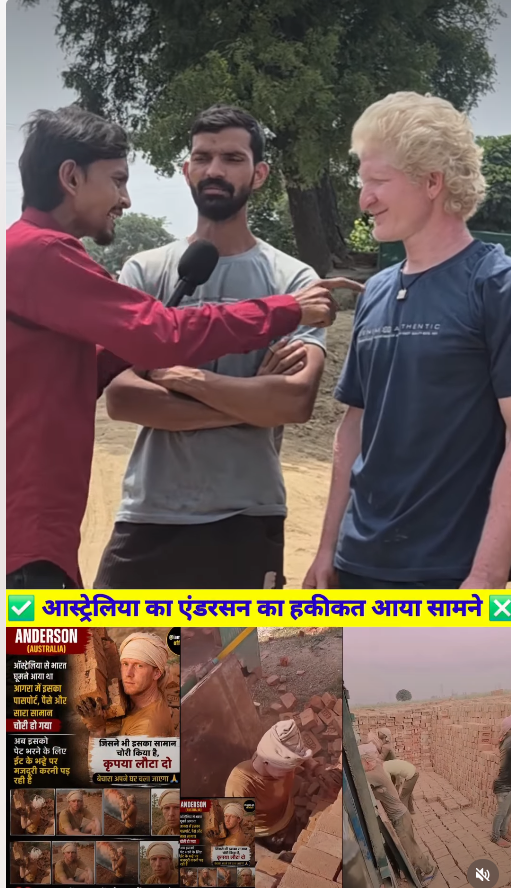
Further, another Instagram user dipendrakiduniya also posted clarification on June 25, 2026. In the video, the same individual and his brother clearly deny the “Anderson” identity claim and confirm that the viral story is completely false. They state that he is an Indian labourer working at a brick kiln in Baghpat.
https://www.instagram.com/reels/DaAZgXtjaYI/
Conclusion
The viral claim that an Australian citizen named Anderson lost his passport and belongings in Agra and was forced to work at a brick kiln is completely false. The person seen in the video is a resident of Baghpat, Uttar Pradesh. The story circulating on social media is fabricated and misleading.
