
#FactCheck: Claim of Rs 1,000 Notes Returning to Circulation Is False; RBI Has Issued No New Notes
Executive Summary
An image of an alleged new Rs 1,000 note is going viral on social media, with claims that the note has been introduced in the market. Some social media users are sharing the image, believing the claim to be true. CyberPeace Research found the claim to be false. The image of the Rs 1,000 note being shared with the claim is also fake and has been created using editing tools. The Reserve Bank of India (RBI) has not issued any such note.
Claim:
Facebook user ‘Faiqa Khan’ posted an image on October 29, 2026, claiming, “Everyone is left stunned after seeing the new Rs 1,000 note.”
https://www.facebook.com/photo/?fbid=122128132269474033&set=a.122094997437474033

Fact Check
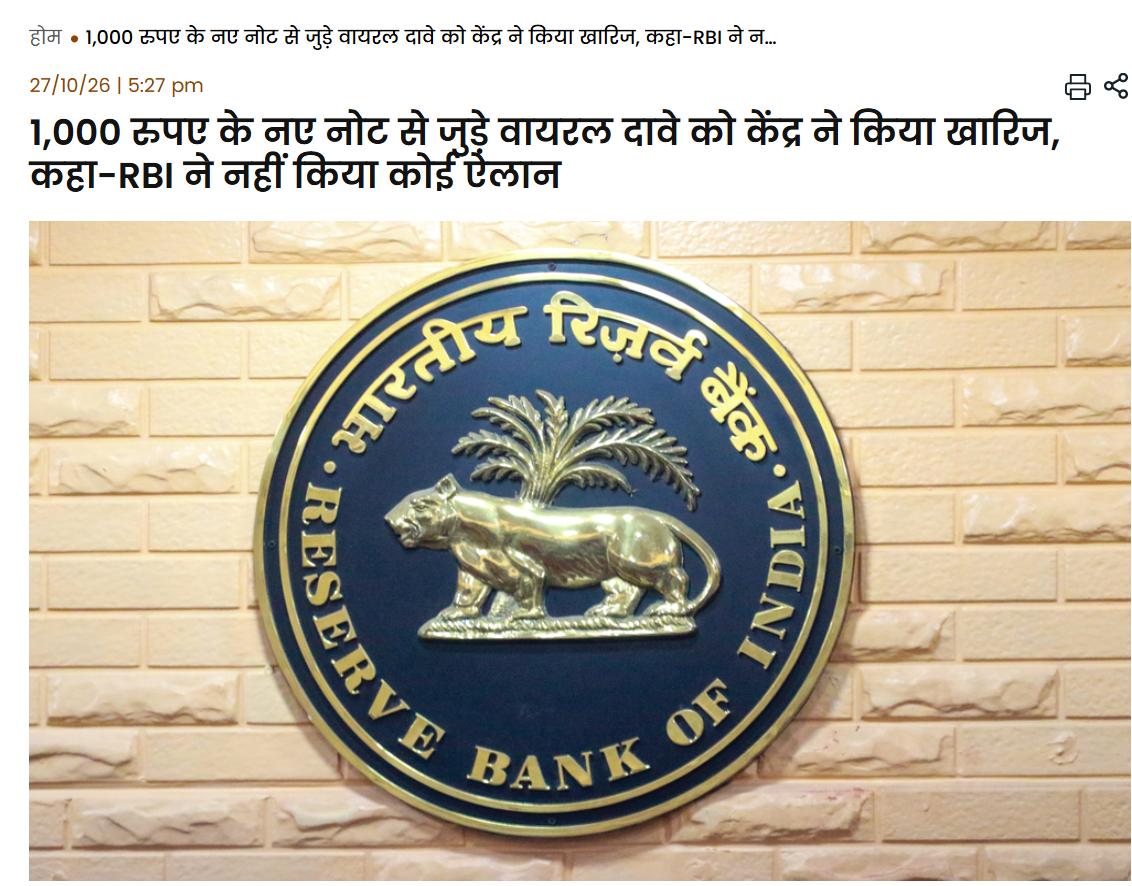
If the Reserve Bank of India had issued a new currency note, it would have been major news. To verify the claim, we searched Google using relevant keywords. During the search, we found a report on the Doordarshan website stating that the Central Government had dismissed the viral claim about a new Rs 1,000 note. The report also stated that the RBI had made no such announcement. The report was published on October 27, 2026. https://ddnews.gov.in/centre-dismisses-viral-claim-regarding-new-%E2%82%B91000-note-states-that-the-rbi-has-made-no-such-announcement/
Taking our research forward, we examined the Reserve Bank of India’s website. Following the announcement of demonetisation in 2016, the RBI discontinued the old Rs 500 and Rs 1,000 notes and introduced new currency notes of Rs 500 and Rs 2,000. The RBI website provides detailed information about all the new series of currency notes issued after demonetisation. It also features details of both the old and new series of notes. Following demonetisation, the RBI issued new series of Rs 10, Rs 20, Rs 50, Rs 100, Rs 200, Rs 500 and Rs 2,000 notes. Of these, the Rs 2,000 notes have since been withdrawn from circulation.
https://paisaboltahai.rbi.org.in/

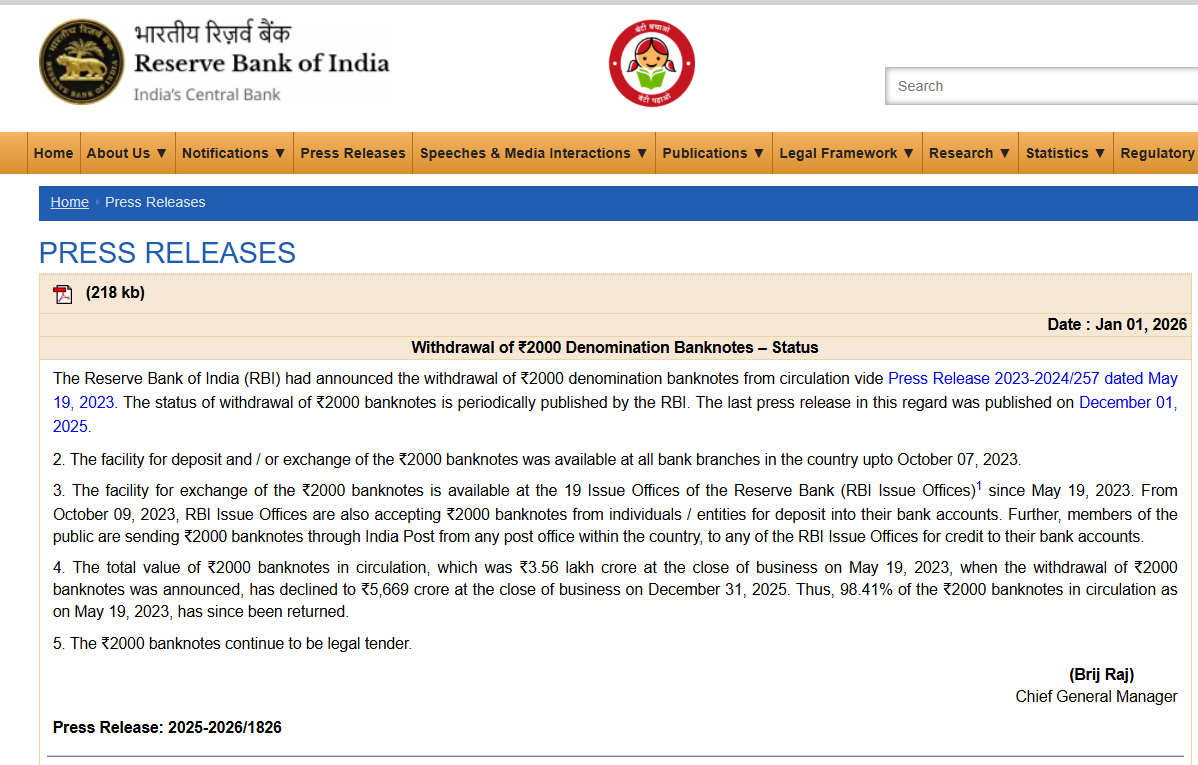
According to a press release dated January 1, 2026, the Rs 2,000 banknotes were withdrawn from circulation in 2025 but continue to remain legal tender.
https://www.rbi.org.in/Scripts/BS_PressReleaseDisplay.aspx?prid=61942
Conclusion
Our research found the viral post to be false. The image being shared as that of a new Rs 1,000 note is fake.

Related Blogs
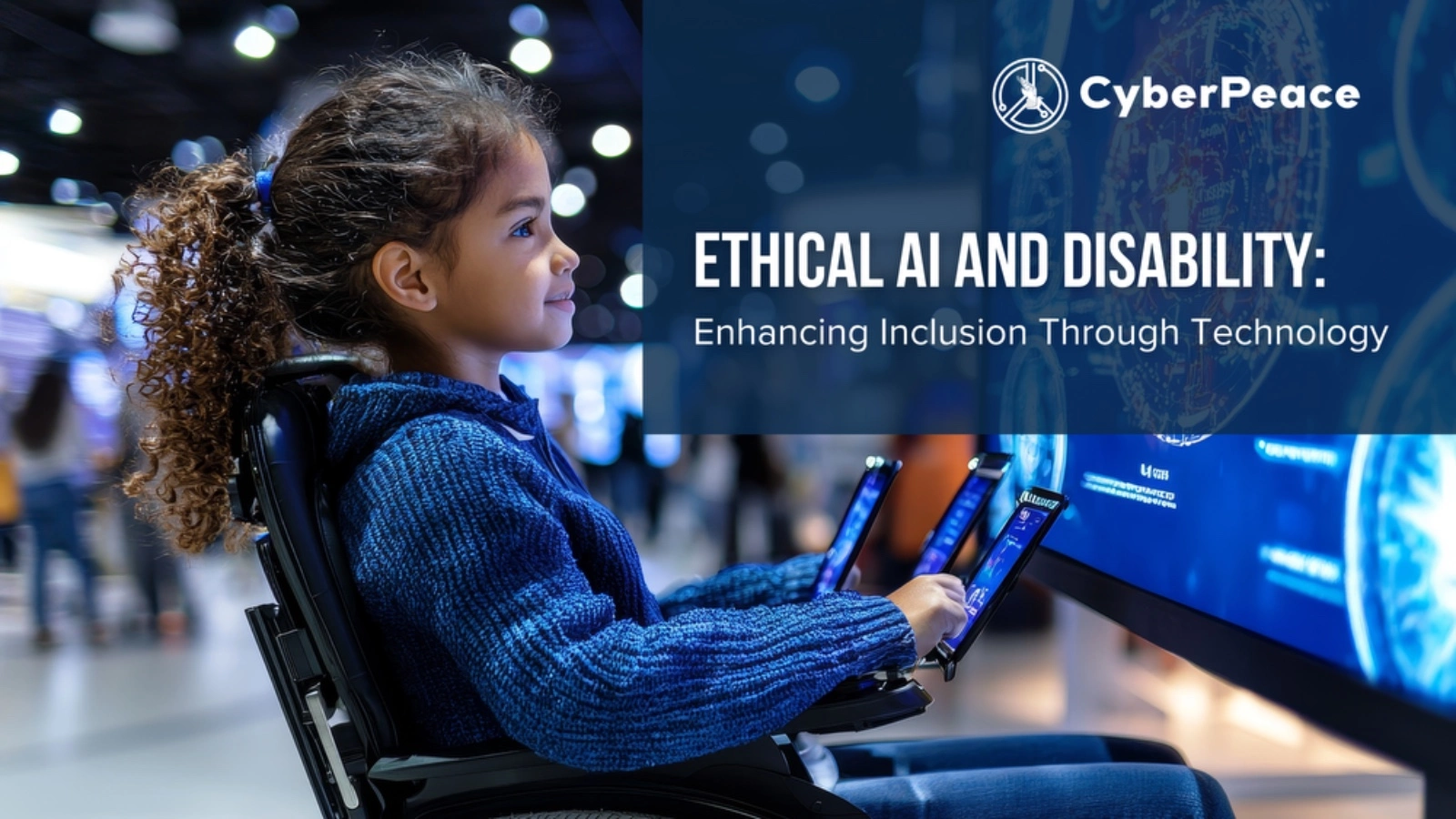
AI systems have grown in both popularity and complexity on which they operate. They are enhancing accessibility for all, including people with disabilities, by revolutionising sectors including healthcare, education, and public services. We are at the stage where AI-powered solutions that can help people with mental, physical, visual or hearing impairments perform everyday and complex tasks are being created.
Generative AI is now being used to amplify human capability. The development of tools for speech-to-text and image recognition is helping in facilitating communication and interaction for visually or hearing-impaired individuals, and smart prosthetics are providing tailored support. Unfortunately, even with these developments, PWDs have continued to face challenges. Therefore, it is important to balance innovation with ethical considerations aand ensuring that these technologies are designed with qualities like privacy, equity, and inclusivity in mind.
Access to Tech: the Barriers Faced by PWDs
PWDs face several barriers while accessing technology. Identifying these challenges is important as they lack computer accessibility, in the use of hardware and software, which has become a norm in life nowadays. Website functions that only work when users click with a mouse, self-service kiosks without accessibility features, touch screens without screen reader software or tactile keyboards, and out-of-order equipment, such as lifts, captioning mirrors and description headsets, are just some difficulties that they face in their day-to-day life.
While they are helpful, much of the current technology doesn’t fully address all disabilities. For example, many assistive devices focus on visual or mobility impairments, but they fall short of addressing cognitive or sensory conditions. In addition to this, these solutions often lack personalisation, making them less effective for individuals with diverse needs. AI has significant potential to bridge this gap. With adaptive systems like voice assistants, real-time translation, and personalised features, AI can create more inclusive solutions, improving access to both digital and physical spaces for everyone.
The Importance of Inclusive AI Design
Creating an Inclusive AI design is important. It ensures that PWDs are not excluded from technological advancements because of the impairments that they are suffering from. The concept of an ‘inclusive or universal’ design promotes creating products and services that are usable for the widest possible range of people. Tech Developers have an ethical responsibility to create advancements in AI that serve everyone. Accessibility features should be built into the core design. They should be treated as a practice rather than an afterthought. However, bias in AI development often stems from data of a non-representative nature, or assumptions can lead to systems that overlook or poorly serve PWDs. If AI algorithms are trained on limited or biased data, they risk excluding marginalised groups, making ethical, inclusive design a necessity for equity and accessibility.
Regulatory Efforts to Ensure Accessible AI
In India, the Rights of Persons with Disabilities Act of 2016 impresses upon the need to provide PWDs with equal accessibility to technology. Subsequently, the DPDP Act of 2023 highlights data privacy concerns for the disabled under section 9 to process their data.
On the international level, the newly incorporated EU’s AI Act mandates measures for transparent, safe, and fair access to AI systems along with including measures that are related to accessibility.
In the US, the Americans with Disabilities Act of 1990 and Section 508 of the 1998 amendment to the Rehabilitation Act of 1973 are the primary legislations that work on promoting digital accessibility in public services.
Challenges in implementing Regulations for AI Accessibility for PWDs
Defining the term ‘inclusive AI’ is a challenge. When working on implementing regulations and compliance for the accessibility of AI, if the primary work is left undefined, it makes the task of creating tools to address the issue an issue. The rapid pace of tech and AI development has more often outpaced legal frameworks in development. This leads to the creation of enforcement gaps. Countries like Canada and tech industry giants like Microsoft and Google are leading forces behind creating accessible AI innovations. Their regulatory frameworks focus on developing AI ethics with inclusivity and collaboration with disability rights groups.
India’s efforts in creating an inclusive AI include the redesign of the Sugamya Bharat app. The app had been created to assist PWDs and the elderly. It will now be incorporating AI features specifically to assist the intended users.
Though AI development has opportunities for inclusivity, unregulated development can be risky. Regulation plays a critical role in ensuring that AI-driven solutions prioritise inclusivity, fairness, and accessibility, harnessing AI’s potential to empower PWDs and contribute to a more inclusive society.
Conclusion
AI development can offer PWDs unprecedented independence and accessibility in leading their lives. The development of AI while keeping inclusivity and fairness in mind is needed to be prioritised. AI that is free from bias, combined with robust regulatory frameworks, together are essential in ensuring that AI serves equitably. Collaborations between tech developers, policymakers, and disability advocates need to be supported and promoted to build AI systems. This will in turn work towards bridging the accessibility gaps for PWDs. As AI continues to evolve, maintaining a steadfast commitment to inclusivity will be crucial in preventing marginalisation and advancing true technological progress for all.
References
- https://www.business-standard.com/india-news/over-1-4k-accessibility-related-complaints-filed-on-govt-app-75-solved-124090800118_1.html
- https://www.forbes.com/councils/forbesbusinesscouncil/2023/06/16/empowering-individuals-with-disabilities-through-ai-technology/ .
- https://hbr.org/2023/08/designing-generative-ai-to-work-for-people-with-disabilities
- Thehttps://blogs.microsoft.com/on-the-issues/2018/05/07/using-ai-to-empower-people-with-disabilities/andensur,personalization

Introduction
In today’s time, everything is online, and the world is interconnected. Cases of data breaches and cyberattacks have been a reality for various organisations and industries, In the recent case (of SAS), Scandinavian Airlines experienced a cyberattack that resulted in the exposure of customer details, highlighting the critical importance of preventing customer privacy. The incident is a wake-up call for Airlines and businesses to evaluate their cyber security measures and learn valuable lessons to safeguard customers’ data. In this blog, we will explore the incident and discuss the strategies for protecting customers’ privacy in this age of digitalisation.
Analysing the backdrop
The incident has been a shocker for the aviation industry, SAS Scandinavian Airlines has been a victim of a cyberattack that compromised consumer data. Let’s understand the motive of cyber crooks and the technique they used :
Motive Behind the Attack: Understanding the reasons that may have driven the criminals is critical to comprehending the context of the Scandinavian Airlines cyber assault. Financial gain, geopolitical conflicts, activism, or personal vendettas are common motivators for cybercriminals. Identifying the purpose of the assault can provide insight into the attacker’s aims and the possible impact on both the targeted organisation and its consumers. Understanding the attack vector and strategies used by cyber attackers reveals the amount of complexity and possible weaknesses in an organisation’s cybersecurity defences. Scandinavian Airlines’ cyber assault might have included phishing, spyware, ransomware, or exploiting software weaknesses. Analysing these tactics allows organisations to strengthen their security against similar assaults.
Impact on Victims: The Scandinavian Airlines (SAS) cyber attack victims, including customers and individuals related to the company, have suffered substantial consequences. Data breaches and cyber-attack have serious consequences due to the leak of personal information.
1)Financial Losses and Fraudulent Activities: One of the most immediate and upsetting consequences of a cyber assault is the possibility of financial loss. Exposed personal information, such as credit card numbers, can be used by hackers to carry out illegal activities such as unauthorised transactions and identity theft. Victims may experience financial difficulties and the need to spend time and money resolving these concerns.
2)Concerns about privacy and personal security: A breach of personal data can significantly impact the privacy and personal security of victims. The disclosed information, including names, addresses, and contact information, might be exploited for nefarious reasons, such as targeted phishing or physical harassment. Victims may have increased anxiety about their safety and privacy, which can interrupt their everyday life and create mental pain.
3) Reputational Damage and Trust Issues: The cyber attack may cause reputational harm to persons linked with Scandinavian Airlines, such as workers or partners. The breach may diminish consumers’ and stakeholders’ faith in the organisation, leading to a bad view of its capacity to protect personal information. This lack of trust might have long-term consequences for the impacted people’s professional and personal relationships.
4) Emotional Stress and Psychological Impact: The psychological impact of a cyber assault can be severe. Fear, worry, and a sense of violation induced by having personal information exposed can create emotional stress and psychological suffering. Victims may experience emotions of vulnerability, loss of control, and distrust toward digital platforms, potentially harming their overall quality of life.
5) Time and Effort Required for Remediation: Addressing the repercussions of a cyber assault demands significant time and effort from the victims. They may need to call financial institutions, reset passwords, monitor accounts for unusual activity, and use credit monitoring services. Resolving the consequences of a data breach may be a difficult and time-consuming process, adding stress and inconvenience to the victims’ lives.
6) Secondary Impacts: The impacts of an online attack could continue beyond the immediate implications. Future repercussions for victims may include trouble acquiring credit or insurance, difficulties finding future work, and continuous worry about exploiting their personal information. These secondary effects can seriously affect victims’ financial and general well-being.
Apart from this, the trust lost would take time to rebuild.

Takeaways from this attack
The cyber-attack on Scandinavian Airlines (SAS) is a sharp reminder of cybercrime’s ever-present and increasing menace. This event provides crucial insights that businesses and people may use to strengthen cybersecurity defences. In the lessons that were learned from the Scandinavian Airlines cyber assault and examine the steps that may be taken to improve cybersecurity and reduce future risks. Some of the key points that can be considered are as follows:
Proactive Risk Assessment and Vulnerability Management: The cyber assault on Scandinavian Airlines emphasises the significance of regular risk assessments and vulnerability management. Organisations must proactively identify and fix possible system and network vulnerabilities. Regular security audits, penetration testing, and vulnerability assessments can help identify flaws before bad actors exploit them.
Strong security measures and best practices: To guard against cyber attacks, it is necessary to implement effective security measures and follow cybersecurity best practices. Lessons from the Scandinavian Airlines cyber assault emphasise the importance of effective firewalls, up-to-date antivirus software, secure setups, frequent software patching, and strong password rules. Using multi-factor authentication and encryption technologies for sensitive data can also considerably improve security.
Employee Training and Awareness: Human mistake is frequently a big component in cyber assaults. Organisations should prioritise employee training and awareness programs to educate employees about phishing schemes, social engineering methods, and safe internet practices. Employees may become the first line of defence against possible attacks by cultivating a culture of cybersecurity awareness.
Data Protection and Privacy Measures: Protecting consumer data should be a key priority for businesses. Lessons from the Scandinavian Airlines cyber assault emphasise the significance of having effective data protection measures, such as encryption and access limits. Adhering to data privacy standards and maintaining safe data storage and transfer can reduce the risks connected with data breaches.
Collaboration and Information Sharing: The Scandinavian Airlines cyber assault emphasises the need for collaboration and information sharing among the cybersecurity community. Organisations should actively share threat intelligence, cooperate with industry partners, and stay current on developing cyber threats. Sharing information and experiences can help to build the collective defence against cybercrime.
Conclusion
The Scandinavian Airlines cyber assault is a reminder that cybersecurity must be a key concern for organisations and people. Organisations may improve their cybersecurity safeguards, proactively discover vulnerabilities, and respond effectively to prospective attacks by learning from this occurrence and adopting the lessons learned. Building a strong cybersecurity culture, frequently upgrading security practices, and encouraging cooperation within the cybersecurity community are all critical steps toward a more robust digital world. We may aim to keep one step ahead of thieves and preserve our important information assets by constantly monitoring and taking proactive actions.

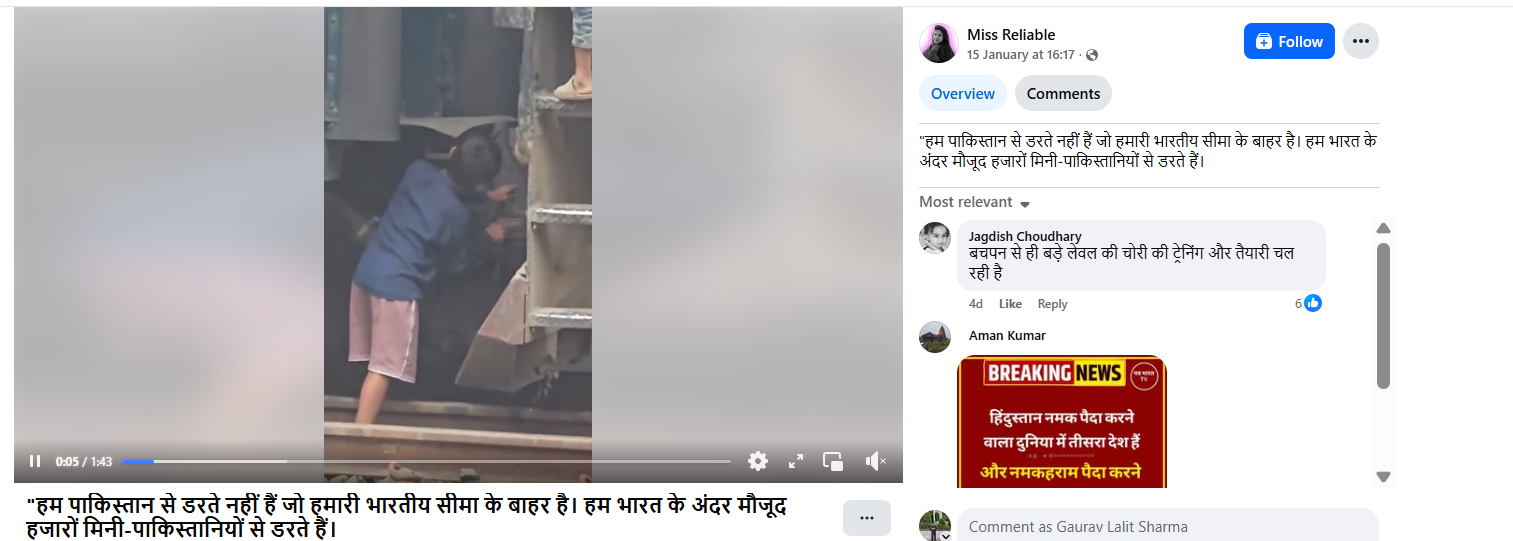
A video circulating widely on social media shows a child throwing stones at a moving train, while a few other children can also be seen climbing onto the engine. The video is being shared with a communal narrative, with claims that the incident took place in India.
Cyber Peace Foundation’s research found the viral claim to be misleading. Our research revealed that the video is not from India, but from Bangladesh, and is being falsely linked to India on social media.
Claim:
On January 15, 2026, a Facebook user shared the viral video claiming it depicted an incident from India. The post carried a provocative caption stating, “We are not afraid of Pakistan outside our borders. We are afraid of the thousands of mini-Pakistans within India.” The post has been widely circulated, amplifying communal sentiments.
Fact Check:
To verify the authenticity of the video, we conducted a reverse image search using Google Lens by extracting keyframes from the viral clip. During this process, we found the same video uploaded on a Bangladeshi Facebook account named AL Amin Babukhali on December 28, 2025. The caption of the original post mentions Kamalapur, which is a well-known railway station in Bangladesh. This strongly indicates that the incident did not occur in India.
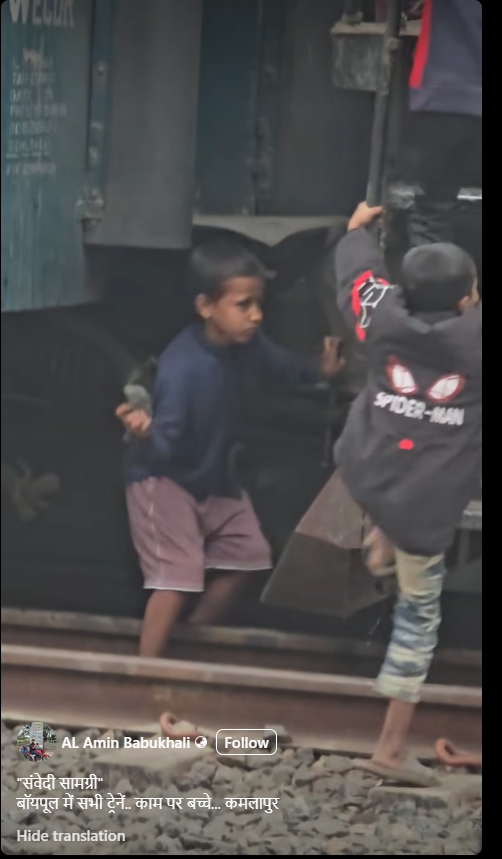
Further analysis of the video shows that the train engine carries the marking “BR”, along with text written in the Bengali language. “BR” stands for Bangladesh Railways, confirming the origin of the train. To corroborate this further, we searched for images related to Bangladesh Railways using Google’s open tools. We found multiple images on Getty Images showing train engines with the same design and markings as seen in the viral video. The visual match clearly establishes that the train belongs to Bangladesh Railways.

Conclusion
Our research confirms that the viral video is from Bangladesh, not India. It is being shared on social media with a false and misleading claim to give it a communal angle and link it to India.
