
CyberPeace Analysis | India’s Cybercrime Surge Signals a Growing Digital Security Challenge | An Assessment Based on Rajya Sabha Proceedings and MHA Data
Introduction
The trajectory of India's digital economy is growing at an unprecedented rate, and so is India's cybercrime ecosystem. Parliamentary data tabled before the Rajya Sabha in May 2024 by the MHA suggests an overwhelming 900% growth in cybercrime complaints from 2021 to '25, while annual losses crossed 22,800 crore in 2024. The structural issues like the low victim restitution rate, the lack of forensic infrastructure, issues of jurisdiction related to offshore fraud factories targeting Indian citizens, and the huge disparity in awareness levels amongst India's youngest online citizens continue to exist. This brief brings out the clear trends in cybercrime, the role of institutional mechanisms in its prevention and response, failure points, and recommends appropriate policy interventions from the perspective of CyberPeace.
The Data Imperative
Since its operationalisation in 2019 by the Indian Cyber Crime Coordination Centre (I4C), the NCRP serves as India's most significant institutional apparatus for cybercrime reporting and response. Data placed before the Rajya Sabha by the Ministry of Home Affairs on 30 July 2025 show that, with almost no exception, complaints of cybercrime have increased far more quickly than most traditional indicators of public safety. Between 2021 and June 2025, the NCRP received 6.59 million complaints, evidence of both a sustained and escalating expansion of India's cyber threat profile. Complaints per year more than quadrupled from 4.52 lakh in 2021 to 19.18 lakh in 2024 (324% over the period); by 2025, the NCRP had received 28.15 lakh complaints, a 523 percent rise compared with the 2021 baseline:
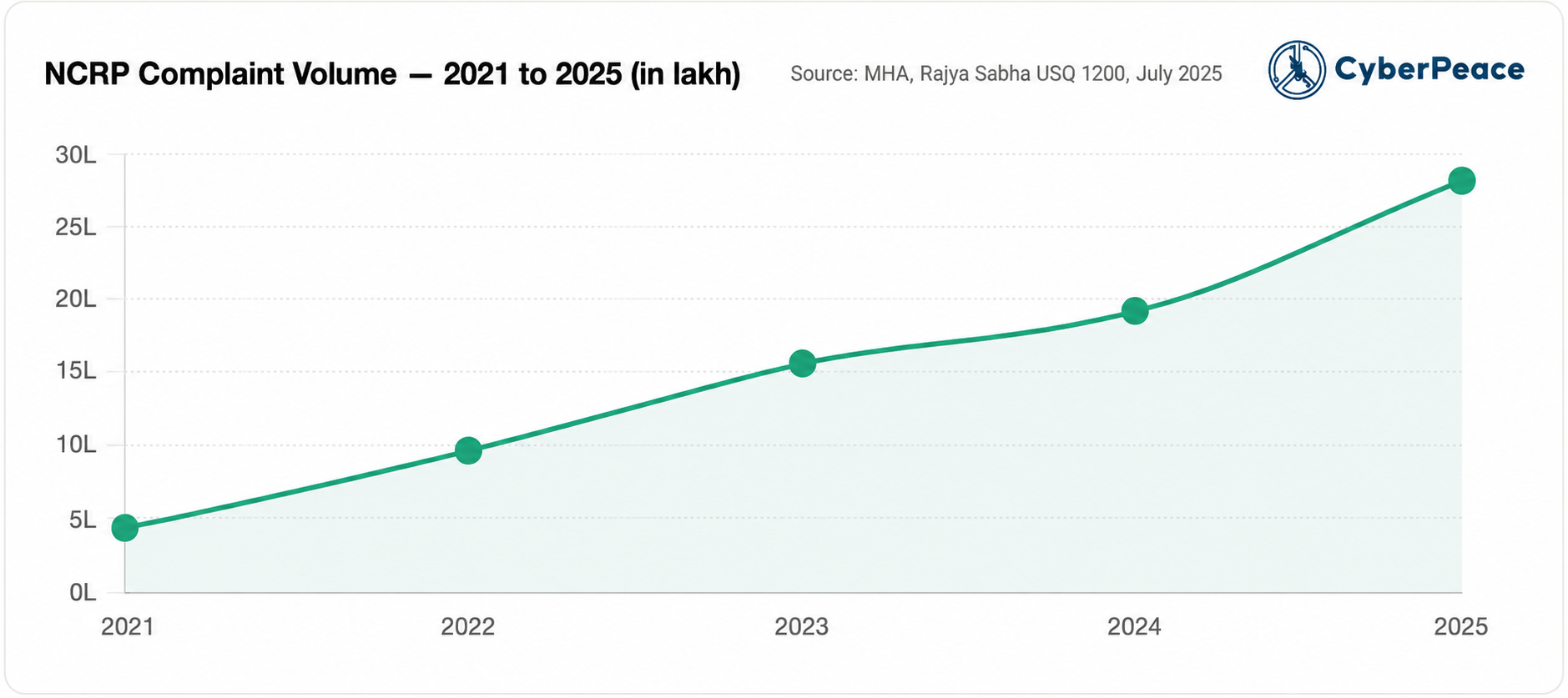
Clearly, cyber-enabled crime is no longer an occasional crisis but a systemic governance issue requiring consistent regulation and institution-building.
The financial fallout has also accelerated dramatically. Figures indicate that reported financial losses due to cybercrime jumped from 2,290 crore in 2022 to 22,812 crore in 2024 a 895% leap in two years:
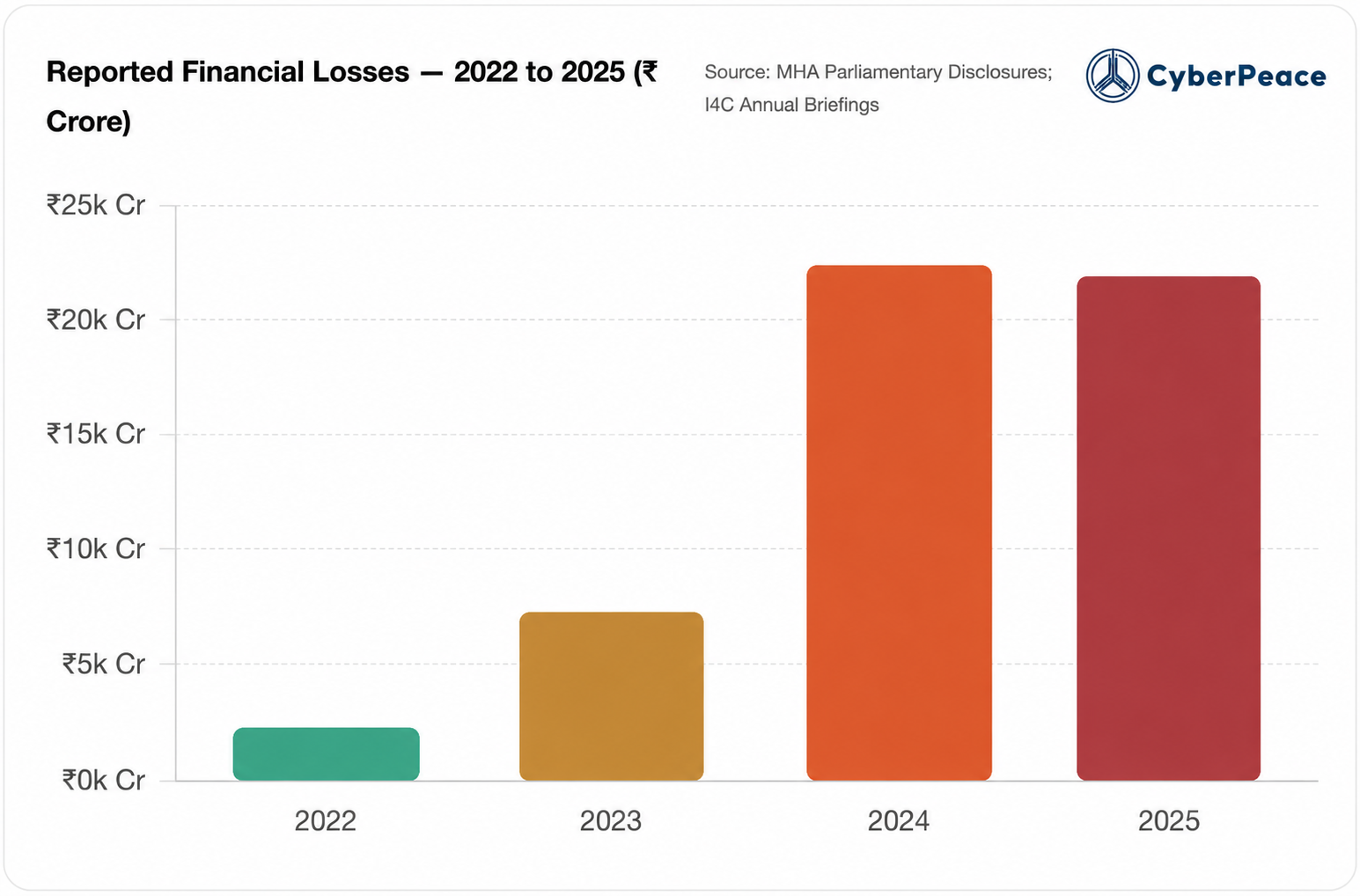
Though response mechanisms such as the Citizen Financial Cyber Fraud Reporting and Management System (CFCFRMS) successfully blocked or recovered close to 8,690 crore as of January 2026, victims appear to get back only about 2.18 percent of the losses they report.
In most areas, reporting and response have expanded greatly, but both the rate and scale of cyber-enabled financial fraud continue to outstrip India's remediation and law enforcement capacity.
Threat Typology of India’s Fraud Ecosystem
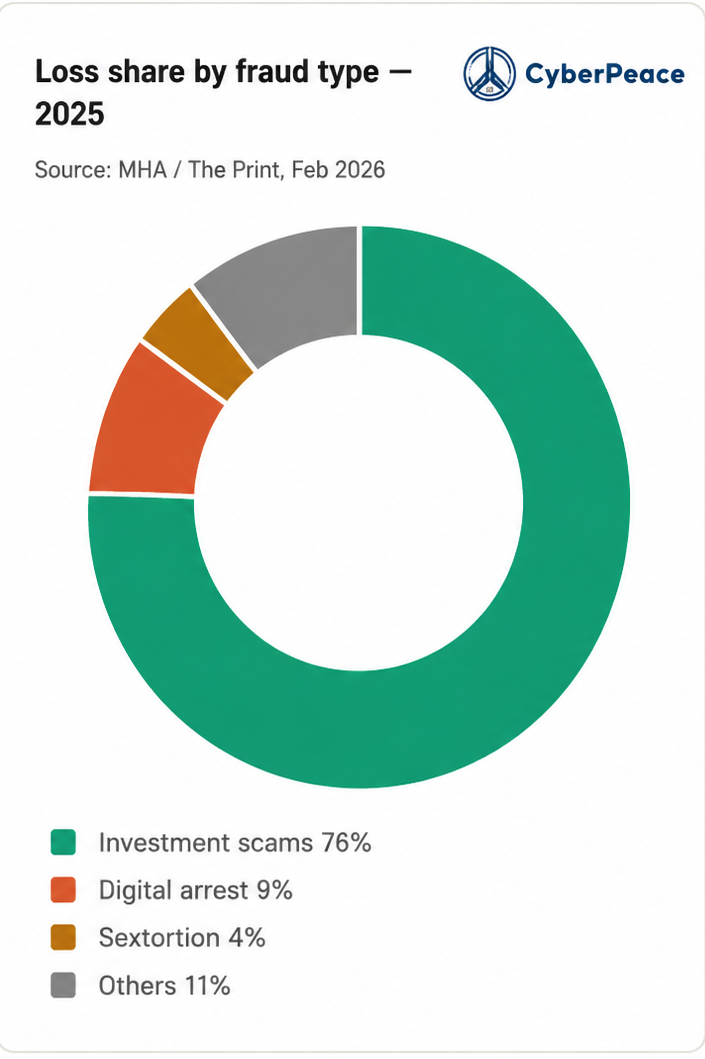
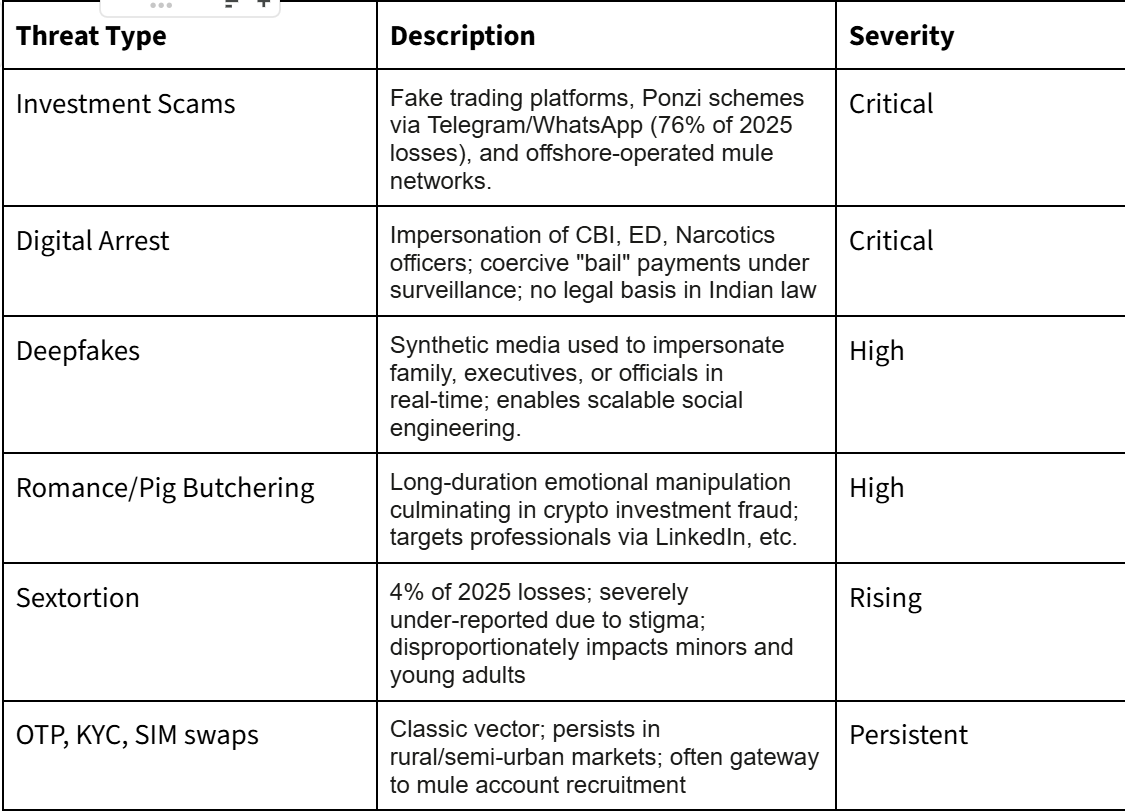
The nature of cyber crime in India has evolved from an opportunistic volume-based activity to a layered transnational criminal environment. I4C intelligence as tabled in Parliament reveals investment scams as the biggest threat: they accounted for 76% of the financial fraud lost in 2025 (although only 35% of complaints were filed, thus, a very high value per case was lost).
Digital arrest frauds, which tap on citizens' unawareness that "digital arrest" is not permissible under Indian law, rose from 39,925 cases (91 crore) in 2022 to 123,672 cases (1,935crore) in 2024.
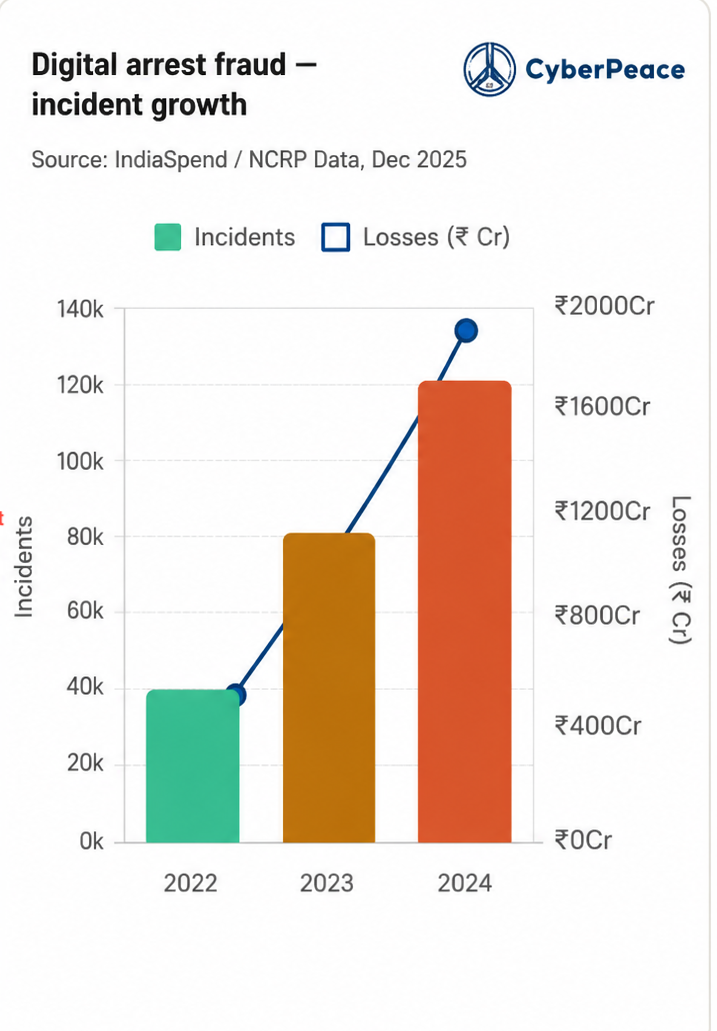
The fast rise in the number of incidents as well as in the volume of fraud clearly points out that digital arrest fraud has moved away from the phase of novel scam typology to a formidable cyber-extortion landscape. The main orchestrators of investment, trading, dating, and digital arrest scams targeting Indian citizens were recently identified by the I4C CEO Rajesh Kumar as transnational criminal scam networks in Cambodia, Myanmar, and Laos. Hence, this issue does not only fall within the domain of domestic law enforcement but constitutes a transnational cybercrime requiring parallel financial intelligence, diplomatic initiative, platform responsibility, and international investigative collaboration.
Geographic Concentration
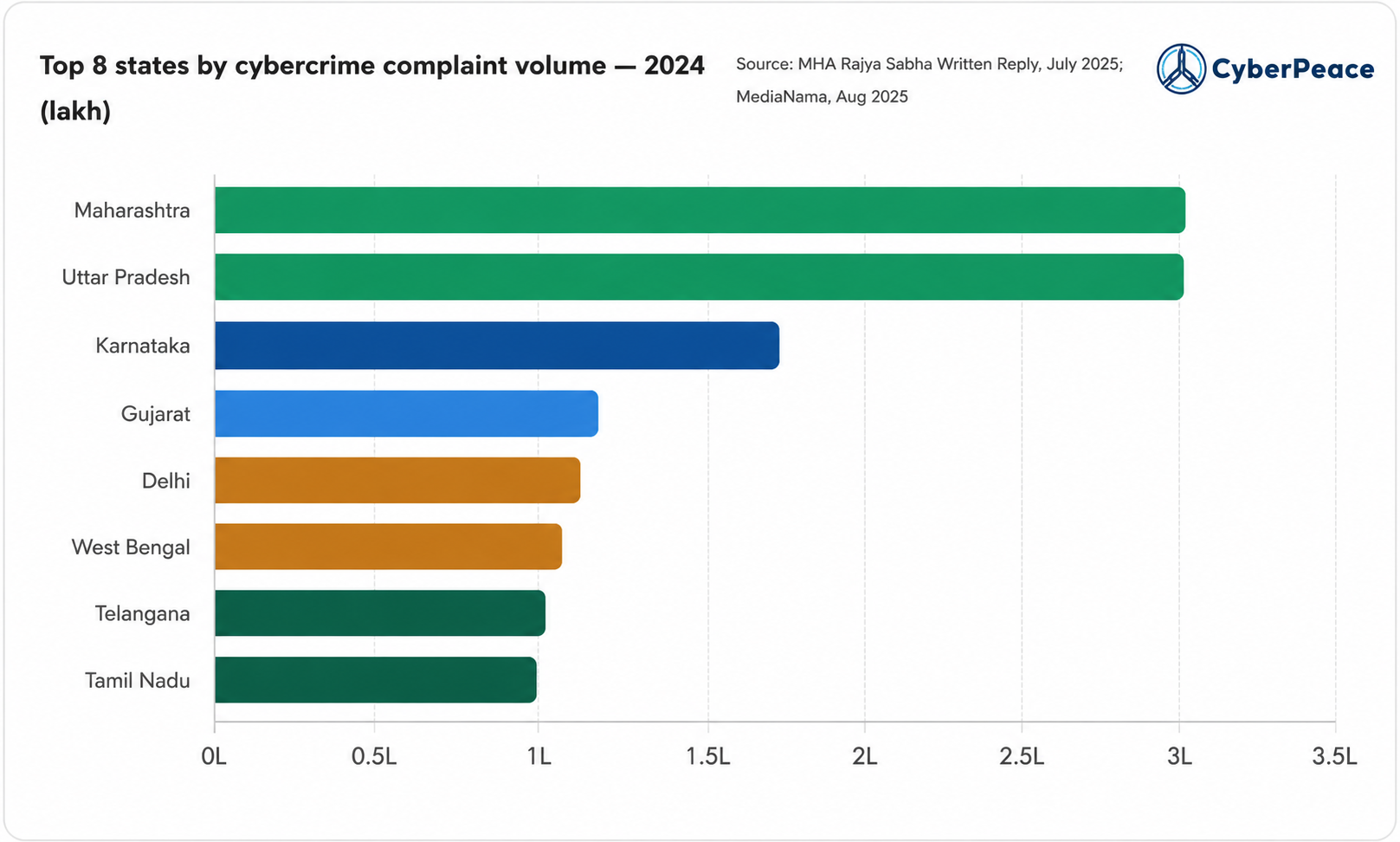
Maharashtra and UP register the highest volumes in total complaints at 3.03 lakh and 3.01 lakh, owing to them being the financial capital and most populous state, respectively. Karnataka, Gujarat, Delhi, WB, Telangana, TN, Rajasthan, and Haryana register above 1 lakh complaints each. However, the critical information that is being missed is that while complaint rate growth is the fastest in Tier 2 and 3 geographies (Haryana leads per-capita complaint rate with 381/100k people in 2023; Telangana (261); Uttarakhand (243)), this signifies rural digital growth as a risk multiplier.
Institutional Architecture: Mechanisms and Performances
India's institutional response to cybercrime, led by the Ministry of Home Affairs' Indian Cyber Crime Coordination Centre (I4C), is one of the world's largest real-time fraud detection and prevention ecosystems. The backbone of this is the Citizen Financial Cyber Fraud Reporting and Management System (CFCFRMS), which has onboarded over 700 banks, payment service providers, e-commerce portals, digital wallets, and, since the Standard Operating Procedure was issued on 2nd January 2026, virtual asset service providers and crypto exchanges. This interconnected network allows for prompt freezing of funds and timely fraud intervention during the 'golden hour' of a cybercrime report.
Institutional capacity is robust, with approximately 8,690 crore saved via the CFCFRMS since its inception for over 24.65 lakh complaints. The national cybercrime helpline (1930) receives close to 10,000 calls daily, while the Suspect Registry has enabled the rejection of 9,519 crore via the detection of 23.05 lakh suspect entities and 27.37 lakh mule accounts. In parallel, the CyTrain platform has expanded training by registering 151,081 police and judicial officers and issuing 142,025 certificates. Cyberforensic labs in all 33 States and Union Territories have received central assistance totalling 132.93 crore, and data-driven interstate crime analytics and offender linkages through the Samanvaya and Pratibimb platforms have led to 21,857 arrests.
Ecosystem Gaps
Through I4C, CFCFRMS, CyTrain, and the establishment of forensic infrastructure in states, India’s cybercrime ecosystem has greatly grown. But due to the rapid proliferation of cybercrime, systemic shortcomings are revealed regarding the restoration of victims, investigation, forensic capacity, cross-border enforcement, awareness, and stakeholder coordination:
- Victim Restitution Deficit: Although the total of ₹ 8,690 crore frozen has increased, the refund for victim compensation is limited to only ₹ 167 crore (2.18%) due to lengthy restoration processes relying on court orders.
- Forensic Capacity Limitations: 2 national, state-level, unevenly equipped cyber forensic labs can’t match the needs of over 10 million cybercrime complaints per year.
- Low conviction rate: The investigations of cybercrimes suffer from evidence collection and criminal proceedings, leading to limited conviction rates.
- Cross-border enforcement challenges: Many of the investment and digital arrest scams, in fact, are originating from Cambodia, Myanmar, and Laos, rendering the cybercrime response mechanisms of India helpless.
- Lack of Awareness: First-time digital users are quite prone to online scams and fraud, and many of the victims continue not reporting due to social stigma and lack of confidence.
- Partial Stakeholder Integration: Banks and small financial institutions, small companies, and emerging virtual asset providers not yet on board allow the money to slip through without being tracked.
CyberPeace Insights: Strategic Way Forward
India has already built a relatively mature response structure for cybercrime with I4C, CFCFRMS, and CyTrain and is coordinating the financial sector on it. The way ahead lies in outcome-oriented improvements and not just in the ability to report and intercept more. Here are the priority interventions that address the most important institutional shortcomings identified in the current ecosystem:
- Fast-track victim restoration: Introduce time-bound victim restoration mechanisms for low-value incidents through simplified processes and mandate national-level roll-out of successful Lok Adalat-based settlement mechanisms.
- District-level cyber forensics: Establish cyber forensic support units at the district level and enhance access to mobile, cloud, and blockchain forensic capabilities.
- AI-powered fraud prevention: Mandate deep-fake and voice-clone detection mechanisms across all financial institutions and telecom networks; embed predictive risk analytics into transaction screening frameworks.
- Cyber Suraksha Gram initiative: Increase digital fraud awareness across all common service centres, Jan Dhan enrollment schemes, and rural banking channels, and tackle the awareness asymmetry.
- Regional cybercrime coordination: Establish real-time, operational intelligence-sharing mechanisms with Southeast Asian economies, which have become home to large scam networks preying on Indian citizens.
- Specialised cyber prosecution ecosystem: Develop exclusive cyber courts, standardise digital evidence procedures, and broaden the scope of CyTrain to include the development of specialised cadres of investigators and prosecutors capable of handling increasingly complex cybercrime cases.
Conclusion
The 22,812 crore lost due to cybercrime in 2024 was more than a mere figure; it signifies a serious concern regarding citizen trust, economic security, and digital inclusion. Though India's institutional response to cybercrime is one of the largest, with an operational I4C and a CFCFRMS functioning in real time, the victim compensation and prosecution mechanism falls short. It's time for implementation: faster recovery of resources, increased enforcement, a larger scale of awareness, and finally, translating the institutional innovations into concrete justice for victims nationwide.
References
- https://sansad.in/getFile/annex/270/AU1341_tmaxdx.pdf?source=pqars
- https://www.mha.gov.in/MHA1/Par2017/pdfs/par2025-pdfs/LS02122025/452.pdf
- https://www.pib.gov.in/PressReleasePage.aspx?PRID=2244504®=3&lang=2
- https://static.pib.gov.in/WriteReadData/specificdocs/documents/2025/oct/doc2025107659501.pdf
- https://www.medianama.com/2025/08/223-india-cybercrime-500-percent-increase-2021-2024/
- https://theprint.in/india/cybercrime-saw-24-spike-in-2025-indians-lost-rs-22495-crore-mainly-in-investment-scams/2859930/

Related Blogs

Executive Summary
Amid reports that AIIMS Delhi has initiated the process to implement the Supreme Court’s decision allowing passive euthanasia for Harish Rana, a video is being shared on social media claiming to show his emotional farewell. However, research by the CyberPeace found the viral claim to be misleading. Our research revealed that the video has no connection to the Harish Rana case. In reality, the footage is from Surat, Gujarat, where the family of a 45-year-old brain-dead woman donated her organs.
Claim:
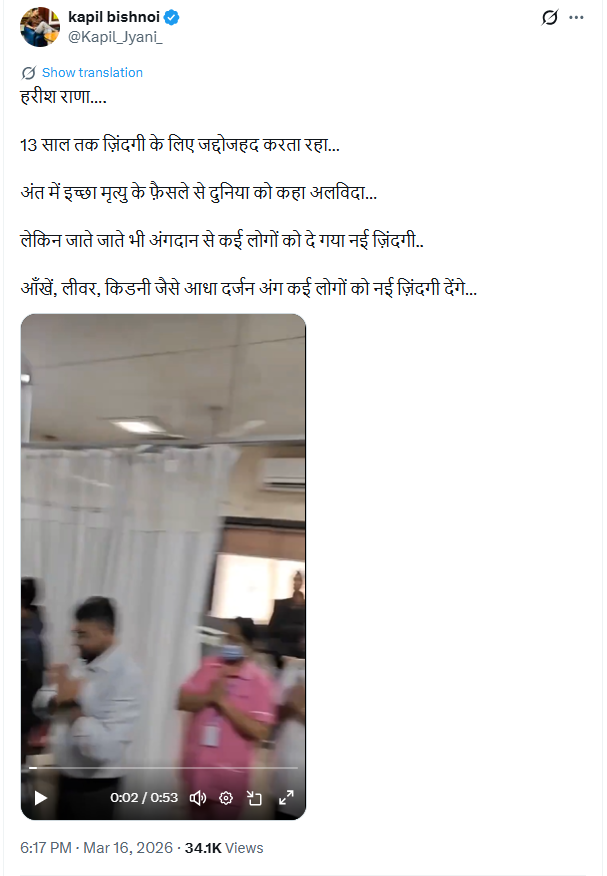
On social media platform X (formerly Twitter), a user shared the viral video on March 16, 2026, with the caption:
“Harish Rana… struggled for life for 13 years… in the end said goodbye to the world through euthanasia… but even while leaving, gave new life to many through organ donation… eyes, liver, kidneys and several other organs will give a new life to many…”
Post link and archive link are given below:
Fact Check
We took screenshots from the viral video and conducted a reverse image search. This led us to an Instagram handle where the same video was uploaded on January 27, 2026.
- https://www.instagram.com/reels/DUAt_42k2ME/

According to the caption on the Instagram post, the video shows a brain-dead woman in Surat whose liver, both kidneys, and eyes were donated. The post also included an image of the woman. Based on clues from the viral video, we conducted a keyword search on Google and found a report on the website of News18 Gujarati.

According to the report, organ donation by Ritaben Hareshbhai Korat in Surat gave a new life to five patients. The report also carried her photograph, matching the visuals seen in the viral video.
Conclusion:
Our research found that the viral video has no connection to Harish Rana. It actually shows an incident from Surat, Gujarat, where the family of a 45-year-old brain-dead woman, Ritaben Korat, donated her organs.

Introduction
In today’s time, everything is online, and the world is interconnected. Cases of data breaches and cyberattacks have been a reality for various organisations and industries, In the recent case (of SAS), Scandinavian Airlines experienced a cyberattack that resulted in the exposure of customer details, highlighting the critical importance of preventing customer privacy. The incident is a wake-up call for Airlines and businesses to evaluate their cyber security measures and learn valuable lessons to safeguard customers’ data. In this blog, we will explore the incident and discuss the strategies for protecting customers’ privacy in this age of digitalisation.
Analysing the backdrop
The incident has been a shocker for the aviation industry, SAS Scandinavian Airlines has been a victim of a cyberattack that compromised consumer data. Let’s understand the motive of cyber crooks and the technique they used :
Motive Behind the Attack: Understanding the reasons that may have driven the criminals is critical to comprehending the context of the Scandinavian Airlines cyber assault. Financial gain, geopolitical conflicts, activism, or personal vendettas are common motivators for cybercriminals. Identifying the purpose of the assault can provide insight into the attacker’s aims and the possible impact on both the targeted organisation and its consumers. Understanding the attack vector and strategies used by cyber attackers reveals the amount of complexity and possible weaknesses in an organisation’s cybersecurity defences. Scandinavian Airlines’ cyber assault might have included phishing, spyware, ransomware, or exploiting software weaknesses. Analysing these tactics allows organisations to strengthen their security against similar assaults.
Impact on Victims: The Scandinavian Airlines (SAS) cyber attack victims, including customers and individuals related to the company, have suffered substantial consequences. Data breaches and cyber-attack have serious consequences due to the leak of personal information.
1)Financial Losses and Fraudulent Activities: One of the most immediate and upsetting consequences of a cyber assault is the possibility of financial loss. Exposed personal information, such as credit card numbers, can be used by hackers to carry out illegal activities such as unauthorised transactions and identity theft. Victims may experience financial difficulties and the need to spend time and money resolving these concerns.
2)Concerns about privacy and personal security: A breach of personal data can significantly impact the privacy and personal security of victims. The disclosed information, including names, addresses, and contact information, might be exploited for nefarious reasons, such as targeted phishing or physical harassment. Victims may have increased anxiety about their safety and privacy, which can interrupt their everyday life and create mental pain.
3) Reputational Damage and Trust Issues: The cyber attack may cause reputational harm to persons linked with Scandinavian Airlines, such as workers or partners. The breach may diminish consumers’ and stakeholders’ faith in the organisation, leading to a bad view of its capacity to protect personal information. This lack of trust might have long-term consequences for the impacted people’s professional and personal relationships.
4) Emotional Stress and Psychological Impact: The psychological impact of a cyber assault can be severe. Fear, worry, and a sense of violation induced by having personal information exposed can create emotional stress and psychological suffering. Victims may experience emotions of vulnerability, loss of control, and distrust toward digital platforms, potentially harming their overall quality of life.
5) Time and Effort Required for Remediation: Addressing the repercussions of a cyber assault demands significant time and effort from the victims. They may need to call financial institutions, reset passwords, monitor accounts for unusual activity, and use credit monitoring services. Resolving the consequences of a data breach may be a difficult and time-consuming process, adding stress and inconvenience to the victims’ lives.
6) Secondary Impacts: The impacts of an online attack could continue beyond the immediate implications. Future repercussions for victims may include trouble acquiring credit or insurance, difficulties finding future work, and continuous worry about exploiting their personal information. These secondary effects can seriously affect victims’ financial and general well-being.
Apart from this, the trust lost would take time to rebuild.

Takeaways from this attack
The cyber-attack on Scandinavian Airlines (SAS) is a sharp reminder of cybercrime’s ever-present and increasing menace. This event provides crucial insights that businesses and people may use to strengthen cybersecurity defences. In the lessons that were learned from the Scandinavian Airlines cyber assault and examine the steps that may be taken to improve cybersecurity and reduce future risks. Some of the key points that can be considered are as follows:
Proactive Risk Assessment and Vulnerability Management: The cyber assault on Scandinavian Airlines emphasises the significance of regular risk assessments and vulnerability management. Organisations must proactively identify and fix possible system and network vulnerabilities. Regular security audits, penetration testing, and vulnerability assessments can help identify flaws before bad actors exploit them.
Strong security measures and best practices: To guard against cyber attacks, it is necessary to implement effective security measures and follow cybersecurity best practices. Lessons from the Scandinavian Airlines cyber assault emphasise the importance of effective firewalls, up-to-date antivirus software, secure setups, frequent software patching, and strong password rules. Using multi-factor authentication and encryption technologies for sensitive data can also considerably improve security.
Employee Training and Awareness: Human mistake is frequently a big component in cyber assaults. Organisations should prioritise employee training and awareness programs to educate employees about phishing schemes, social engineering methods, and safe internet practices. Employees may become the first line of defence against possible attacks by cultivating a culture of cybersecurity awareness.
Data Protection and Privacy Measures: Protecting consumer data should be a key priority for businesses. Lessons from the Scandinavian Airlines cyber assault emphasise the significance of having effective data protection measures, such as encryption and access limits. Adhering to data privacy standards and maintaining safe data storage and transfer can reduce the risks connected with data breaches.
Collaboration and Information Sharing: The Scandinavian Airlines cyber assault emphasises the need for collaboration and information sharing among the cybersecurity community. Organisations should actively share threat intelligence, cooperate with industry partners, and stay current on developing cyber threats. Sharing information and experiences can help to build the collective defence against cybercrime.
Conclusion
The Scandinavian Airlines cyber assault is a reminder that cybersecurity must be a key concern for organisations and people. Organisations may improve their cybersecurity safeguards, proactively discover vulnerabilities, and respond effectively to prospective attacks by learning from this occurrence and adopting the lessons learned. Building a strong cybersecurity culture, frequently upgrading security practices, and encouraging cooperation within the cybersecurity community are all critical steps toward a more robust digital world. We may aim to keep one step ahead of thieves and preserve our important information assets by constantly monitoring and taking proactive actions.

Introduction
Targeting airlines and airports, airline hoax threats are fabricated alarms which intend to disrupt normal day-to-day activities and create panic among the public. Security of public settings is of utmost importance, making them a vulnerable target. The consequences of such threats include the financial loss incurred by parties concerned, increased security protocols to be followed immediately after and in preparation, flight delays and diversions, emergency landings and passenger inconvenience and emotional distress. The motivation behind such threats is malicious intent of varying degrees, breaching national security, integrity and safety. However, apart from the government, airline and social media authorities which already have certain measures in place to tackle such issues, the public, through responsible consumption and verified sharing has an equal role in preventing the spread of misinformation and panic regarding the same.
Hoax Airline Threats
The recent spate of bomb hoax threats to Indian airlines has witnessed false reports about threats to (over) 500 flights since 14/10/2024, the majority being traced to posts on social media handles which are either anonymous or unverified. Some recent incidents include a hoax threat on Air India's flights from Delhi to Mumbai via Indore which was posted on X, 30/10/2024 and a flight from Nepal (Kathmandu) to Delhi on November 2nd, 2024.
As per reports by the Indian Express, steps are being taken to address such incidents by tweaking the assessment criteria for threats (regarding bombs) and authorities such as the Bomb Threat Assessment Committees (BTAC) are being selective in categorising them as specific and non-specific. Some other consideration factors include whether a VIP is onboard and whether the threat has been posted from an anonymous account with a similar history.
CyberPeace Recommendations
- For Public
- Question sensational information: The public should scrutinise the information they’re consuming not only to keep themselves safe but also to be responsible to other citizens. Exercise caution before sharing alarming messages, posts and pieces of information
- Recognising credible sources: Rely only on trustworthy, verified sources when sharing information, especially when it comes to topics as serious as airline safety.
- Avoiding Reactionary Sharing: Sharing in a state of panic can contribute to the chaos created upon receiving unverified news, hence, it is suggested to refrain from reactionary sharing.
- For the Authorities & Agencies
- After a series of hoax bomb threats, the Government of India has issued an advisory to social media platforms calling for them to make efforts for the removal of such malicious content. Adherence to obligations such as the prompt removal of harmful content or disabling access to such unlawful information has been specified under the IT Rules, 2021. They are also obligated under the Bhartiya Nagarik Suraksha Sanhita 2023 to report certain offences on their platform. The Ministry of Civil Aviation’s action plan consists of plans regarding hoax bomb threats being labelled as a cognisable offence, and attracting a no-flyers list as a penalty, among other things.
These plans also include steps such as :
- Introduction of other corrective measures that are to be taken against bad actors (similar to having a non-flyers list).
- Introduction of a reporting mechanism which is specific to such threats.
- Focus on promoting awareness, digital literacy and critical thinking, fact-checking resources as well as encouraging the public to report such hoaxes
Conclusion
Preventing the spread of airline threat hoaxes is a collective responsibility which involves public engagement and ownership to strengthen safety measures and build upon the trust in the overall safety ecosystem (here; airline agencies, government authorities and the public). As the government and agencies take measures to prevent such instances, the public should continue to share information only from and on verified and trusted portals. It is encouraged that the public must remain vigilant and responsible while consuming and sharing information.
References
- https://indianexpress.com/article/business/flight-bomb-threats-assessment-criteria-serious-9646397/
- https://www.wionews.com/world/indian-airline-flight-bound-for-new-delhi-from-nepal-receives-hoax-bomb-threat-amid-rise-in-similar-incidents-772795
- https://www.newindianexpress.com/nation/2024/Oct/26/centre-cautions-social-media-platforms-to-tackle-misinformation-after-hoax-bomb-threat-to-multiple-airlines
- https://economictimes.indiatimes.com/industry/transportation/airlines-/-aviation/amid-rising-hoax-bomb-threats-to-indian-airlines-centre-issues-advisory-to-social-media-companies/articleshow/114624187.cms
